Oct 27, 2026
E6011 vs E6013 Welding Rods: Which Should You Choose?
Compare E6011 vs E6013 welding rods for penetration, arc control, thin steel, surface condition and common applications. Find the right electrode for your job.
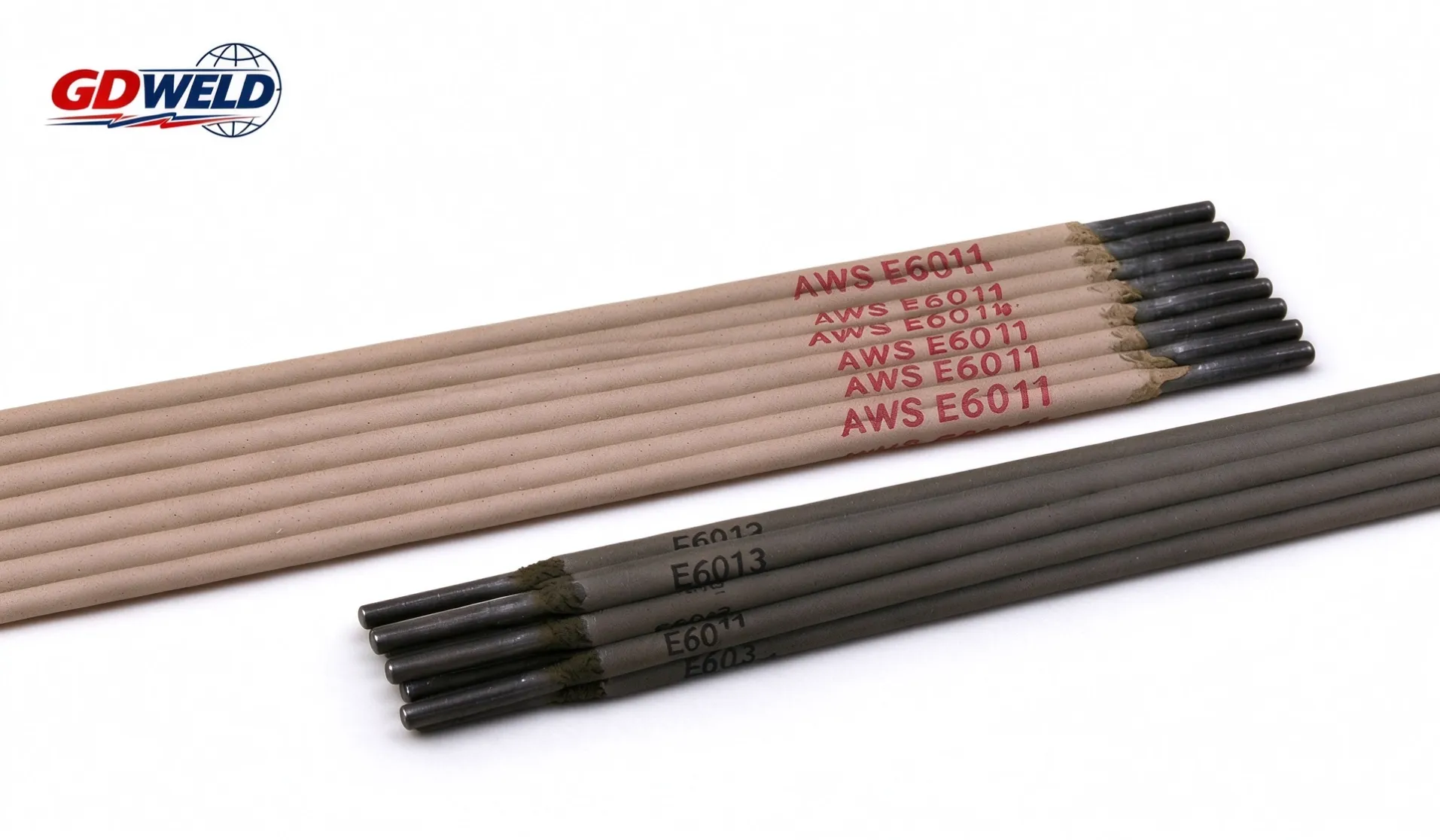
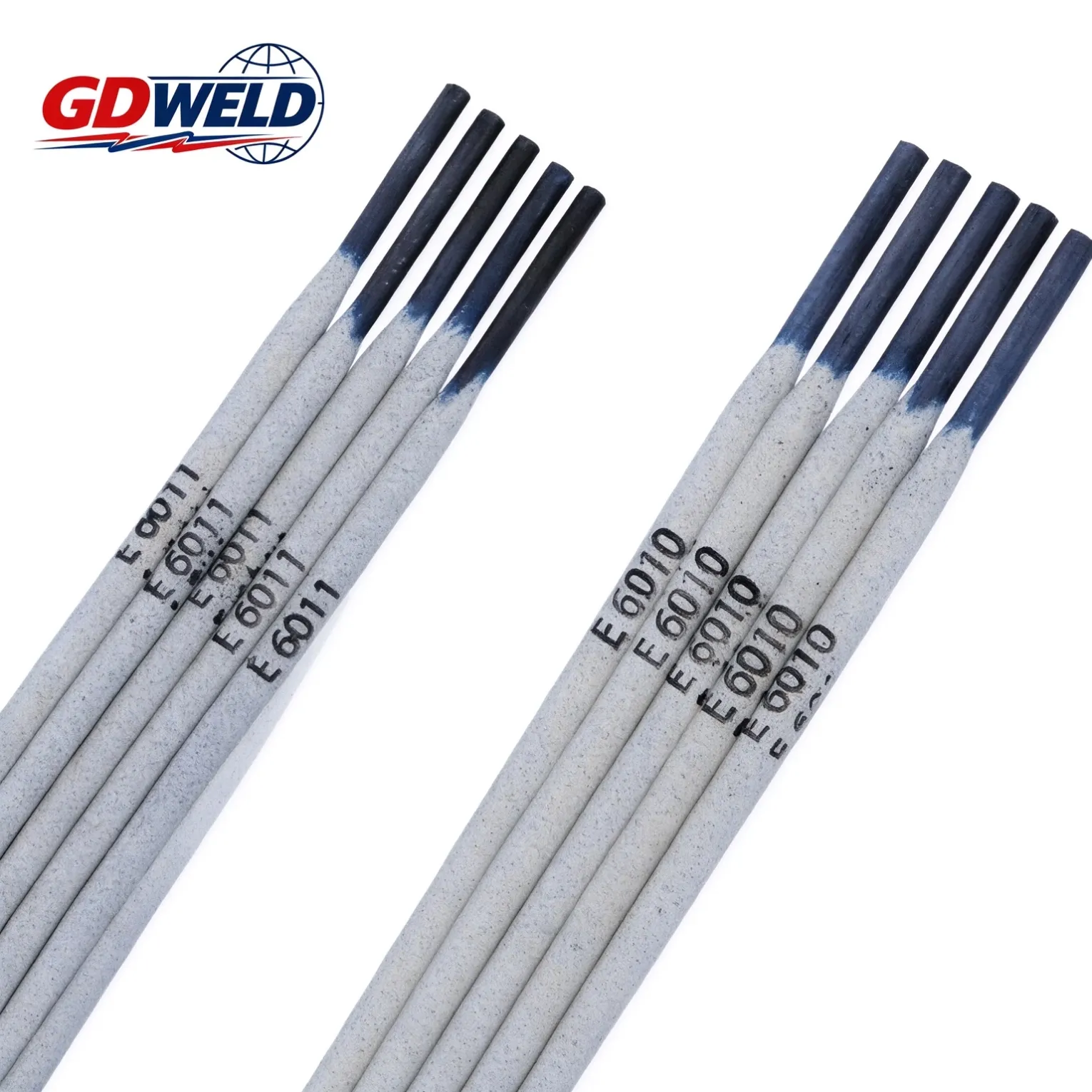
Choosing between E6011 and E6013 welding rods depends on your base metal, joint requirements and working conditions. E6011 is often preferred when a forceful, penetrating arc is needed, while E6013 is popular for light fabrication, thin steel and a smoother-looking weld bead.
Here is how to decide which electrode better suits your application.
E6011 vs E6013: Key Differences
Feature | E6011 | E6013 |
|---|---|---|
Electrode coating | Cellulosic potassium | High-titania potassium (rutile-based) |
Arc characteristics | Forceful arc | Soft, stable arc |
Penetration | Generally deeper | Generally shallower to moderate |
Weld appearance | Depends strongly on technique | Often smooth, with an attractive bead |
Slag removal | Product and technique dependent | Generally easy |
Surface condition | Tolerates some light rust and scale | Best results require a suitably prepared surface |
Power source | AC or DC+, depending on product | AC or specified DC polarities, depending on product |
Common applications | Field repair and compatible pipe work | Thin plate, light fabrication and general repairs |
Actual performance varies with electrode diameter, current settings, base metal and welding technique. Always check the manufacturer's technical data sheet.
When Should You Choose E6011?
Choose E6011 when its penetrating arc and power-source compatibility suit the job.
Typical applications include:
- Field maintenance and carbon steel repair.
- Compatible joints where good penetration is important.
- Welding with an AC machine when the electrode specification permits it.
- Selected pipe-welding applications where E6011 is allowed by the welding procedure.
E6011 can tolerate some light rust and mill scale, but oil, grease, moisture and heavy contamination must still be removed.
Best fit: Repair and field-welding jobs that benefit from E6011's arc characteristics and meet the required welding procedure.
When Should You Choose E6013?
Choose E6013 when easy arc control, convenient cleanup and weld appearance are priorities.
Typical applications include:
- Thin carbon steel sheet with a suitable electrode diameter.
- Light steel fabrication and general maintenance.
- Gates, frames, brackets and similar fabricated components.
- Jobs where a smooth bead and easy slag removal are desirable.
E6013 is not automatically suitable for every thin plate or structural joint. Correct current, joint preparation and technique remain essential.
Best fit: Routine fabrication and repair work where E6013 meets the required weld properties.
Can E6011 Replace E6013?
Not always. The two electrodes have different coating systems and arc characteristics.
- If the joint needs E6011's more penetrating arc, E6013 may not provide the required performance.
- If smooth operation and bead appearance are priorities, E6013 may be more convenient than E6011.
- If a drawing, code or approved Welding Procedure Specification (WPS) specifies an electrode classification, do not substitute another classification without the required technical approval.
Choose based on the joint and procedure—not simply on price or ease of use.
Which Welding Rod Is Right for Your Job?
Before ordering, check these four points:
- Base metal and thickness: Confirm the steel grade and material thickness.
- Joint requirements: Consider penetration, joint preparation and required weld properties.
- Power source: Verify AC/DC compatibility and polarity for the specific electrode.
- Welding procedure: Confirm the required AWS classification and permitted substitutions.
For industrial, structural or pressure-related work, follow the applicable code and qualified welding procedure rather than choosing an electrode by general-purpose characteristics alone.
Need help selecting E6011 or E6013? Send GD WELD your base-metal grade, material thickness, welding position and power-source details so we can help confirm the appropriate product specification.