Oct 27, 2026
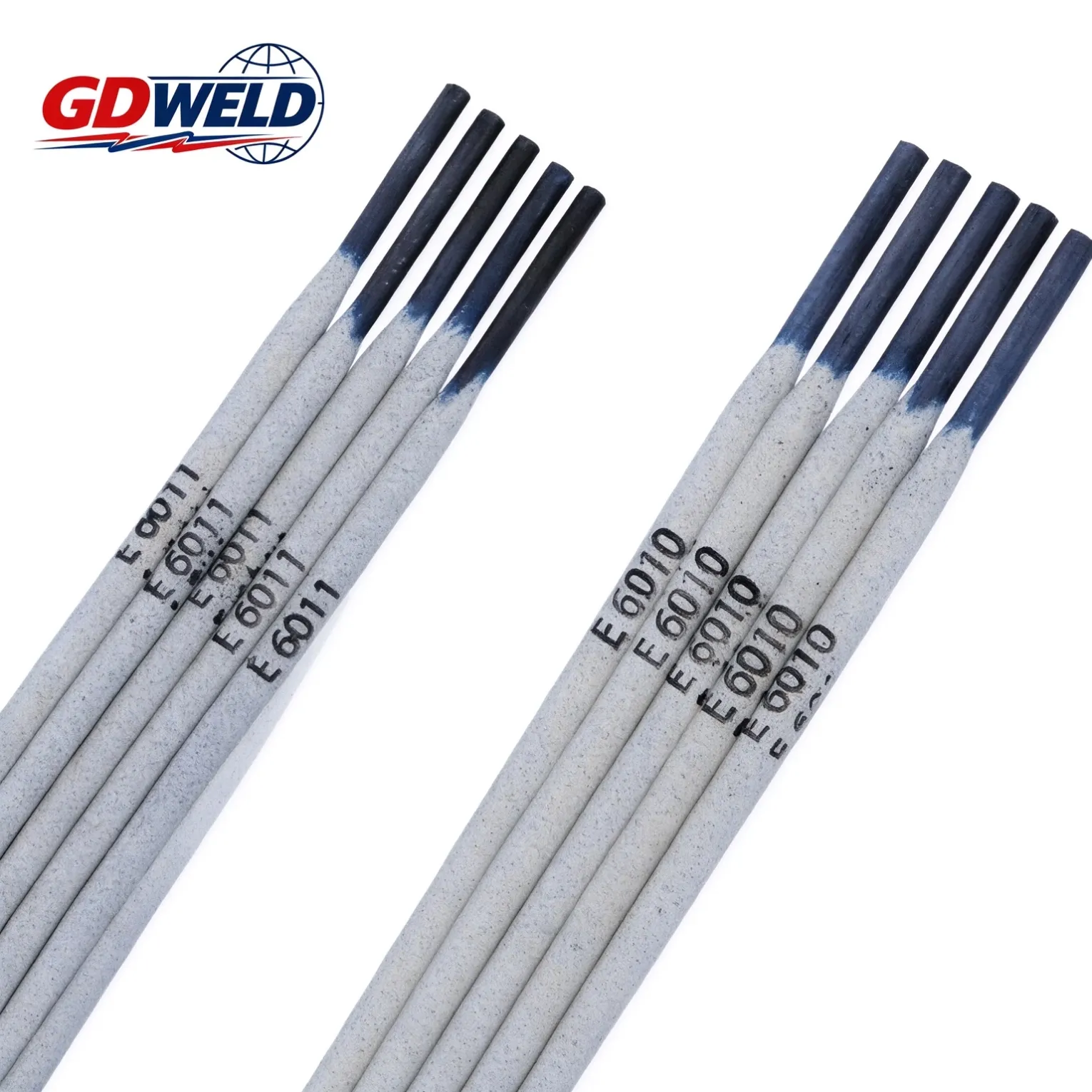
E6011 vs E6010 Welding Electrodes for Pipe Welding: Key Differences
E6011 or E6010 for pipe welding? Compare AC/DC compatibility, root pass applications, and welding procedure requirements before choosing an electrode.
Technical Blog
Practical guides for selecting welding consumables, understanding AWS classifications and solving material-specific welding challenges.
E6011 or E6010 for pipe welding? Compare AC/DC compatibility, root pass applications, and welding procedure requirements before choosing an electrode.
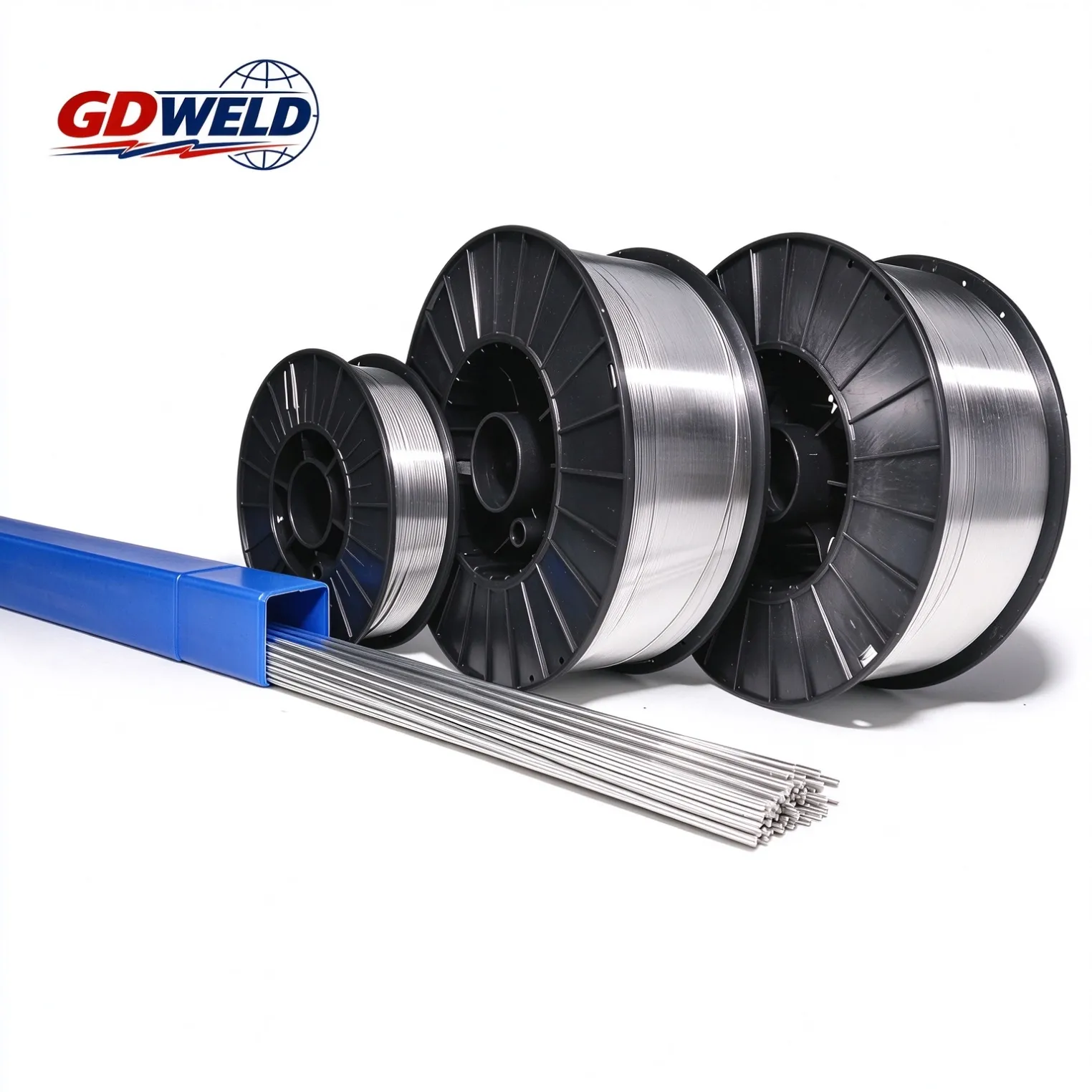
ER1070 or ER1100 aluminum welding wire? Compare aluminum purity, applications and base-metal compatibility to select the right filler.
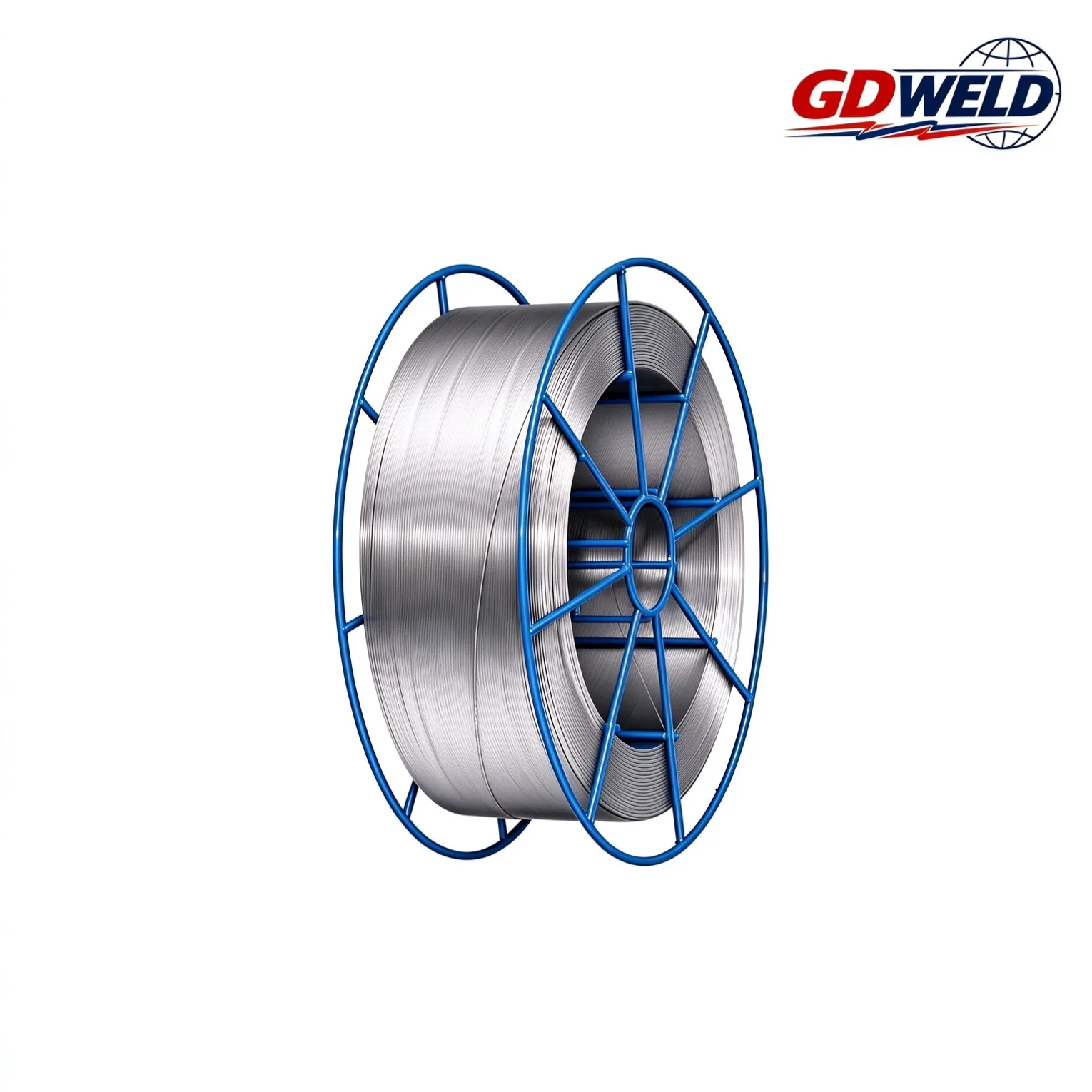
ER410 or ER420 welding wire? Learn the key differences in hardness, applications and heat treatment to select the right martensitic stainless steel filler.
ER309L vs ER308L welding wire: which filler metal suits your base metals? Compare common welding scenarios and key selection factors before ordering.
ER4043 vs ER4047 aluminum welding wire: compare silicon content, weldability, and applications to choose the right filler metal for 6061, 6063, and aluminum casting repair.
Need E2209-16 electrodes for Duplex 2205? Check these five key requirements before ordering to help avoid specification mismatches and procurement delays.
Why does a Duplex 2205 flux-cored weld fail corrosion tests? Learn how to investigate weld chemistry, phase balance, slag inclusions and surface contamination.
What is an E6013 welding electrode used for? Explore common applications, key advantages and limitations before choosing an electrode.
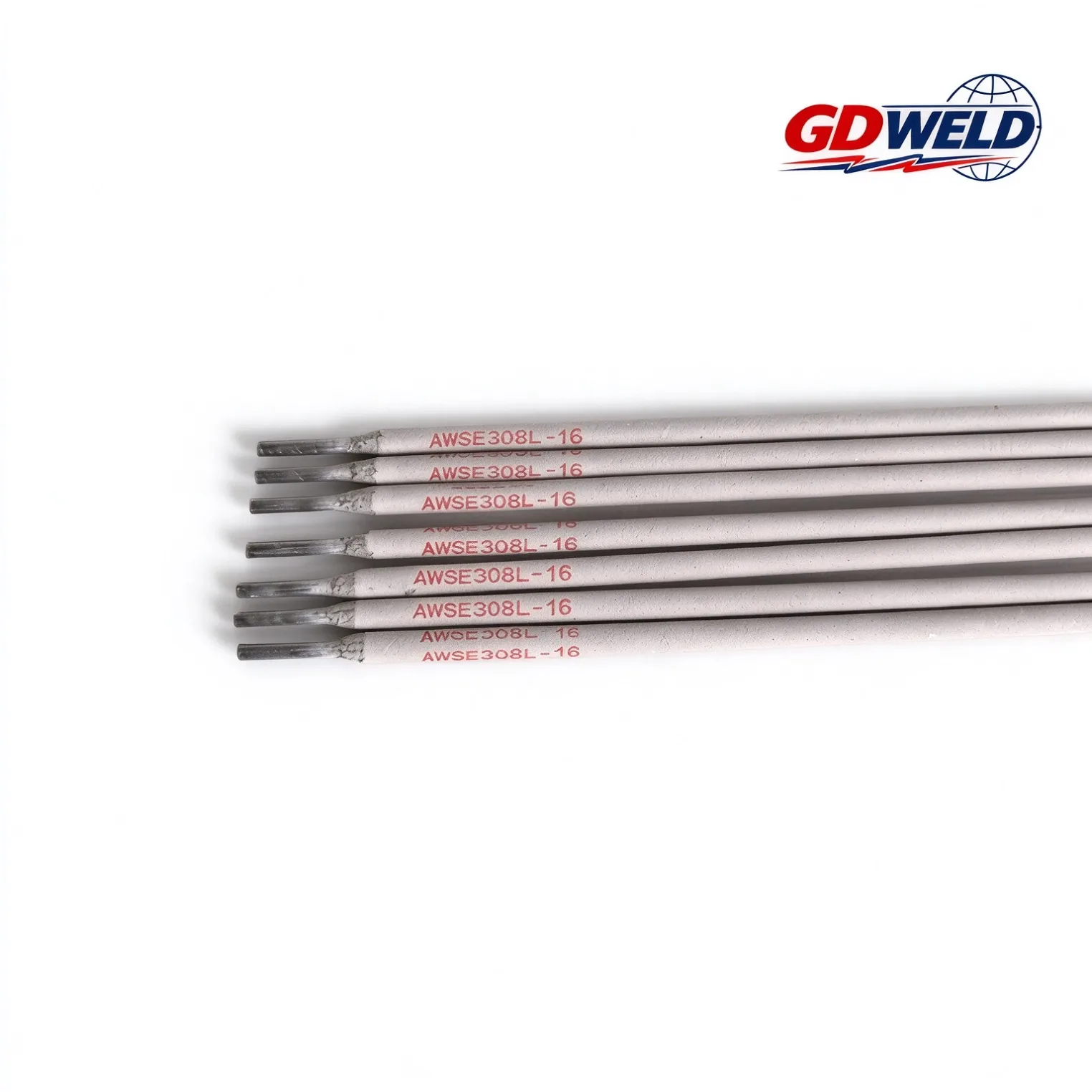
Can E308L weld 304, 304L, 321 or 347 stainless steel? Compare common applications and learn when another electrode may be more suitable.
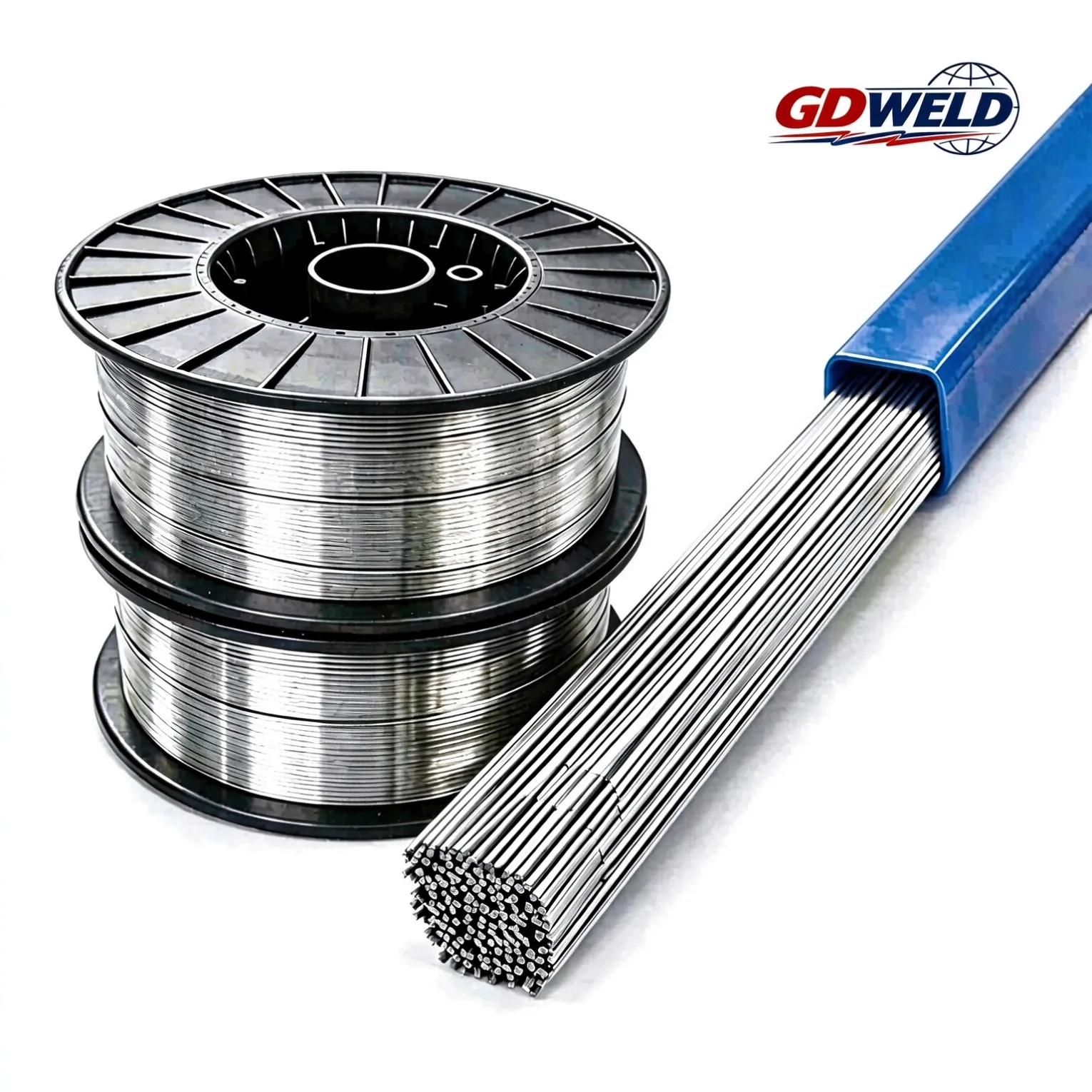
Why does an ER2209 weld show poor pitting resistance? Learn how to check weld chemistry, heat input, phase balance and surface condition.
Recommended products
Popular pieces selected to support the routines, repairs, and ideas featured in our journal.
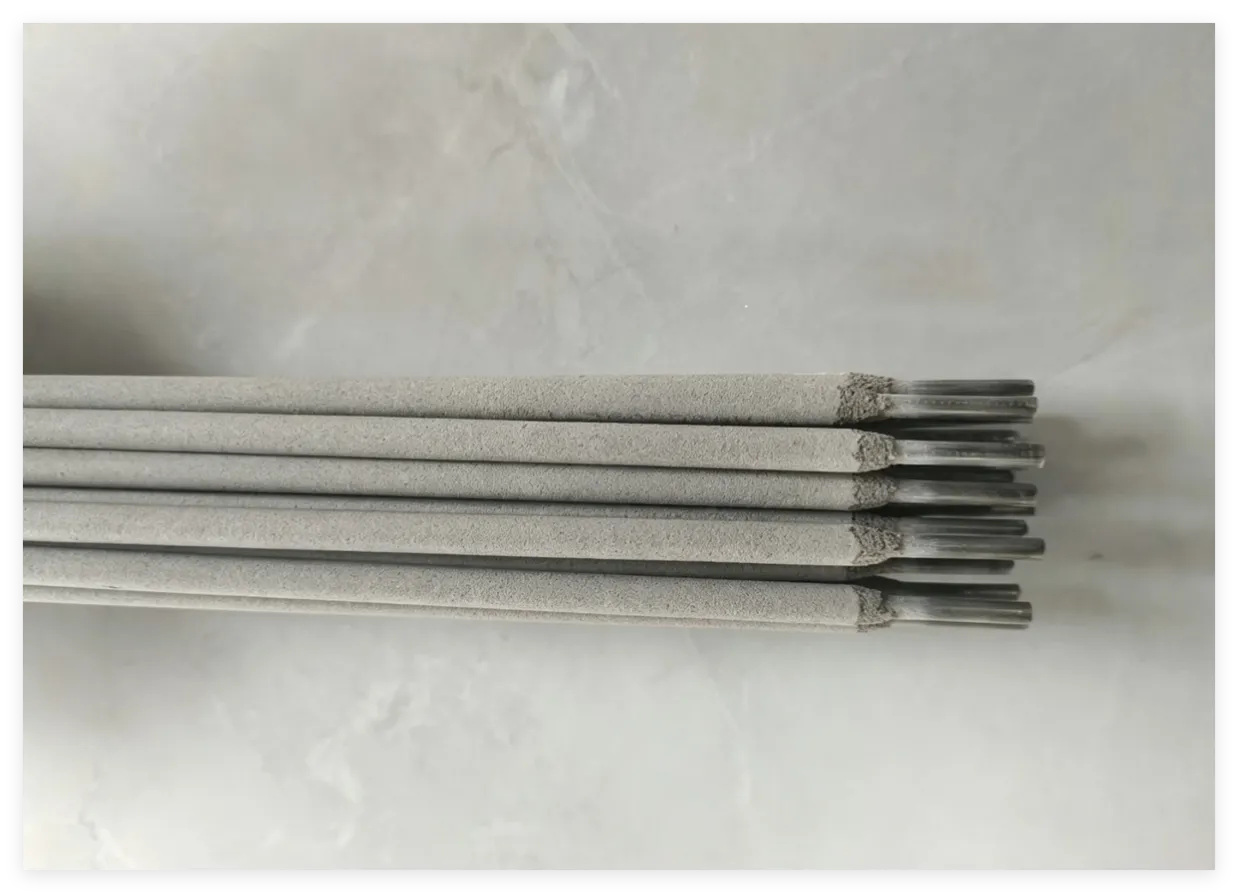
WE600 is a specialty alloy steel welding electrode associated with repair welding and dissimilar-metal applications. It is considered for selected difficult-to-weld steels and industrial components. Confirm the original product identity, technical data sheet (TDS), and compatibility with the base metal before use.
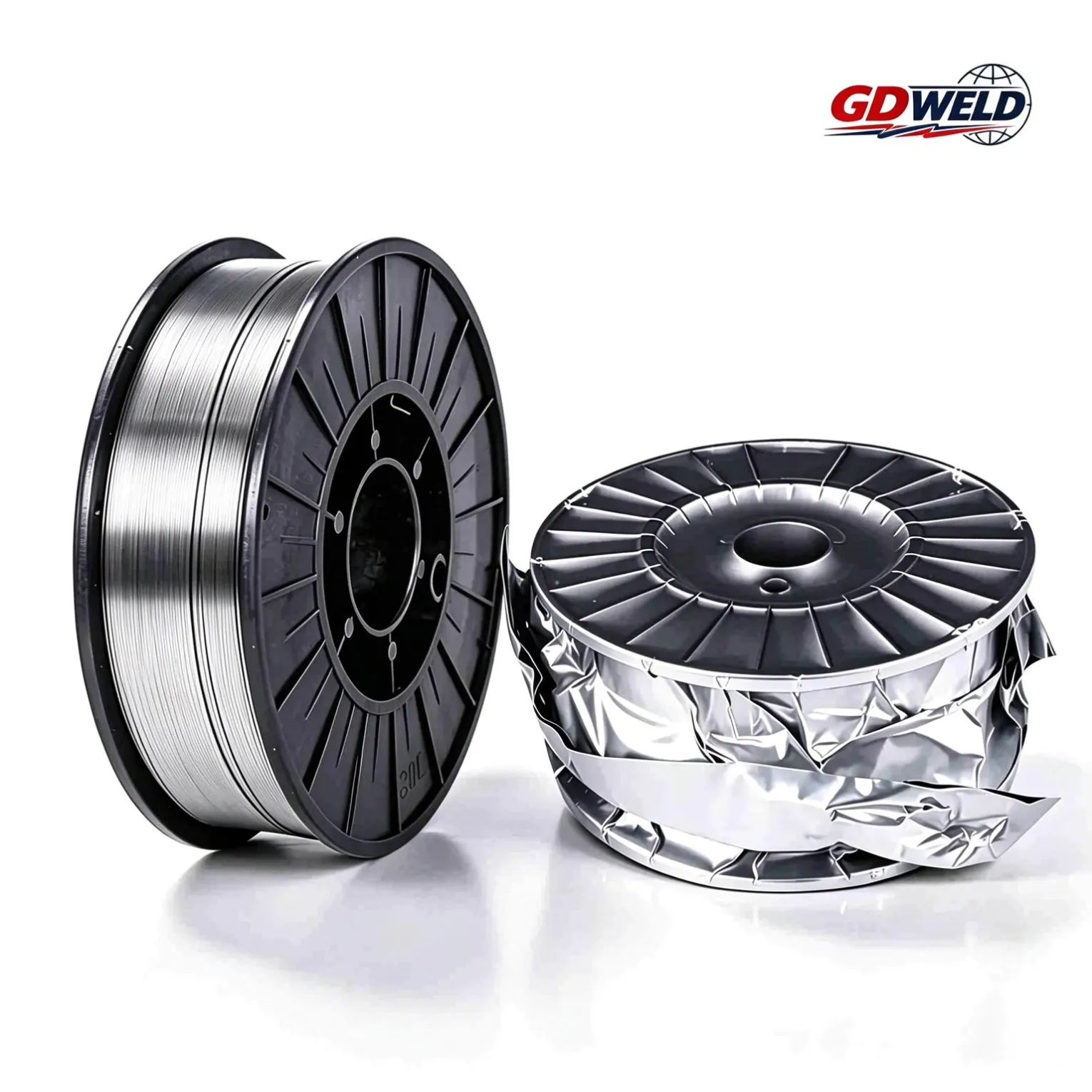
E71T-1M/9M is a gas-shielded flux cored welding wire classified under AWS A5.20 for suitable carbon steel and low-alloy steel applications. Its dual classification meets applicable E71T-1M and E71T-9M requirements, making it a candidate for specification-driven structural steel fabrication and industrial welding.
E307T1-1 stainless steel flux cored welding wire is an AWS A5.22-classified consumable for gas-shielded flux-cored arc welding. Its high-manganese austenitic weld metal is designed for selected difficult-to-weld materials, dissimilar-metal joints and applications requiring good resistance to weld cracking.