Oct 27, 2026
What Amperage Should You Use for E6011 Welding Rods?
What amperage should you use for E6011 welding rods? Learn how electrode diameter, welding position and material thickness affect current settings.
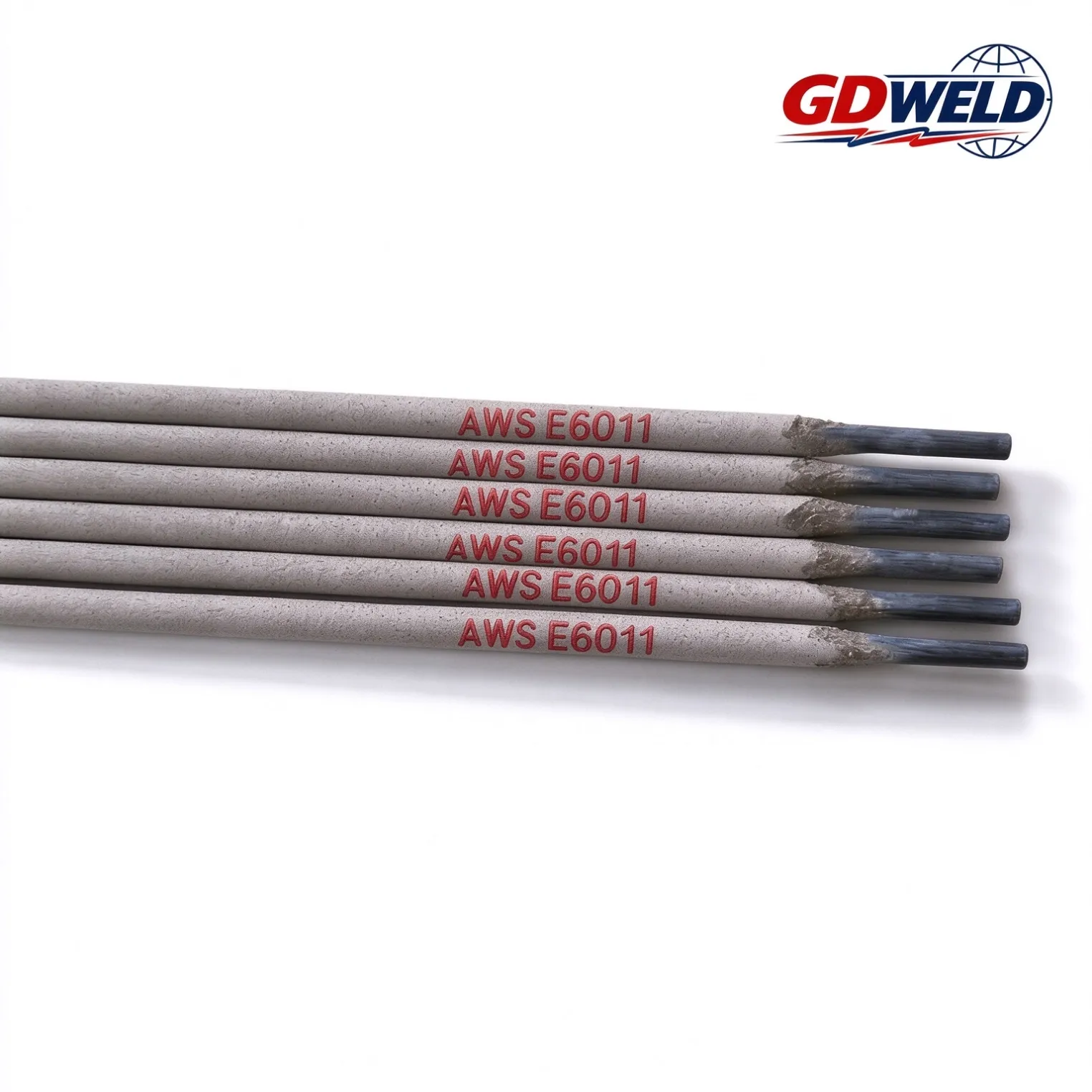
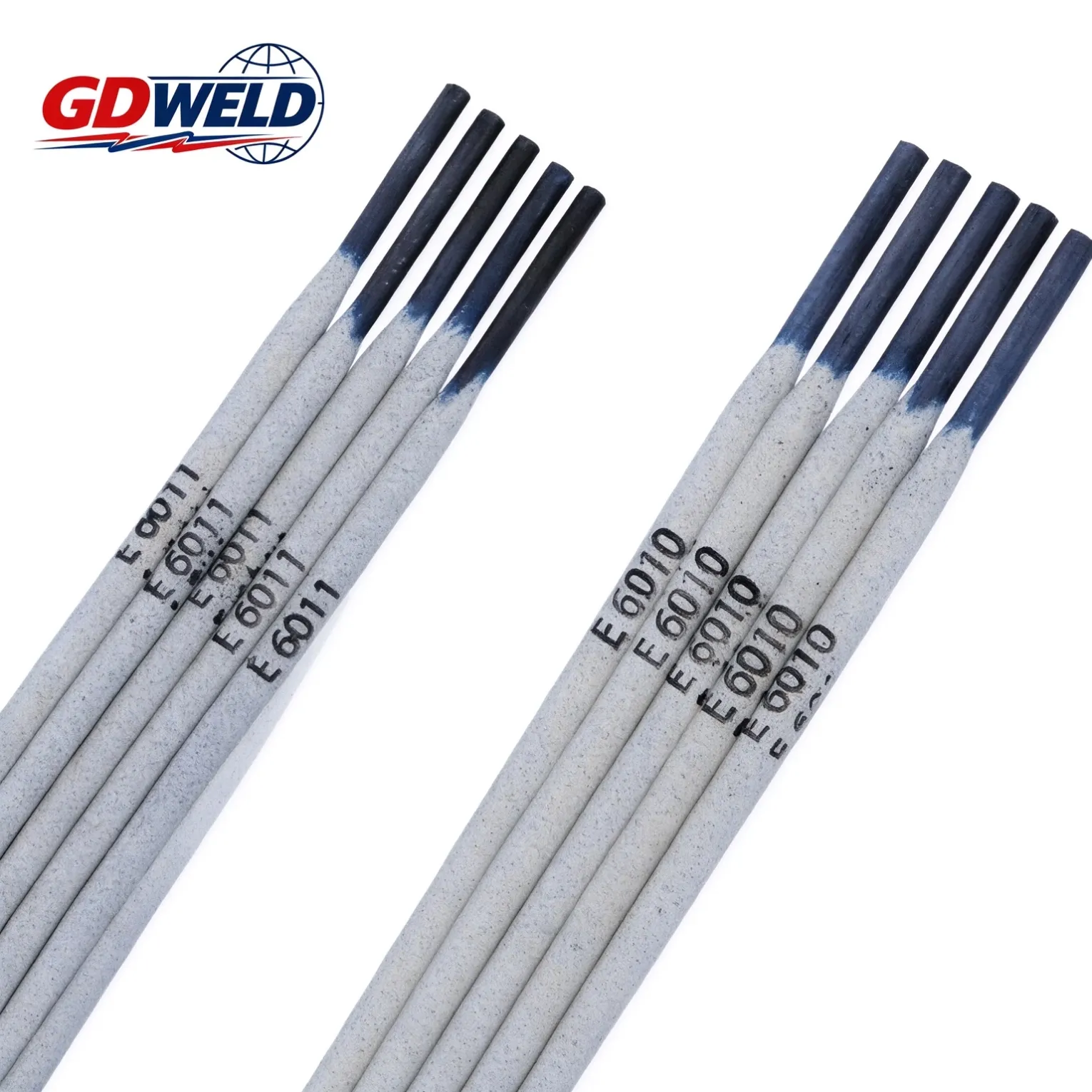
The correct E6011 welding rod amperage depends on electrode diameter, welding position and the manufacturer's recommended settings. Use the chart below as a general starting reference, then confirm the exact range in your electrode technical data sheet (TDS).
E6011 Amperage Chart
Electrode diameter | General reference range |
|---|---|
3/32" (2.4 mm) | 40–80 A |
1/8" (3.2 mm) | 75–125 A |
5/32" (4.0 mm) | 110–170 A |
3/16" (4.8–5.0 mm) | 140–215 A |
Important: These are general reference ranges, not universal settings for every E6011 electrode. Manufacturer recommendations may differ. Check the product TDS before welding, especially for vertical or overhead work.
How Do You Adjust E6011 Amperage?
Welding problem | What to check first |
|---|---|
Electrode keeps sticking | Check current, polarity and work connection |
Arc is difficult to maintain | Check machine settings and arc length |
Excessive spatter | Check whether current is too high and the arc is too long |
Poor fusion | Check current, travel speed and joint preparation |
Undercut at weld edges | Check current, travel speed and electrode angle |
Burn-through on thin metal | Reduce heat input or consider a smaller electrode |
Quick adjustment tips
- If the rod sticks: Check the connections and polarity. If they are correct, increase current slightly within the recommended range.
- If the arc is too aggressive: Reduce current gradually if appropriate, and check arc length.
- If fusion is poor: Check travel speed and joint preparation before simply increasing current.
- If thin metal burns through: Consider a smaller electrode and a lower permitted current.
Change one variable at a time and test on a suitable piece of material before continuing.
Does Welding Position Affect Amperage?
Yes. Flat welding may allow a different setting from vertical or overhead welding. For out-of-position work, start with the manufacturer's guidance for that position and adjust within the permitted range.
Material thickness and joint design also matter. A setting suitable for a thicker plate may produce excessive heat on thin material.
Before Buying E6011 Welding Rods
Confirm these four details:
- Diameter: 2.4 mm, 3.2 mm, 4.0 mm or another required size.
- Power source: AC or DC, with polarity compatible with the electrode specification.
- Application: Pipe welding, structural work, maintenance or general repair.
- Operating range: The manufacturer's recommended amperage for your actual welding conditions.
See our E6011 welding electrode product page for product information. For pipe-welding applications, compare E6011 vs E6010 welding electrodes.
Need E6011 electrodes for your project? Send us your required diameter, base material and application to help confirm the appropriate product specification.