Welding Wire
ER80S-B2
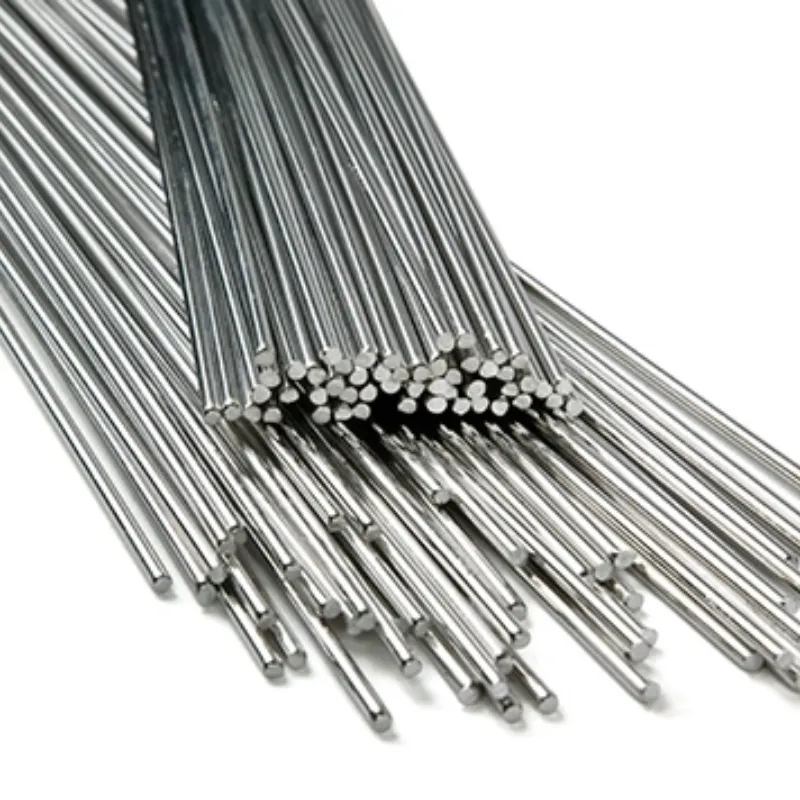
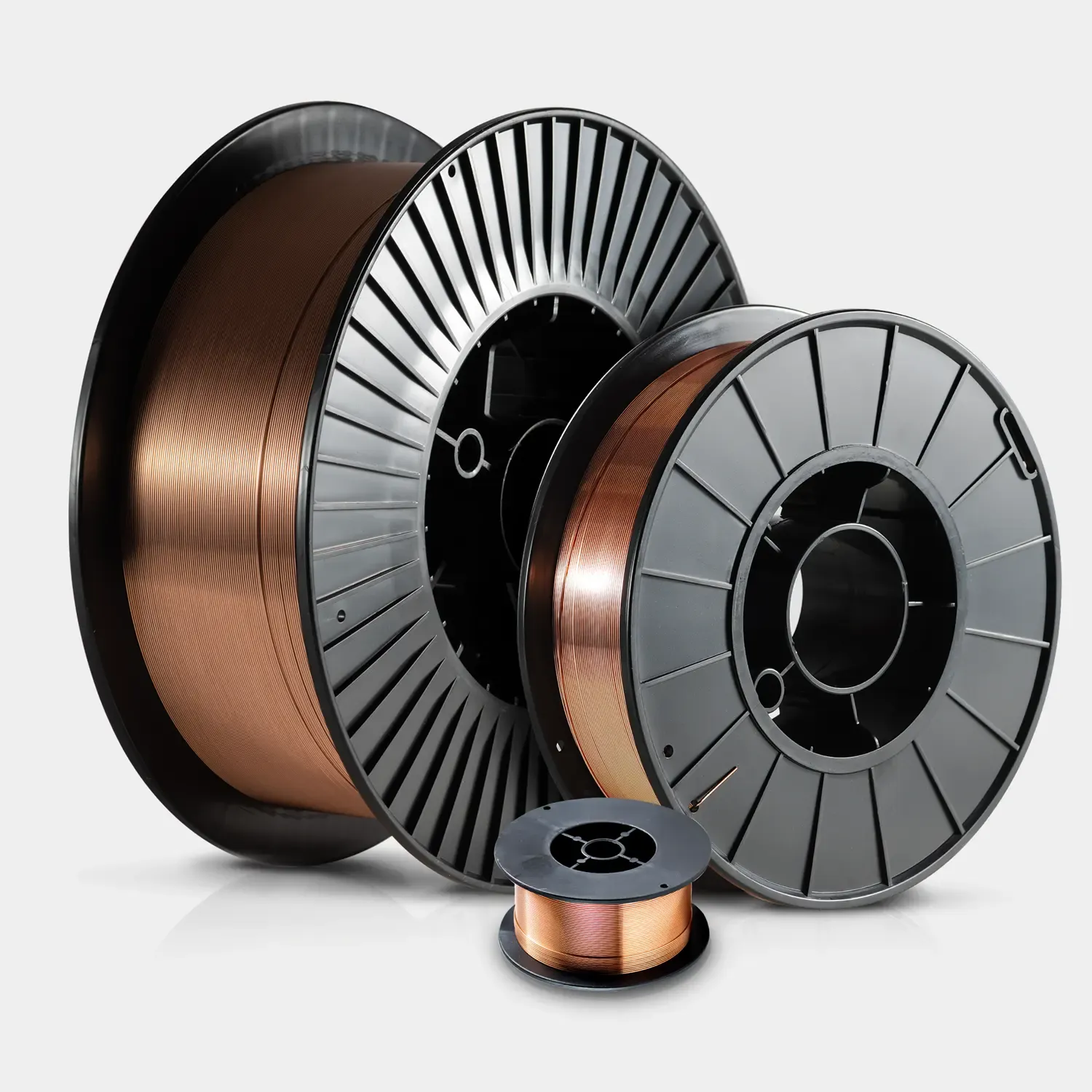
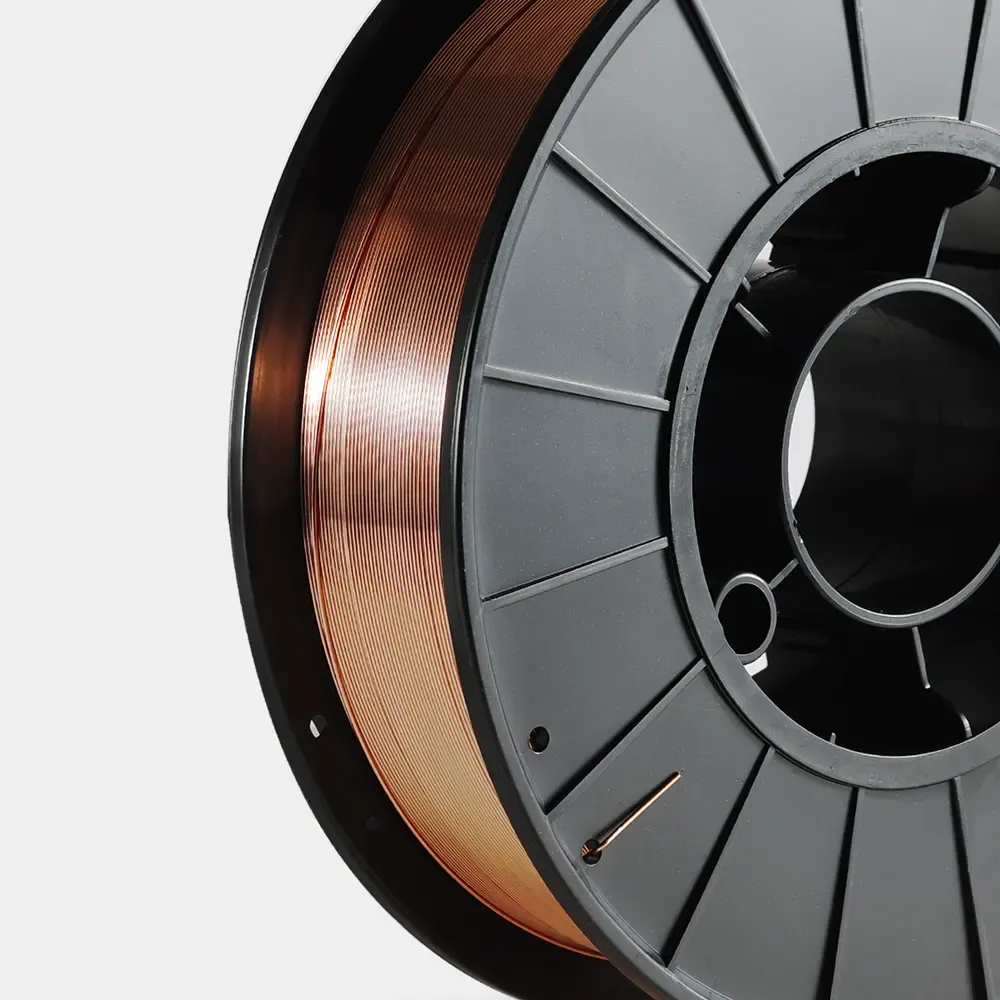
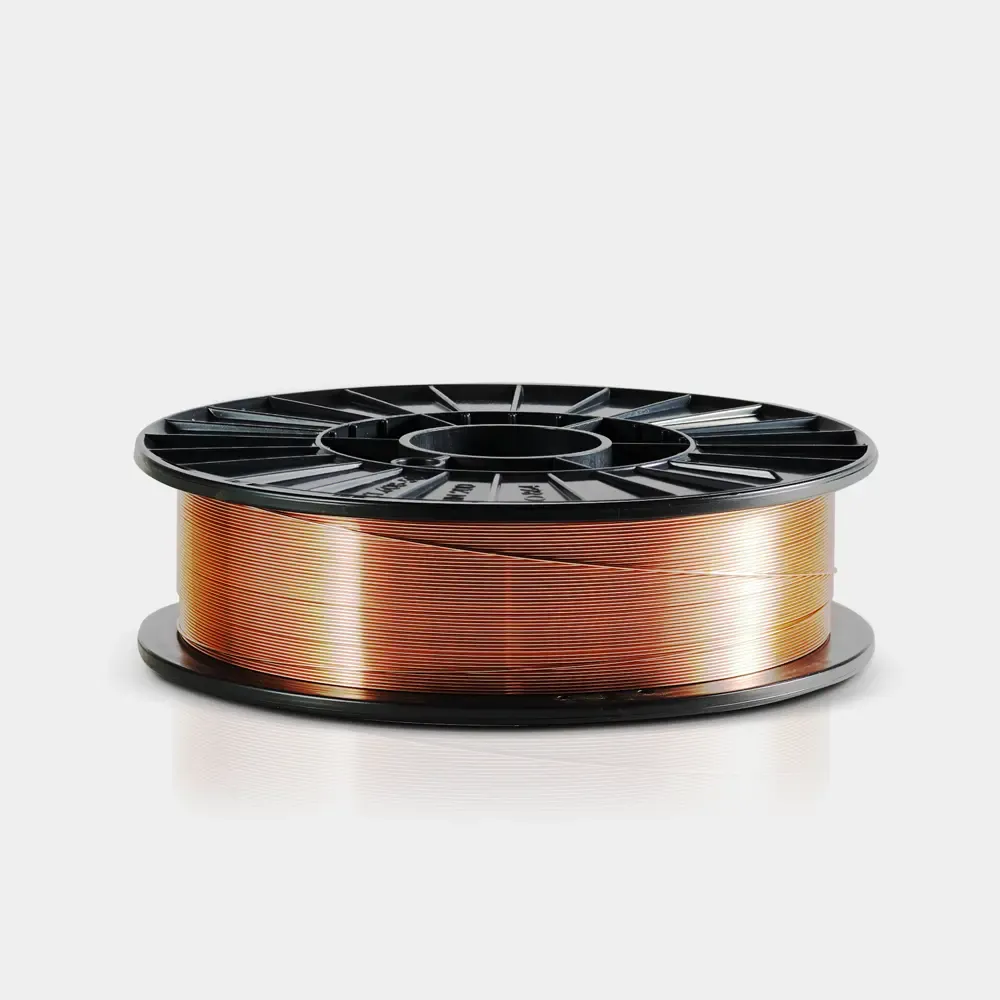
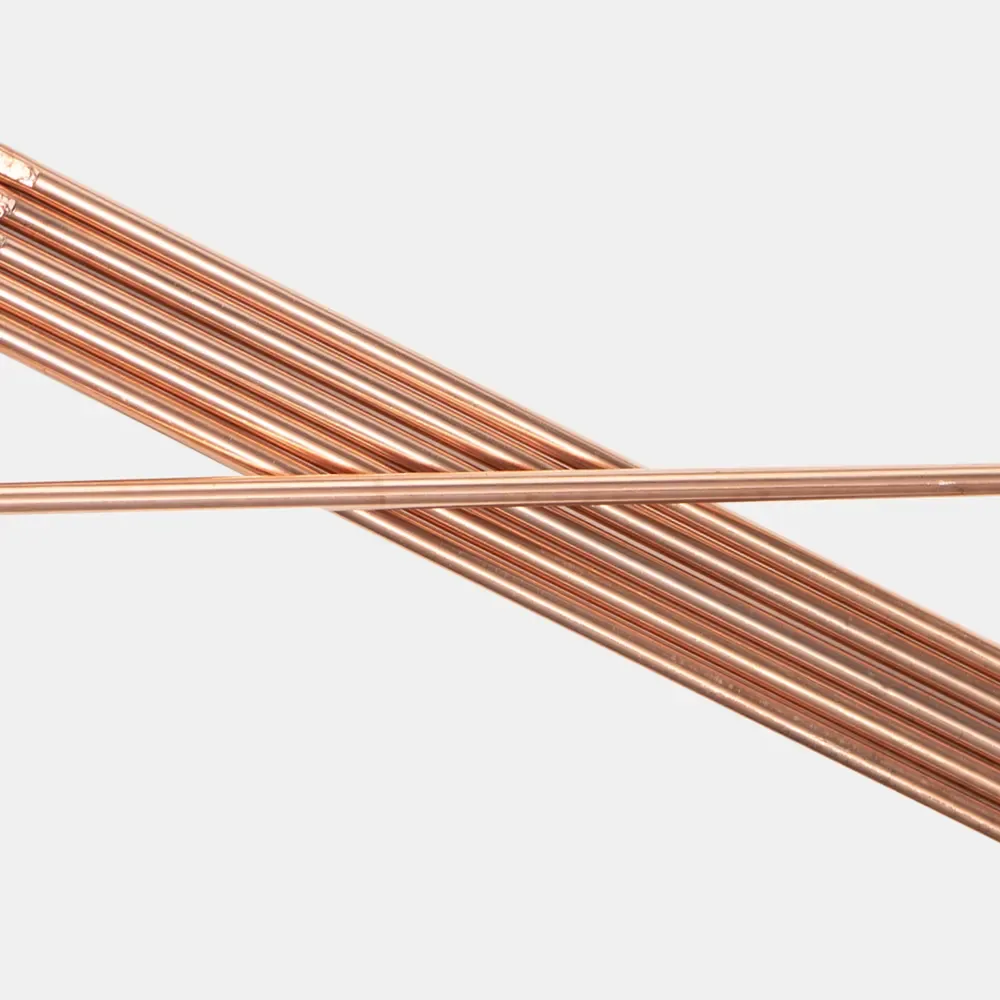
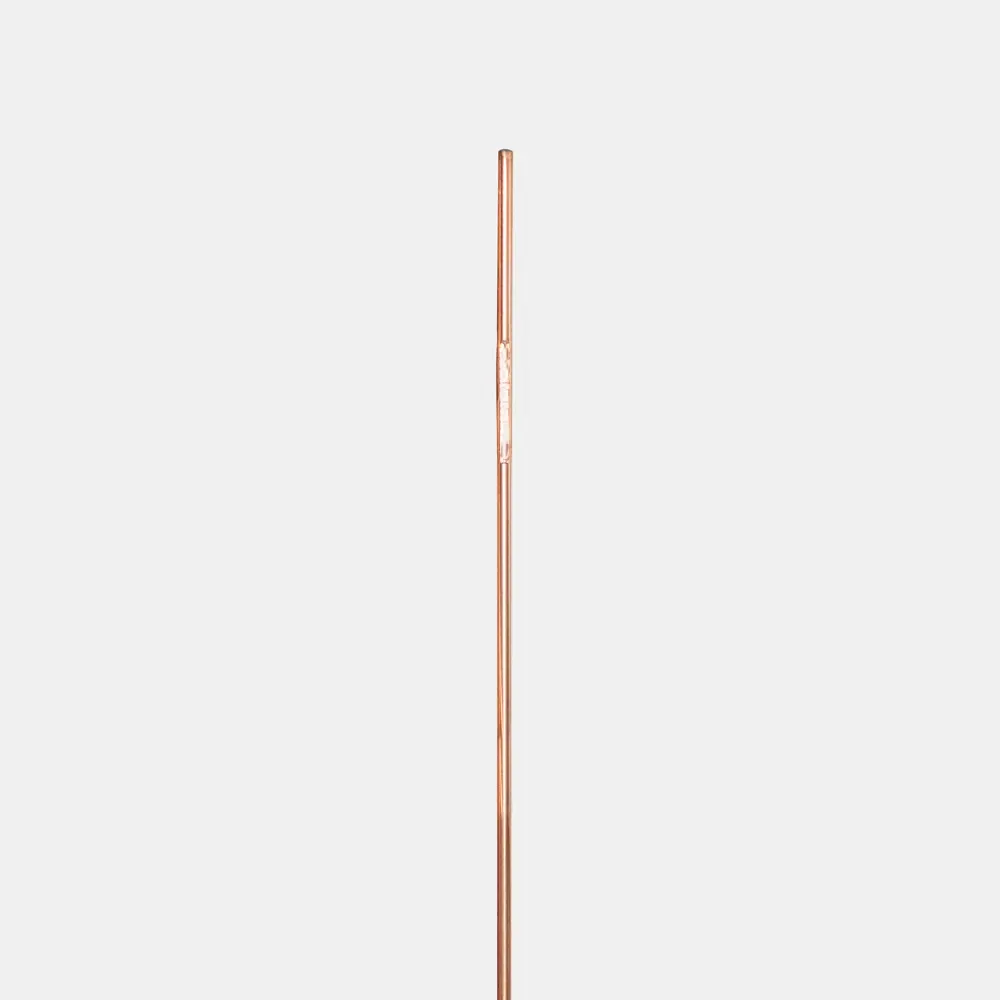
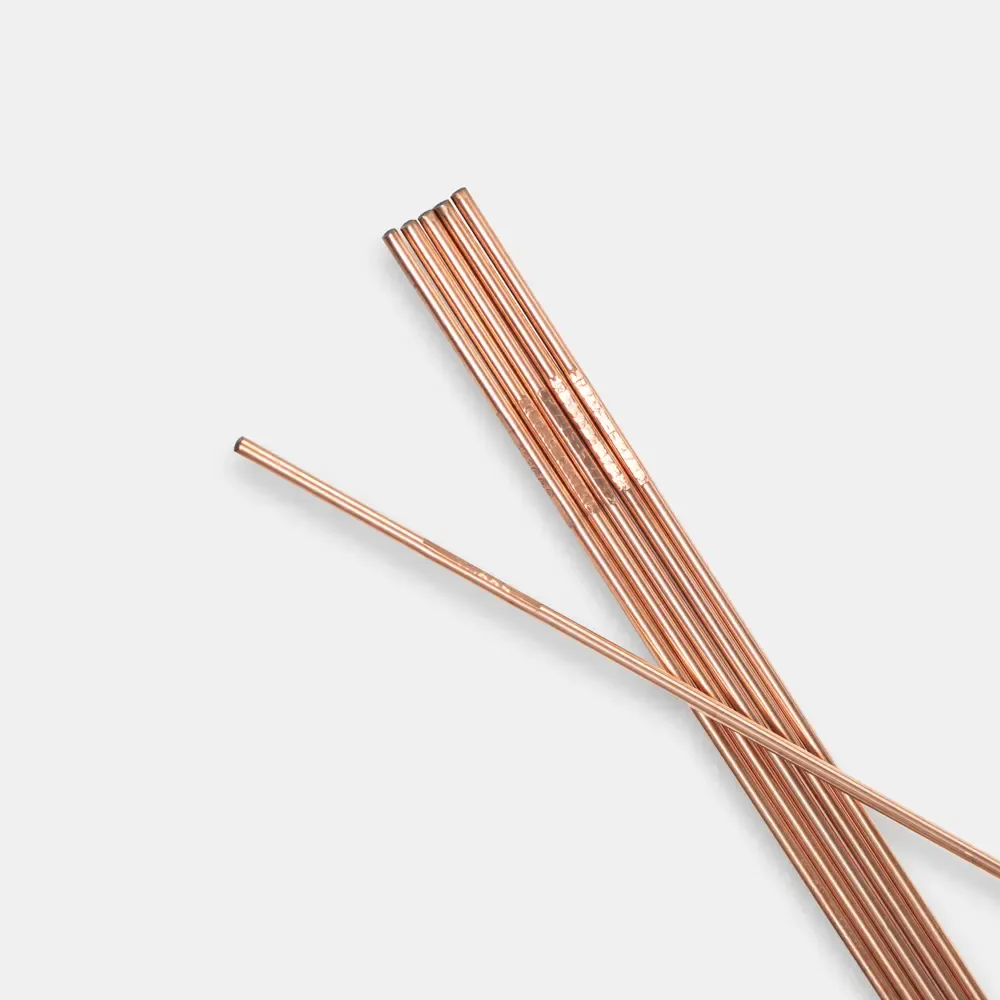
ER80S-B2 is a copper-coated 1.25Cr-0.5Mo solid heat-resistant welding wire complying with AWS A5.28,dedicated to MIG/TIG welding of 15CrMo and 1.25Cr0.5Mo base materials.
WELDING WIRE AND ROD (MIG & TIG)
ER80S-B2 is a copper-coated 1.25Cr-0.5Mo solid heat-resistant welding wire complying with AWS A5.28,dedicated to MIG/TIG welding of 15CrMo and 1.25Cr0.5Mo base materials.
Applicable Welding Processes & Shielding Gases
· MIG Cap Pass: 80% Argon + 20% CO₂ Mixed Gas,
· TIG Root Pass: 100% High Purity Argon.
Welding Position,
· Suitable for all-position welding (flat, horizontal, vertical & overhead),
· TIG performs excellently in all positions,
· pulse MIG is recommended for vertical and overhead welding.
Mechanical Properties
Mechanical Properties (Minimum AWS Requirements, Post-Weld Heat Treated at 620℃ for 1 Hour)
· Tensile Strength: ≥550 MPa (80 ksi) 0.2% Offset
· Yield Strength: ≥470 MPa (68 ksi)
· Elongation: ≥19%
· Charpy V-notch Impact Energy: ≥27 J at ambient temperature.
Outstanding high-temperature creep resistance is its core advantage.
Features:
· Excellent electrical conductivity, smooth wire feeding and superior rust resistance,
· Smooth weld bead free of undercut and notch defects,
· Sufficient tensile & yield strength, good elongation and stable toughness,
· Welds meet Class 1 radiographic testing (RT) requirements.
Applications
· Welding of 0.5Cr-0.5Mo, 1Cr-0.5Mo and 1.25Cr0.5Mo steel pipes, plates and castings,
• Elevated temperature and corrosive service applications in Refineries, Petrochemicals & fertilizers plant,
· Can be used for joining dissimilar combinations of Cr-Mo and Carbon steels,
· Suitable for ASTM A 199-76, A 200-75, A 213- 76D, A 335 Gr.P11, A 369-76, A 387 Gr.B, DIN 15CrMo3.
Welding Precautions
• Preheating is mandatory due to high hardenability of base metal; recommended preheat temperature: 150~250℃, higher for thick plates,
• Strictly control interpass temperature, which shall not be lower than preheat temperature during welding to prevent cold cracking,
• Post-weld heat treatment (PWHT) is required to relieve residual welding stress and avoid delayed cracking,
• Clean oil, rust, scale and moisture within 20mm of groove sides to eliminate hydrogen-induced cracks,
· Store wire in dry condition; damp wire is prohibited for use to prevent weld porosity,
· Radiographic testing (RT) can only be carried out after PWHT and full cooling of workpieces.