Low Alloy & High Strength
ER80S-Ni1
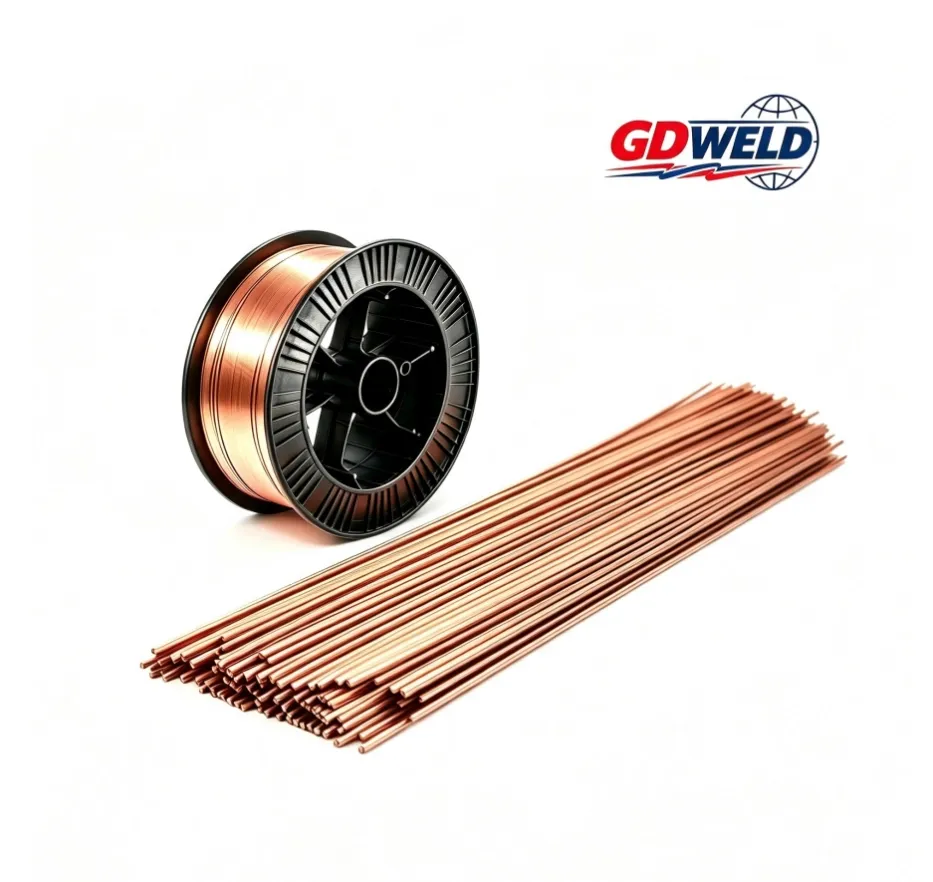
AWS A5.28 ER80S-Ni1 low-alloy welding wire with approximately 1% nickel for low-temperature and high-toughness steel applications, including pipelines, pressure vessels, tanks, offshore structures and oil & gas equipment. ER80S-Ni1 is a 1% Ni solid welding wire designed for compatible low-alloy and fine-grained steels where good weld-metal toughness at sub-zero temperatures is required. ER80S-Ni1 is available for GMAW/MIG and GTAW/TIG applications, subject to product form and specification.
ER80S-Ni1 Welding Wire
ER80S-Ni1 is an AWS A5.28 nickel-alloyed solid welding wire containing approximately 1% nickel, designed for compatible low-alloy steels requiring ER80-strength weld metal and good low-temperature toughness.
The Ni1 classification is associated with a controlled nickel-alloy system. Compared with Cr-Mo consumables such as ER80S-B2 and ER90S-B3, ER80S-Ni1 is primarily selected for applications where nickel-alloyed weld metal and low-temperature impact performance are important.
Typical applications include:
- Low-temperature piping
- Pipeline fabrication
- Offshore structures
- Pressure vessels
- Storage tanks
- Low-alloy steel equipment
- LNG and low-temperature service
- Heavy industrial fabrication
Product form and welding process should be confirmed against the manufacturer's TDS and qualified WPS/PQR.
ER80S-Ni1 at a Glance
Item | Details |
|---|---|
AWS Classification | ER80S-Ni1 |
AWS Specification | AWS A5.28 / ASME SFA-5.28 |
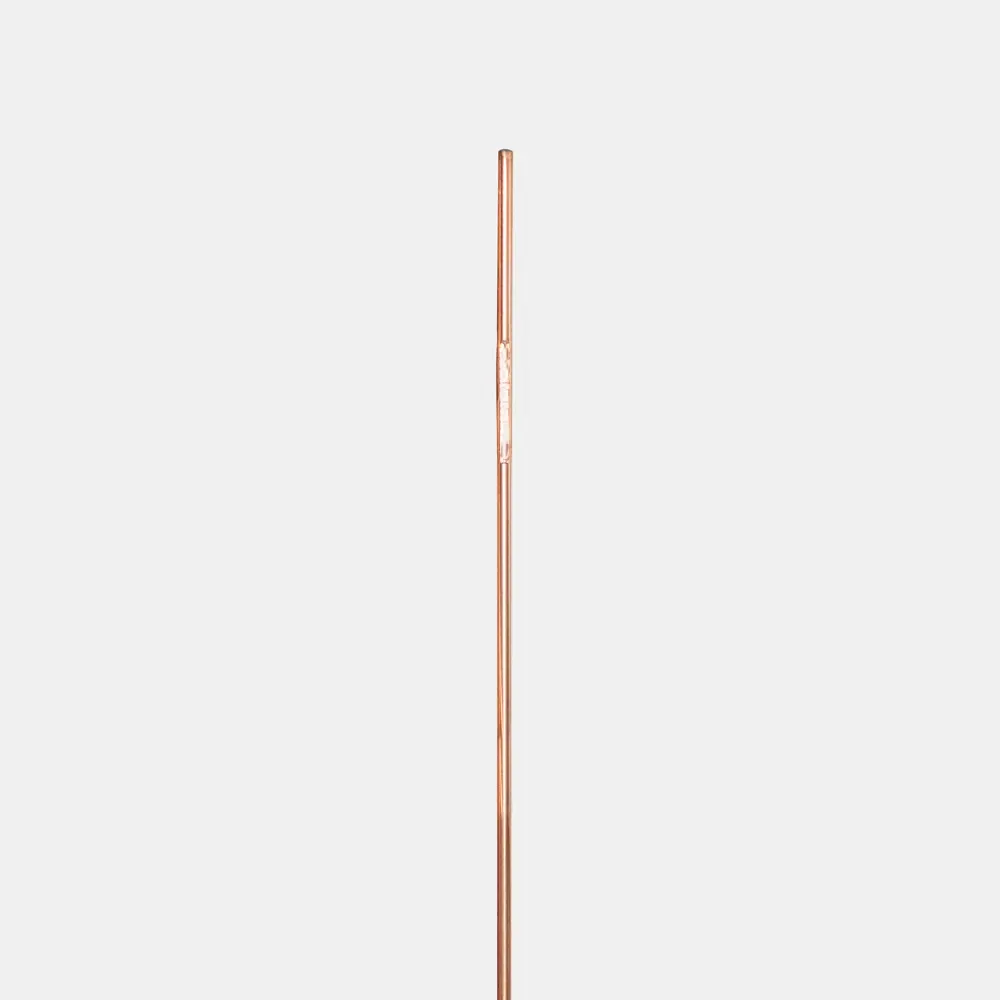
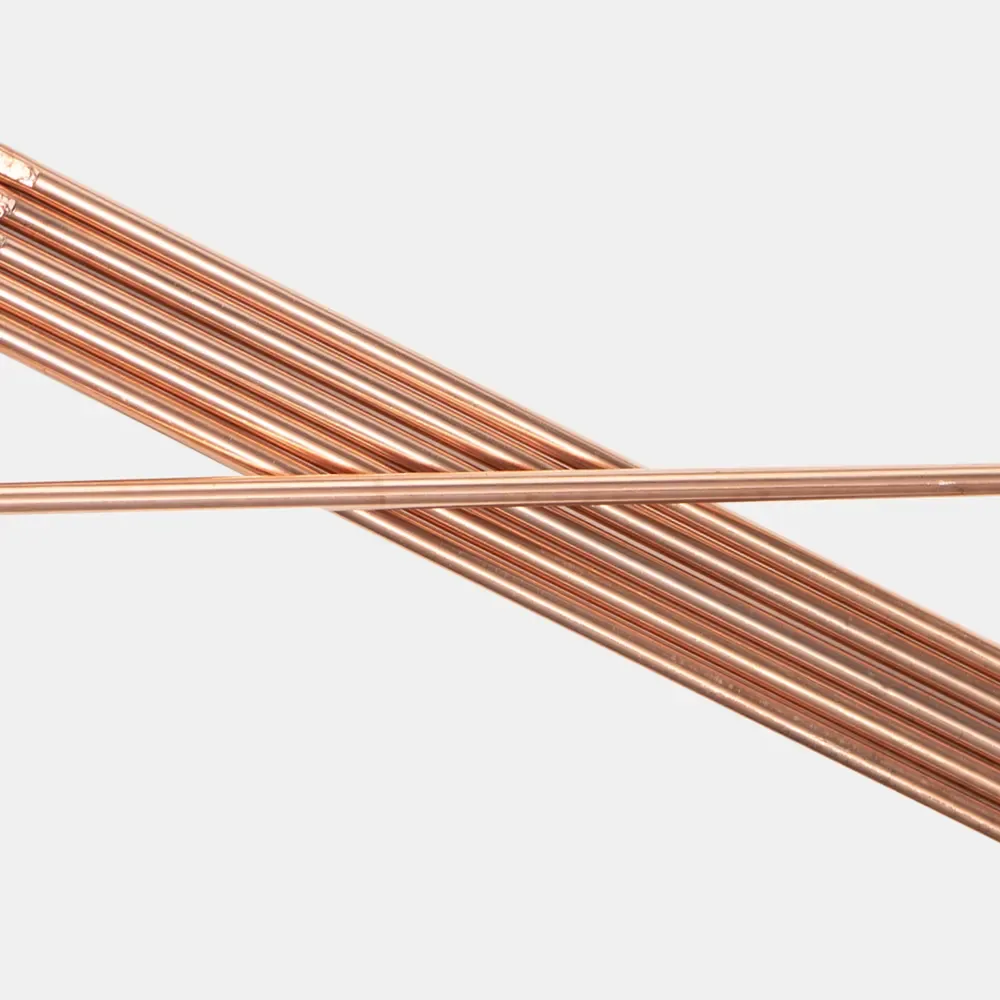
Product Type | Solid Welding Wire / TIG Filler Rod |
Alloy Family | Nickel-alloyed low-alloy steel |
Nickel Content | 0.80–1.10% |
Strength Classification | ER80 |
Main Service Focus | Low-temperature toughness |
Typical Applications | Piping, pipelines, offshore, vessels, tanks |
Welding Processes | GMAW/MIG or GTAW/TIG, according to product form |
Product Form | Spool / Rod |
Documentation | TDS / MTC / CoA according to requirements |
ER80S-Ni1 is commercially used for low-temperature applications including offshore and pipelaying, while specific product approvals and applications depend on the manufacturer and product specification.
Why Choose ER80S-Ni1?
ER80S-Ni1 is mainly considered when a project requires a combination of:
ER80 weld-metal strength + controlled nickel chemistry + low-temperature impact toughness
Nickel is the defining alloying element of the Ni1 classification, with an AWS classification range of 0.80–1.10% Ni.
This makes ER80S-Ni1 particularly relevant to buyers working with:
- Low-temperature steels
- Pipeline steels
- Offshore structures
- Pressure equipment
- Storage tanks
- Low-temperature process systems
The actual consumable selection should be based on the base material, service temperature, impact requirements and qualified welding procedure.
ER80S-Ni1 Chemical Composition
The AWS classification controls the chemical composition of ER80S-Ni1.
Element | AWS Classification Requirement, wt.% |
|---|---|
Carbon (C) | 0.12 max. |
Manganese (Mn) | 1.25 max. |
Silicon (Si) | 0.40–0.80 |
Phosphorus (P) | 0.025 max. |
Sulfur (S) | 0.025 max. |
Nickel (Ni) | 0.80–1.10 |
Chromium (Cr) | 0.15 max. |
Molybdenum (Mo) | 0.35 max. |
Vanadium (V) | 0.05 max. |
Copper (Cu) | 0.35 max. |
These are classification limits, not guaranteed batch chemistry. Actual composition should be verified against the supplied GD WELD TDS and MTC/CoA.
Commercial ER80S-Ni1 products commonly show approximately 0.9% Ni in typical wire chemistry.
ER80S-Ni1 Mechanical Properties
ER80S-Ni1 belongs to the ER80 strength classification.
Typical AWS classification minimums are:
Property | Minimum |
|---|---|
Yield Strength | 470 MPa / 68 ksi |
Tensile Strength | 550 MPa / 80 ksi |
Elongation | 24% |
Charpy V-Notch | 27 J at −45°C / −50°F, according to applicable classification requirements |
A commercial Lincoln Electric ER80S-Ni1 product lists these values as its AWS A5.28 requirements and reports typical higher impact performance under its specified testing conditions.
Actual weld-metal results depend on welding process, shielding gas, heat input, base material and test condition.
ER80S-Ni1 for Low-Temperature Applications
Low-temperature welding wire is one of the strongest application areas for ER80S-Ni1.
When a welded component operates at reduced temperatures, tensile strength alone does not determine consumable suitability. Weld-metal toughness and Charpy impact performance may also be specified.
Typical application areas include:
Offshore and Marine Structures
ER80S-Ni1 products are available for offshore applications where low-temperature impact performance is important.
Pipeline Welding
Ni1 welding wires are used for compatible pipeline steels and pipelaying applications.
LNG and Low-Temperature Equipment
Nickel-alloyed consumables can be considered where the project requires controlled low-temperature weld-metal performance.
Pressure Vessels and Storage Equipment
For pressure equipment operating at reduced temperatures, consumable selection should consider both mechanical strength and required impact properties.
ER80S-Ni1 and Impact Toughness
For low-temperature applications, the key question is not simply:
How strong is the weld metal?
It is also:
How does the weld metal perform at the required test temperature?
Important project requirements may include:
- Charpy test temperature
- Minimum absorbed energy
- Weld-metal chemistry
- Welding condition
- Heat input
- PWHT condition
- Applicable construction code
For example, one commercial ER80S-Ni1 product reports impact testing at −60°C, but this is a product-specific typical result and should not be treated as a universal value for every ER80S-Ni1 wire.
For project qualification, use the actual product documentation.
What Materials Can ER80S-Ni1 Weld?
ER80S-Ni1 is intended for compatible low-alloy and nickel-alloyed steels where the specified weld-metal chemistry and mechanical properties match the application.
Potential material/application areas include:
- Fine-grained low-temperature steels
- Pipeline steels
- Offshore structural steels
- Low-alloy pressure equipment
- Compatible storage-tank steels
- Low-temperature process equipment
Some commercial ER80S-Ni1 products are specifically positioned for steels used in offshore, LNG and pipelaying applications.
The final base-material pairing should always be confirmed against the material specification and qualified WPS/PQR.
ER80S-Ni1 Welding Processes
GMAW / MIG
ER80S-Ni1 is available as solid wire for gas-shielded welding applications.
Key welding variables include:
- Wire diameter
- Shielding gas
- Welding current
- Arc voltage
- Wire-feed speed
- Travel speed
- Heat input
For example, a commercial LNM Ni1 product specifies M21 shielding gas for its GMAW application. This is product-specific and should not be treated as a universal gas recommendation.
Follow the manufacturer's TDS and qualified WPS for actual welding parameters.
GTAW / TIG
ER80S-Ni1 is also available as TIG filler rod.
GTAW can be useful for:
- Pipe root passes
- Small-diameter piping
- Critical joints
- Precision welding
- Controlled filler-metal deposition
Commercial TIG products are available with 100% argon shielding according to their product specifications.
ER80S-Ni1 Welding Procedure
The consumable is only one part of the welding procedure.
Depending on the base material and application, the qualified WPS may control:
Preheat → Interpass Temperature → Heat Input → Cooling → PWHT
The actual requirements depend on:
- Base-material grade
- Material thickness
- Joint design
- Welding process
- Service temperature
- Applicable code
- Impact requirements
- PWHT requirements
For low-temperature applications, the complete welding procedure should demonstrate that the required weld-metal properties are achieved.
ER80S-Ni1 vs ER80S-Ni2
Both classifications belong to the ER80 nickel-alloyed family, but the nickel range is different.
| ER80S-Ni1 | ER80S-Ni2 |
|---|---|---|
Strength Class | ER80 | ER80 |
Alloy Family | Nickel steel | Nickel steel |
Nickel Range | 0.80–1.10% | 2.00–2.75% |
Main Selection Factor | Ni1 chemistry + toughness requirement | Ni2 chemistry + toughness requirement |
Typical Focus | Low-temperature / pipeline applications | Higher-Ni low-temperature applications |
Ni1 does not simply mean “better” or “worse” than Ni2.
The correct classification depends on the base material, required chemistry, impact requirements and qualified WPS/PQR.
ER80S-Ni1 vs ER80S-B2
These consumables belong to different alloy families and are generally selected for different service conditions.
| ER80S-Ni1 | ER80S-B2 |
|---|---|---|
Alloy Family | Ni-alloyed | Cr-Mo |
Main Alloying Element | Nickel | Chromium + Molybdenum |
Typical Material Focus | Low-temperature / nickel steels | P11 / T11 and compatible Cr-Mo steels |
Service Focus | Lower-temperature toughness | Elevated-temperature service |
Typical Applications | Pipeline, offshore, low-temperature equipment | Boiler and Cr-Mo piping |
Low-temperature / Ni-steel application → ER80S-Ni1
P11/T11 Cr-Mo application → ER80S-B2
The two classifications should not be substituted based on strength alone.
ER80S-Ni1 vs ER90S-B3
| ER80S-Ni1 | ER90S-B3 |
|---|---|---|
Strength Class | ER80 | ER90 |
Alloy Family | Ni-alloyed | Cr-Mo |
Main Alloying System | ~1% Ni | ~2.25Cr-1Mo |
Typical Material Focus | Low-temperature / nickel steels | P22 / T22 |
Main Service Focus | Low-temperature toughness | Elevated-temperature Cr-Mo service |
Typical Applications | Pipeline, offshore, low-temperature equipment | Power, refinery and high-temperature piping |
ER80S-Ni1 and ER90S-B3 should not be treated as interchangeable simply because both are low-alloy welding wires.
How to Select ER80S-Ni1
Before ordering ER80S-Ni1, confirm these points:
1. Base Material
Identify the exact steel grade and material specification.
2. Required AWS Classification
Does the WPS or project specification specifically require ER80S-Ni1?
3. Minimum Service Temperature
What is the lowest design or operating temperature?
4. Impact Requirement
What Charpy temperature and minimum absorbed energy are required?
5. Welding Process
GMAW/MIG or GTAW/TIG?
6. Shielding Gas
Which shielding gas is specified by the product TDS and qualified WPS?
7. Wire Diameter
Which diameter is required by the welding procedure?
8. PWHT
Is post-weld heat treatment required?
9. Certification
Are MTC, CoA, impact data or third-party inspection documents required?
ER80S-Ni1 Diameter and Packaging
ER80S-Ni1 can be supplied in different diameters and packaging formats according to the welding process and product specification.
Possible formats include:
- MIG/GMAW spools
- TIG/GTAW rods
- Different wire diameters
- Standard industrial packaging
- Customized packaging
Available sizes and packaging should be confirmed according to the actual product supply program.
For quotation, provide:
AWS Classification + Diameter + Welding Process + Packaging + Quantity
Quality and Technical Documentation
For ER80S-Ni1 projects, available documentation may include:
- Technical Data Sheet (TDS)
- Mill Test Certificate (MTC)
- Certificate of Analysis (CoA)
- Chemical composition
- Mechanical properties
- Charpy impact-test data
- Certificate of Conformity
- Packaging information
- Project-specific documentation
For low-temperature, offshore or pressure-equipment projects, confirm certification and impact-test requirements before ordering.
Frequently Asked Questions
What is ER80S-Ni1 welding wire?
ER80S-Ni1 is an AWS A5.28 nickel-alloyed solid welding wire with 0.80–1.10% Ni and ER80-strength weld-metal classification.
What does Ni1 mean in ER80S-Ni1?
Ni1 identifies the nickel-alloyed classification with an AWS nickel range of 0.80–1.10%.
What is ER80S-Ni1 used for?
It is used for compatible low-alloy and nickel steels where ER80-strength weld metal and low-temperature toughness are required.
Is ER80S-Ni1 suitable for low-temperature welding?
It can be suitable when the base material, required impact properties and qualified WPS/PQR support its use. Commercial products are marketed for low-temperature, offshore and pipeline applications.
What is the difference between ER80S-Ni1 and ER80S-Ni2?
The principal classification difference is nickel content: Ni1 = 0.80–1.10% Ni, while Ni2 = 2.00–2.75% Ni.
What is the difference between ER80S-Ni1 and ER80S-B2?
ER80S-Ni1 is a nickel-alloyed consumable associated with low-temperature applications, while ER80S-B2 is a Cr-Mo consumable for compatible Cr-Mo steels.
Can ER80S-Ni1 replace ER80S-Ni2?
Do not assume direct substitution. The required AWS classification, base material, impact requirements and WPS/PQR should determine the consumable.
Can ER80S-Ni1 be used for P11?
Do not assume substitution. P11 applications require the consumable specified by the qualified welding procedure.
Does ER80S-Ni1 require PWHT?
PWHT depends on the base material, thickness, welding procedure and applicable code. Follow the qualified WPS/PQR.
Need ER80S-Ni1 Welding Wire?
Looking for ER80S-Ni1 welding wire for low-temperature piping, pipeline steel, offshore fabrication, pressure vessels or other applications requiring controlled nickel chemistry and weld-metal toughness?
Send us:
AWS Classification · Base Material · Diameter · Welding Process · Service Temperature · Application · Quantity · Certificate Requirements
Need a hard-to-source welding grade?
Tell us the AWS classification, base material, diameter and application.
Request a Quote
Send Your Specification