Oct 27, 2026
Why Does My E6011 Weld Have Porosity? Causes and Fixes
Why does an E6011 weld have porosity? Identify common causes and learn how to fix pinholes by checking arc length, electrode condition, surface contamination and welding settings.
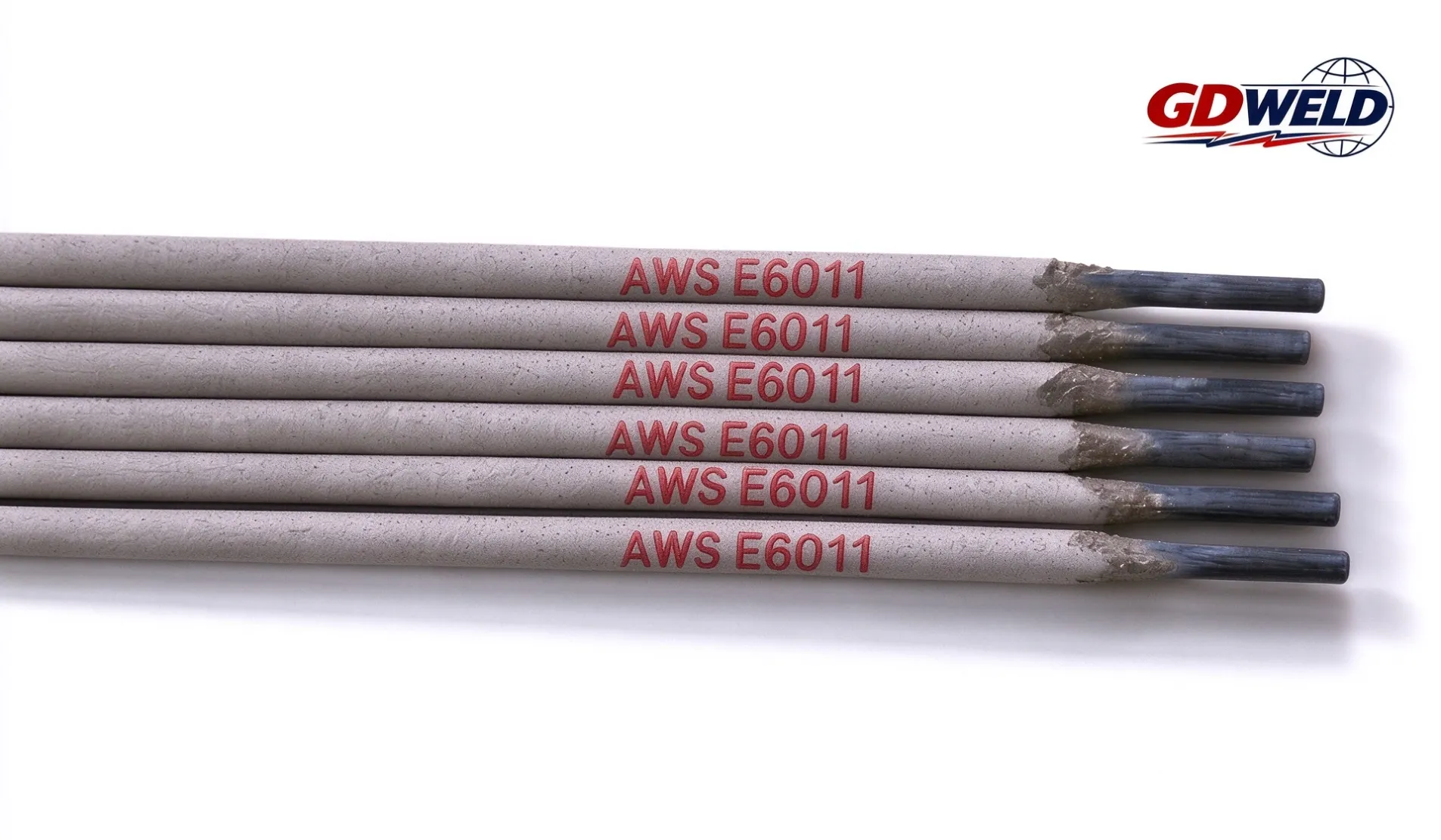
E6011 weld porosity appears as small holes or pinholes in the weld bead. Common causes include a long arc, contaminated steel, unsuitable electrode condition and incorrect welding settings.
Use this quick guide to identify the likely cause and find the right fix.
E6011 Weld Porosity: Causes and Solutions
Possible cause | What to do |
|---|---|
Arc is too long | Maintain a short, steady arc |
Oil, grease or paint on steel | Clean the joint before welding |
Moisture or condensation | Dry the base metal and check storage conditions |
Electrode coating is damaged or improperly handled | Check the manufacturer's storage and handling instructions |
Incorrect current or unstable arc | Verify the recommended current range, polarity and machine settings |
1. Long Arc
An excessively long arc can make the arc less stable and increase the risk of weld contamination.
Fix: Keep the arc short and consistent. If pinholes appear during welding, correct your arc length before changing several machine settings.
2. Damp or Improperly Stored Electrodes
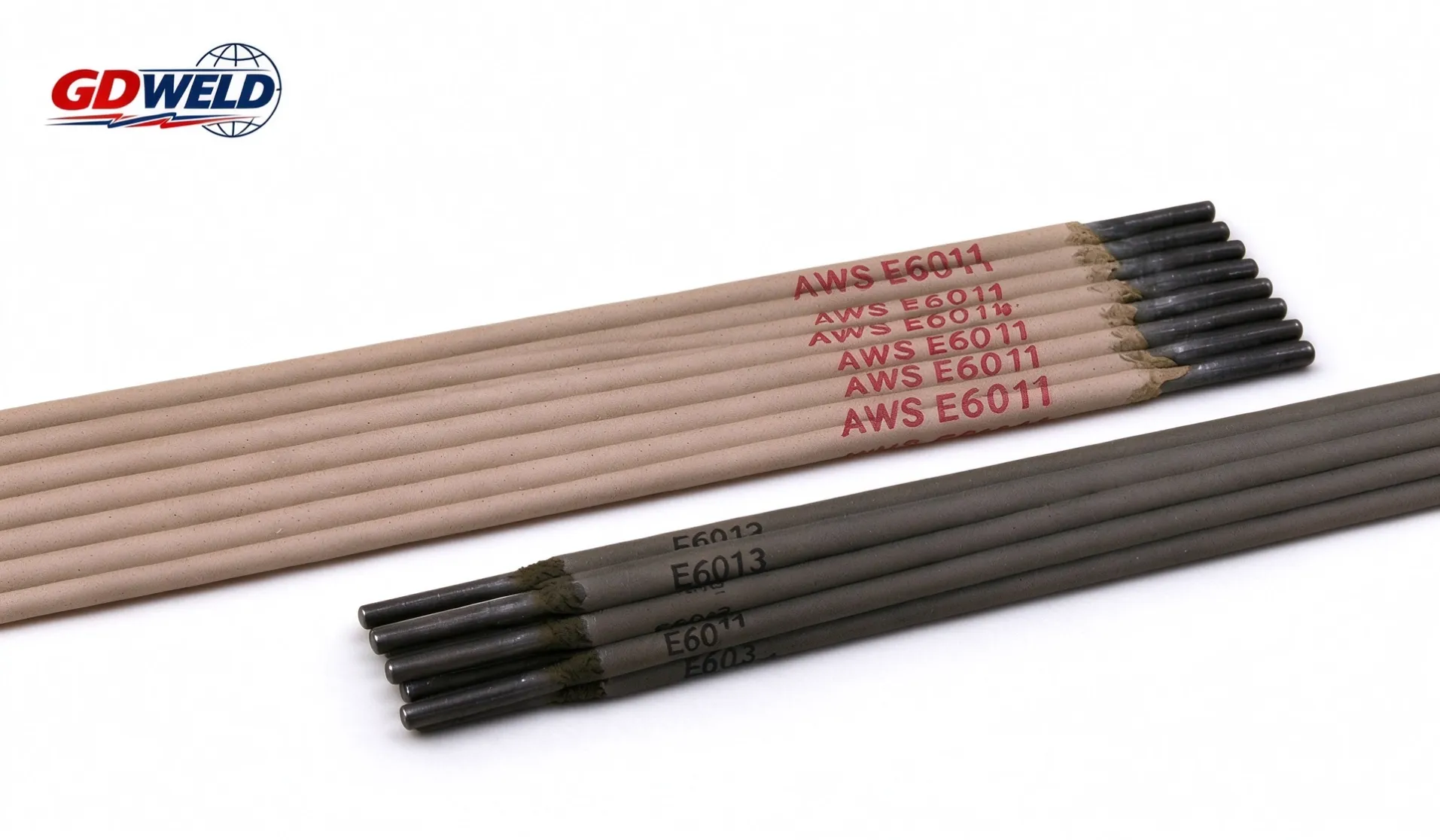
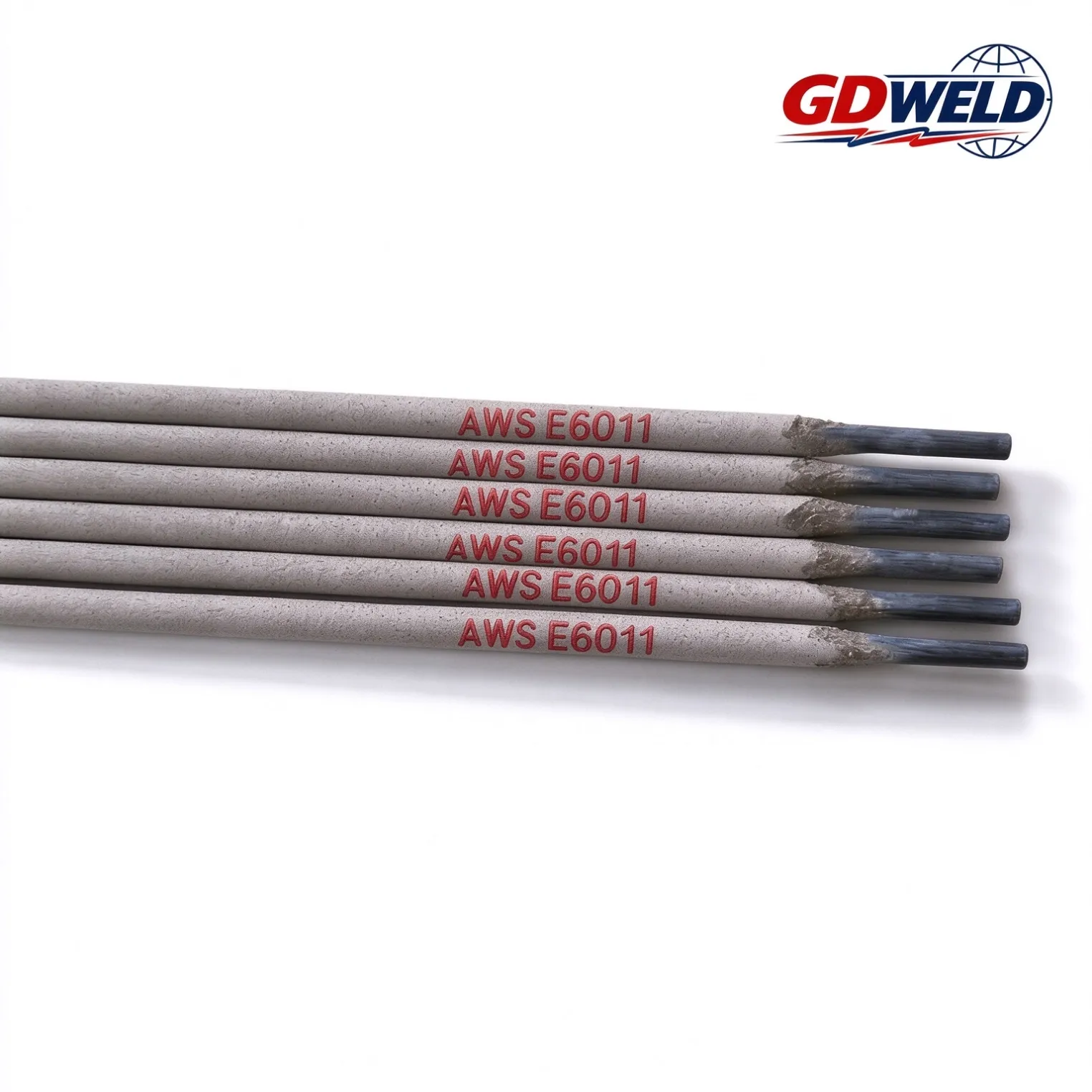
E6011 is a cellulosic electrode, so its coating must be handled according to the manufacturer's instructions. Do not automatically bake it using the drying procedure for low-hydrogen electrodes such as E7018.
Fix: Check the packaging, storage conditions and coating condition. Follow the manufacturer's guidance if electrode conditioning is required.
3. Oil and Surface Contamination
E6011 can tolerate some light rust and mill scale, but oil, grease, paint and moisture can still contribute to porosity.
Fix: Remove contaminants, loose rust and heavy scale from the joint. Make sure the surface is dry before welding.
4. Incorrect Current or Welding Technique
Current that is too low may contribute to an unstable arc or poor fusion. Excessive current can make the weld pool difficult to control. However, porosity alone does not prove that the amperage is wrong.
Fix: Check the electrode diameter, recommended current range, polarity and work connection. Maintain a consistent arc and travel speed, then make a short test weld.
What If Porosity Persists?
Check these items in order:
- Clean and dry the base metal.
- Maintain a short arc.
- Check electrode condition and storage.
- Verify current and polarity.
- Review the welding procedure and inspect the test weld.
Do not simply cover a porous weld with another pass. For critical applications, follow the required inspection and repair procedure.
If you are selecting electrodes for pipe welding, see our guide to E6011 vs E6010 welding electrodes.
Need E6011 electrodes for your application? Send us the required diameter, base material and welding conditions to help confirm the appropriate product specification.