Can You Use E6011 Welding Rods on Thin Metal Without Burning Through?
Can E6011 weld thin metal without burn-through? Learn how electrode size, current, arc length and travel speed affect thin steel welding.
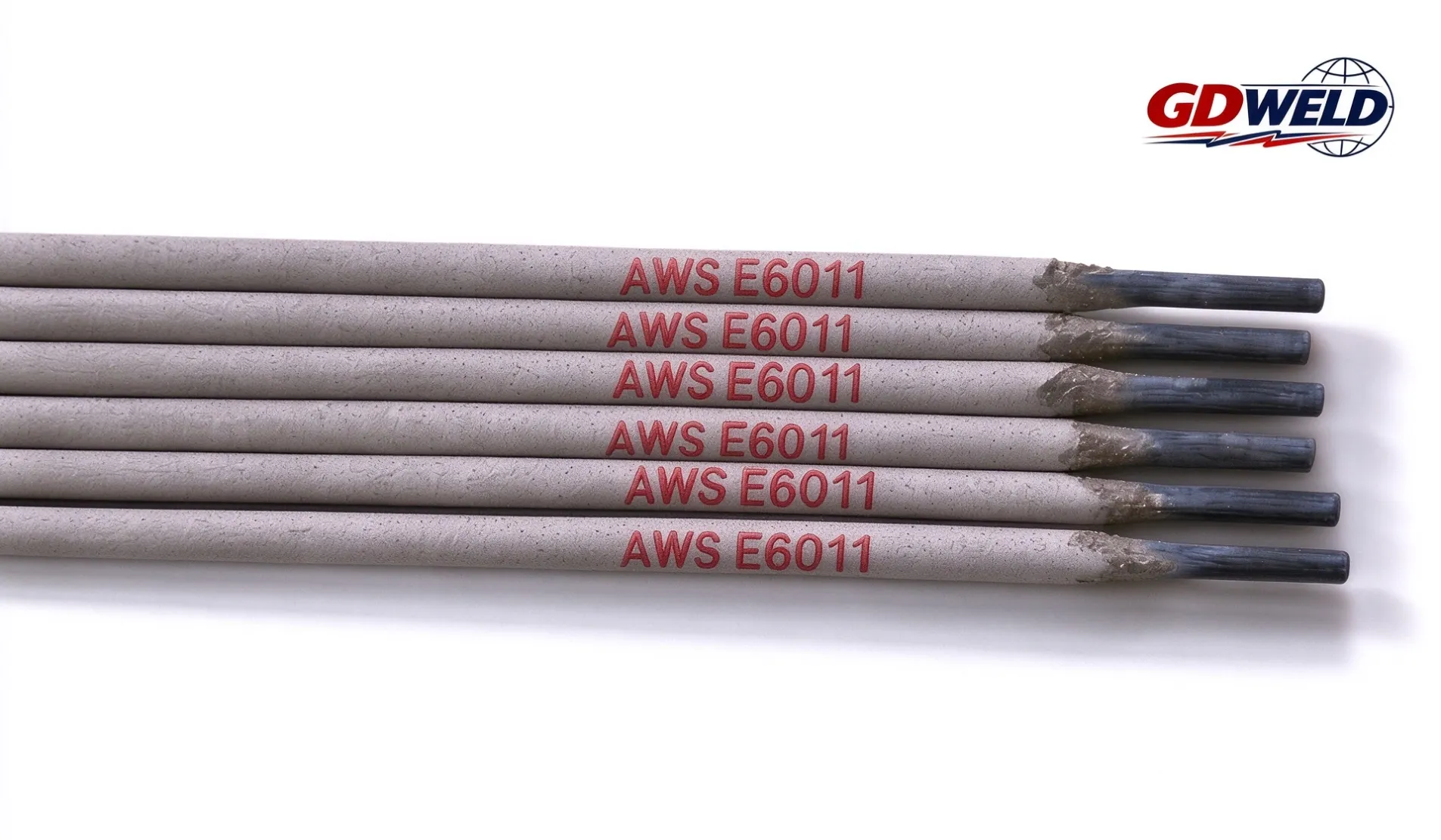
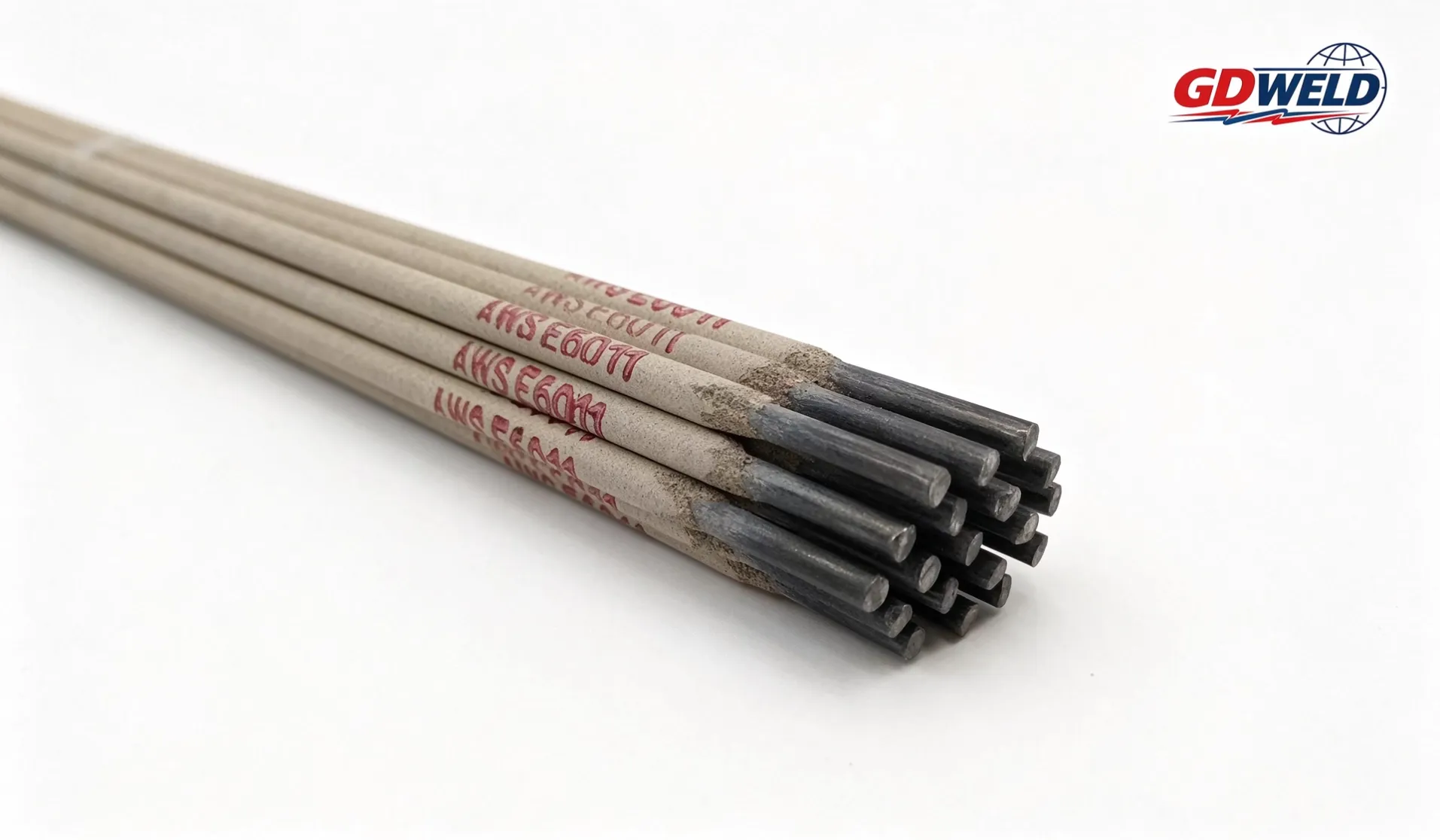
Yes, E6011 welding rods can be used on some thin steel sections, but controlling heat input is essential. E6011 produces a forceful arc with relatively deep penetration, so it can burn through thin sheet metal if the electrode is too large, the current is too high or the welder moves too slowly.
For very thin sheet metal, MIG or TIG may offer better heat control. However, when stick welding is required, the following practices can help reduce burn-through.
Why Does E6011 Burn Through Thin Metal?
Thin steel has less material to absorb heat. Common causes of burn-through include:
Cause | What Happens |
|---|---|
Electrode diameter too large | Too much heat is concentrated in a small area |
Excessive welding current | The base metal melts too quickly |
Long arc length | Arc control becomes less consistent |
Slow travel speed | Heat builds up and melts through the plate |
Poor joint fit-up | Large gaps allow molten metal to fall through |
How to Prevent Burn-Through When Using E6011
1. Choose a suitable electrode diameter
Use a smaller E6011 electrode when the joint and welding procedure allow it. A smaller diameter generally makes it easier to control the weld pool on thin material. Always check the manufacturer's recommended electrode sizes.
2. Set the correct welding current
Start within the manufacturer's recommended current range for the electrode diameter and welding position. If burn-through occurs, check whether the current can be reduced without causing incomplete fusion. Test the setting on a piece of similar material before welding the actual joint.
3. Maintain a short arc
Keep the arc short and consistent. An unnecessarily long arc can make the weld pool harder to control and increase the risk of an irregular bead.
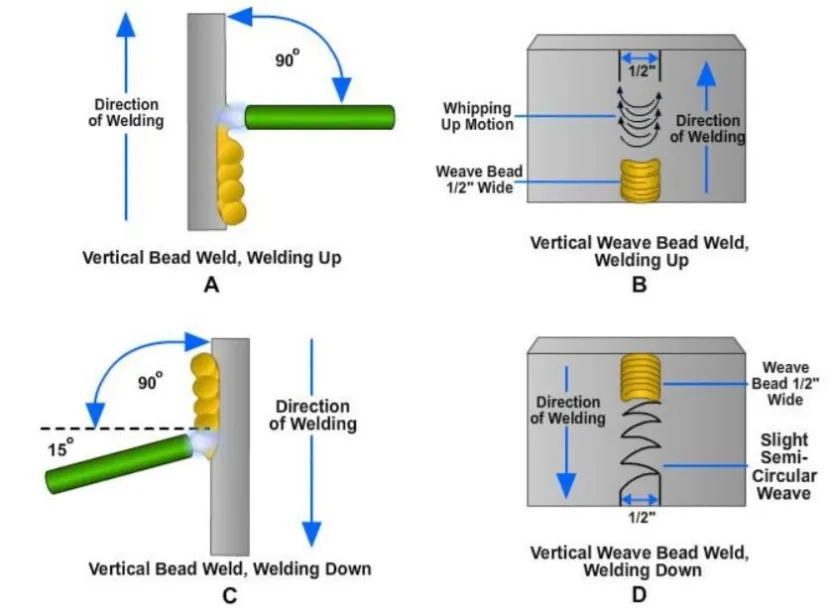
4. Control travel speed and heat buildup
Avoid lingering in one spot. Move steadily while maintaining adequate fusion. Where the joint design permits, use short, intermittent welds and alternate between sections to limit localized heat buildup.
5. Improve joint fit-up
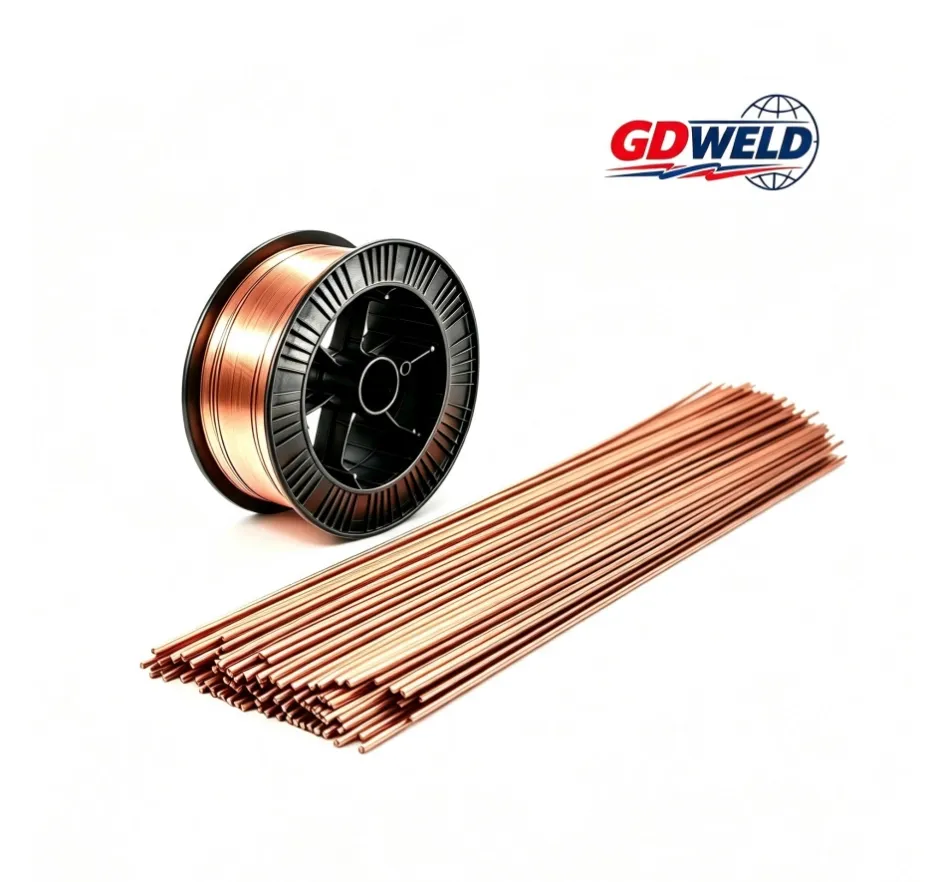
Keep the joint gap small and consistent where the design allows. Secure the parts with suitable tack welds. Copper backing can also help support the molten metal and reduce burn-through in suitable applications.
Is E6013 Better Than E6011 for Thin Metal?
For clean, thin mild steel, E6013 is often easier to control. It generally produces a softer arc and is commonly used for sheet metal and light fabrication.
Electrode | Arc Characteristics | Typical Application |
|---|---|---|
E6011 | Forceful arc, deeper penetration | Field repair and applications requiring strong penetration |
E6013 | Softer arc, smoother operation | Thin steel, sheet metal and light fabrication |
E6013 may be a better option when ease of control is the priority. However, electrode selection must also meet the joint requirements and applicable welding procedure. Do not substitute E6013 for E6011 when the specified procedure requires E6011.
What Should You Check Before Welding Thin Steel?
Before starting, check:
- Steel thickness and joint design
- Electrode diameter and manufacturer-recommended current
- Power source and permitted polarity
- Joint gap and fit-up
- Arc length, travel speed and heat buildup
If you are selecting an electrode for thin steel or general repair work, compare the E6011 welding electrode with the E6013 welding electrode.
Need help selecting E6011 welding rods? Send GD WELD your required electrode diameter, steel thickness and application for product information and specification support.