ENiFe-CI vs ENi-CI: Nickel 55 or Nickel 99 for Cast Iron Repair?
Nickel 55 or Nickel 99 for cast iron repair? Compare strength, machinability and typical applications to choose the right electrode.
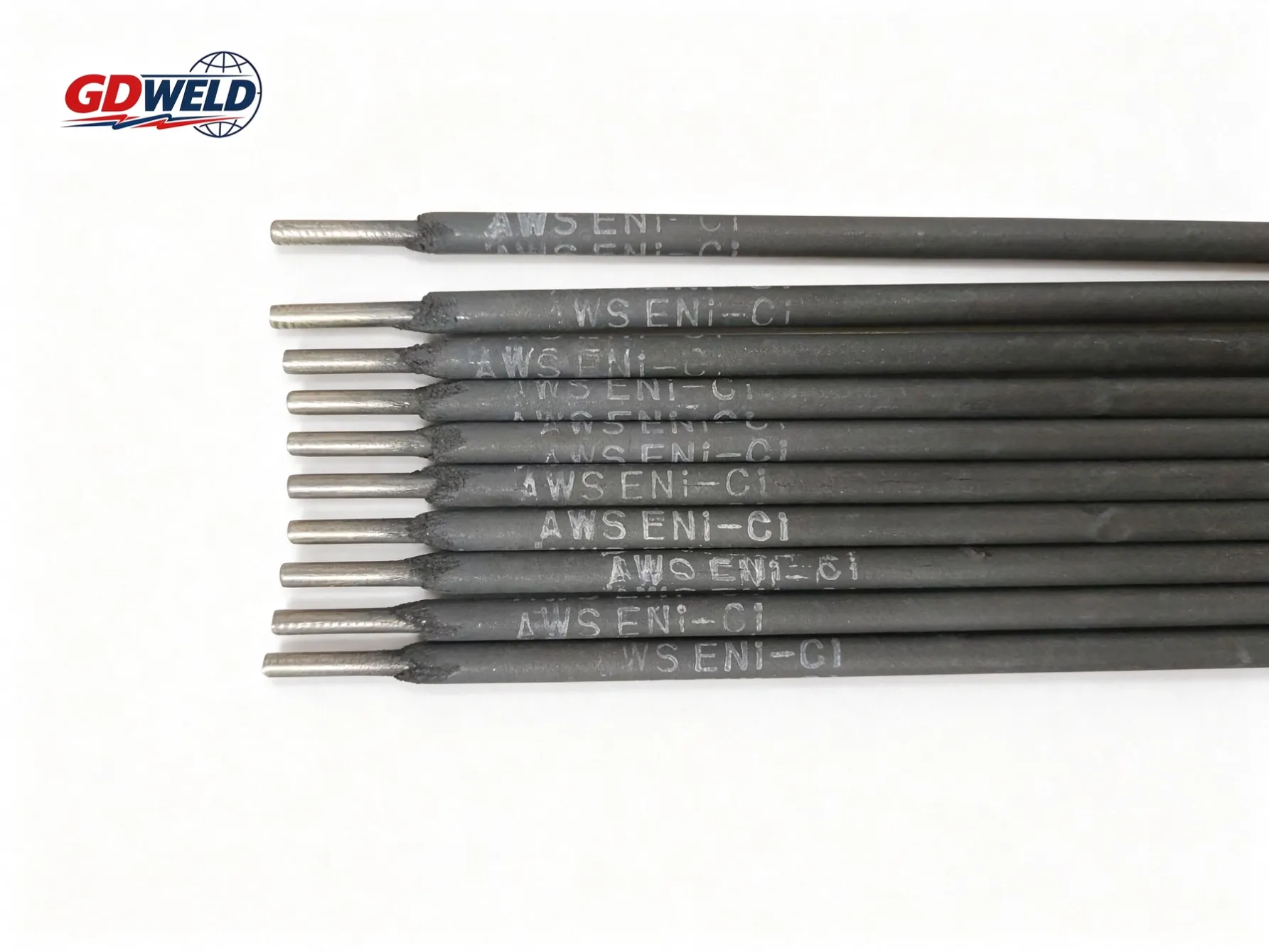
Which nickel welding electrode is better for cast iron repair: ENiFe-CI Nickel 55 or ENi-CI Nickel 99?
Both are nickel-based electrodes used for cast iron welding and repair, but they serve different needs. Nickel 55 is generally preferred for stronger, more ductile weld deposits, while Nickel 99 is often selected when excellent post-weld machinability is essential.
1. ENiFe-CI vs ENi-CI: Key Differences
Feature | ENiFe-CI (Nickel 55) | ENi-CI (Nickel 99) |
|---|---|---|
Nominal nickel content | 55% | 99% |
Main alloy | Nickel-iron | Nickel |
Weld strength | Generally higher | Generally lower |
Weld ductility | Generally higher | Generally lower |
Machinability | Good; affected by dilution | Excellent, even with higher dilution |
Typical repair focus | Heavy sections and strength-oriented repairs | Machining-critical repairs |
These are general characteristics. Actual weld metal properties depend on the electrode brand, base metal and welding conditions.
2. What Is Nickel 55 (ENiFe-CI) Used For?
ENiFe-CI Nickel 55 contains approximately 55% nickel and 45% iron. It produces relatively strong, ductile weld deposits and is commonly used for demanding cast iron repairs.
Typical applications include:
- Heavy or thick cast iron sections
- Engine blocks and machine housings
- Ductile and malleable iron castings
- Machine frames and defective castings
- Cast iron-to-steel joining and repair
Nickel 55 is also more tolerant of phosphorus in the casting than Nickel 99. However, high base-metal dilution can increase weld hardness and make machining more difficult.
3. What Is Nickel 99 (ENi-CI) Used For?
ENi-CI Nickel 99 contains approximately 99% nickel. Its main advantage is excellent weld machinability, making it suitable for castings that require machining after repair.
Typical applications include:
- Thin and small cast iron sections
- Localized cracks and casting defects
- Filling cavities and blowholes
- Repairs requiring drilling, tapping or milling
- Grey cast iron with low or medium phosphorus content
Nickel 99 is particularly useful when the repaired area must be machined to restore its original dimensions. However, its weld deposit generally has lower strength and ductility than Nickel 55.
4. How Do You Choose Between Nickel 55 and Nickel 99?
The choice depends on the casting and the repair requirements.
- Choose ENiFe-CI Nickel 55 when higher weld strength, ductility and tolerance of phosphorus are important.
- Choose ENi-CI Nickel 99 when excellent machinability is the main requirement, especially for localized repairs.
Before selecting a cast iron welding electrode, consider the base metal type, casting thickness, phosphorus content, repair size and required post-weld machining.
5. How Can You Reduce Cracking During Cast Iron Welding?
Cast iron is sensitive to thermal stress. Regardless of whether you use Nickel 55 or Nickel 99, proper preparation and heat control are important.
Clean the repair area, control heat input and use short weld sections where appropriate. Preheating, interpass temperature and cooling procedures should be selected according to the casting, component restraint and electrode manufacturer's recommendations.
Neither nickel electrode guarantees crack-free welding or eliminates preheating in every application.
Need a Nickel Electrode for Cast Iron Repair?
Looking for ENiFe-CI Nickel 55 or ENi-CI Nickel 99 electrodes?
Contact GD WELD with your cast iron grade, component thickness, repair requirements and machining needs. We can help you identify a suitable nickel-based welding electrode for your application.