Aug 12, 2026
How to Ensure Low-Temperature Impact Toughness for High-Strength Solid Wires
High-Strength Solid Wire Low-Temperature Impact Toughness Solution" meta_description: "Why ER100S-G passes tensile but fails -40°C Charpy. Learn how Ti-B micro-alloy control ensures stable low-tempera
How to Ensure Low-Temperature Impact Toughness for High-Strength Solid Wires
The Hidden Problem: Tensile Passes, Impact Fails
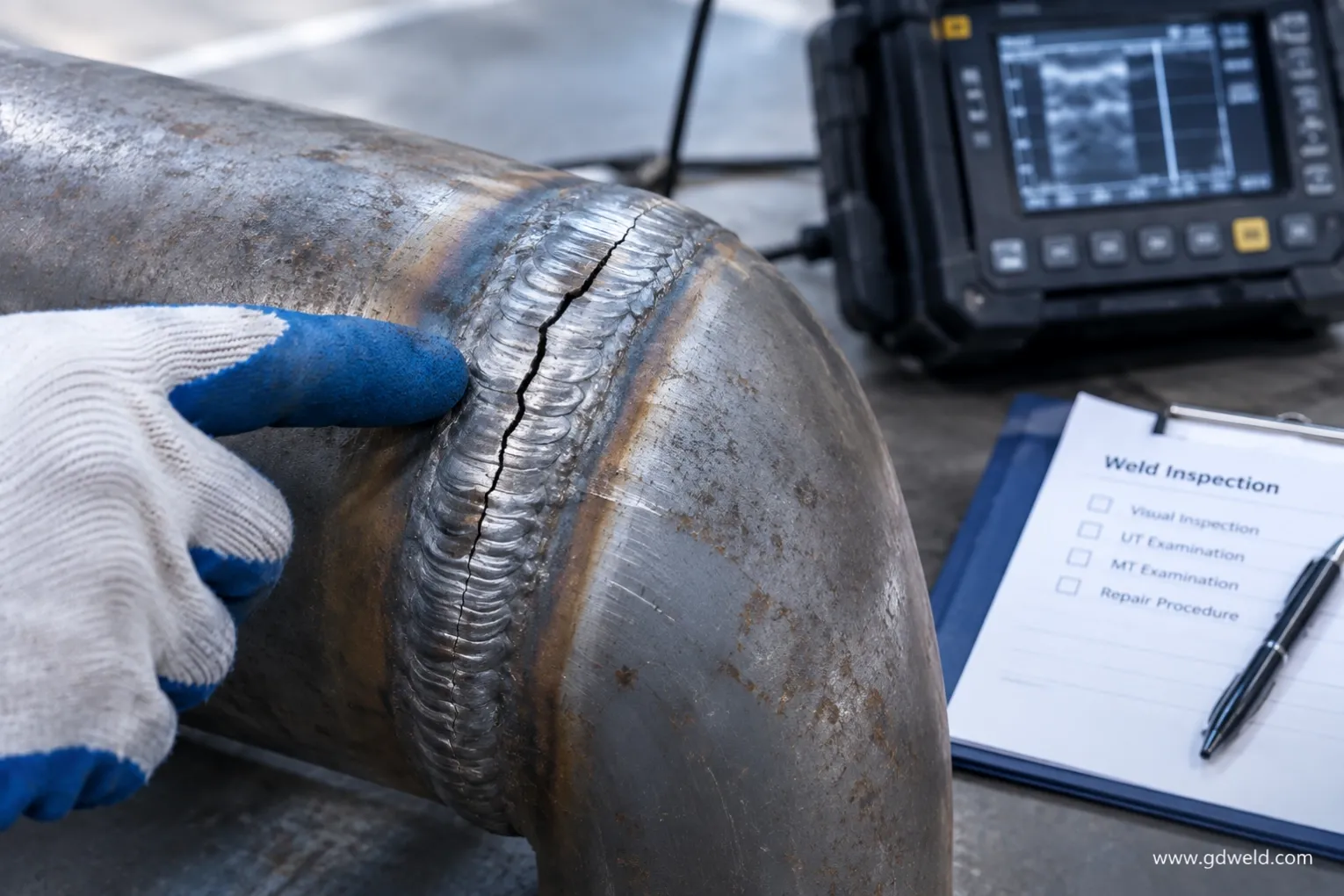
You ran the tensile test. It passed. The numbers look good. Then you send the weld sample for Charpy impact testing at -20°C or -40°C — and it fails. This is a frequent headache for fabricators working with high-strength solid wires like ER80S-D2, ER90S-D2, ER100S-G, and ER110S-G.
Many budget versions of these AWS grades meet tensile strength requirements on the datasheet. But when subjected to low-temperature dynamic loads — typical in cranes, mining equipment, and offshore structures — the weld fractures. The result? Safety risks, project delays, and costly rework.
Why Does This Happen? Coarse Grain from Poor Micro-Alloy Control
The root cause lies in metallurgy. High-strength steel welds require precise micro-alloy control to maintain a fine grain structure. Fine grains provide strength and toughness. Coarse grains, on the other hand, become brittle under impact at low temperatures.
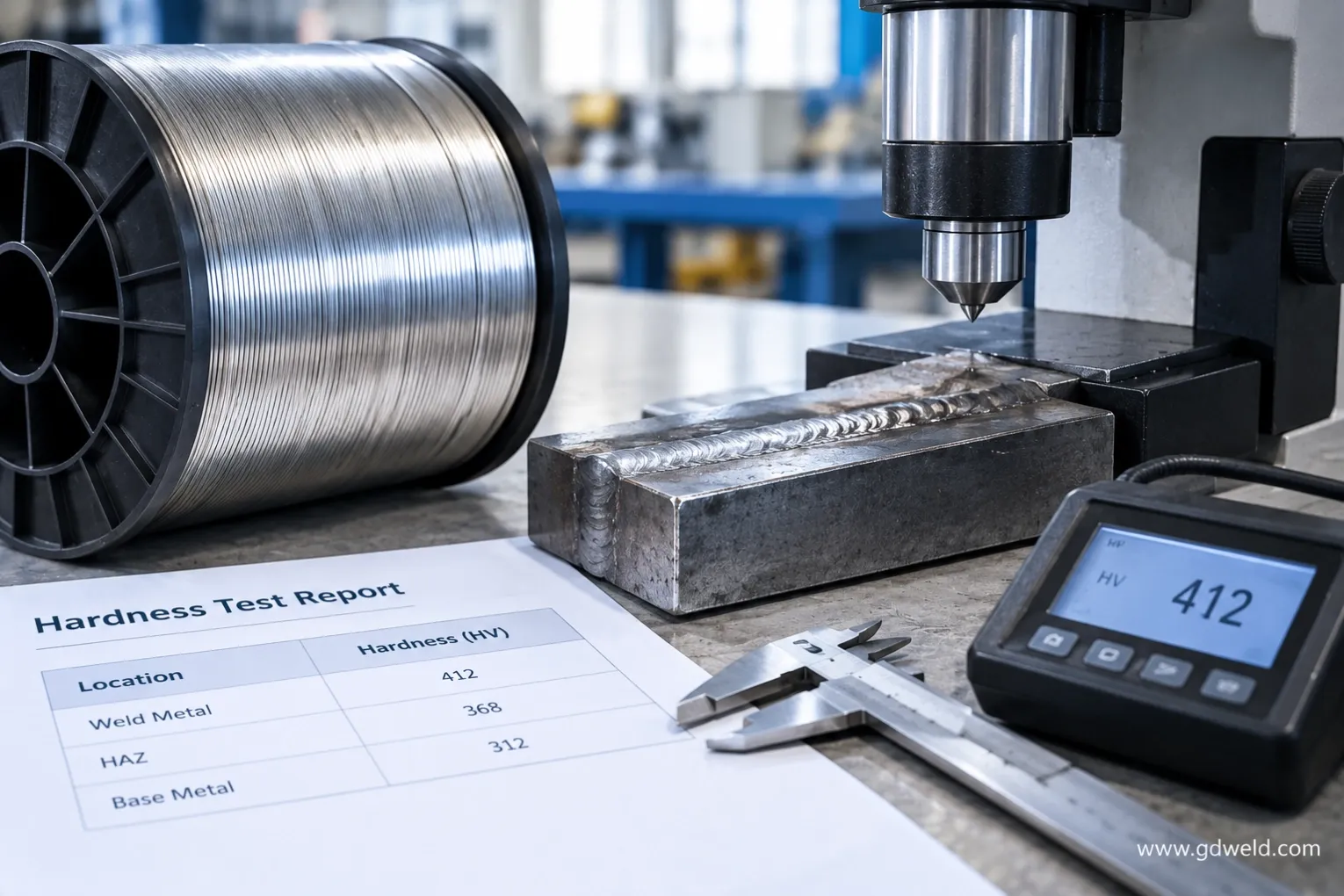
Poor-quality wires often cut corners on micro-alloying elements. The result is a coarse grain structure that passes a static tensile test but fails under the dynamic load of a Charpy impact test. Research has shown that microalloying elements such as Ti and TiB₂ can refine grain structure significantly — in some cases achieving up to 46% grain refinement, which directly improves toughness and reduces cracking susceptibility.
For high-strength steel applications, the difference between passing and failing low-temperature impact tests often comes down to the Ti-B micro-alloy formula. Titanium and boron work together to promote acicular ferrite formation — a fine, interlocking microstructure that resists brittle fracture. Wires with imprecise or inconsistent micro-alloy control cannot deliver this reliably.
Real-World Risk: Where This Matters Most
The consequences of poor low-temperature impact toughness are not theoretical. They show up in:
- Mobile crane construction — where cold-weather operation is routine
- Mining equipment — subject to heavy dynamic loads in harsh environments
- Offshore structures — where -40°C toughness is often a specification requirement
- Pressure vessel fabrication — where impact resistance is mandatory for safety certification
As one industry example, high-strength solid wires designed for 690 MPa yield strength base materials are now required to guarantee impact properties down to -40°C for critical applications. Similarly, leading manufacturers are introducing wires specifically engineered to deliver at least 47 Joules at -50°C for yellow goods and mobile machinery applications. These are not optional specifications — they are becoming the new standard.
3 Steps to Fix Low-Temperature Impact Failure
1. Verify Guaranteed Charpy Values
Do not assume that a wire meeting AWS tensile requirements will automatically pass low-temperature impact tests. Check the manufacturer's guaranteed Charpy V-notch values at your required temperature (-20°C, -40°C, or lower). Reputable suppliers will provide these data. Demand them.
2. Stabilize Heat Input — Avoid Overheating
Even a good wire can fail if welding parameters are not controlled. Excessive heat input promotes grain growth in the weld metal and heat-affected zone, directly undermining low-temperature toughness. Key guidelines:
- Maintain consistent interpass temperature
- Avoid excessive t8/5 cooling times
- Match your heat input to the wire manufacturer's recommendations
3. Choose Ti-B Micro-Alloyed Wires
Not all high-strength solid wires are created equal. The most reliable products use a precise Ti-B micro-alloy formula to control grain structure. This is not a marketing claim — it is metallurgical fact. Proper Ti-B addition promotes the formation of acicular ferrite, which delivers both high strength and excellent low-temperature impact resistance.
Batch-to-Batch Stability Matters
One of the most overlooked factors in welding consumables is consistency. You may test one spool and get good results. But what about the next spool? The next batch? The next shipment?
High-quality wire manufacturers implement strict process control to ensure batch-to-batch stability. This means:
- Tight control of trace elements (S, P, O, N)
- Consistent micro-alloy addition (Ti, B, Nb, V)
- Reliable mechanical properties from spool to spool
Without this, you are gambling with your weld quality — and your reputation.
Case in Point: What "Good" Low-Temperature Impact Looks Like
For context, a typical ER70S-6 grade wire delivering good low-temperature performance shows Charpy impact values of 131 J at 0°C, 111 J at -20°C, 91 J at -30°C, and 63 J at -40°C. Higher-strength wires face even tighter requirements. For ultra-high-strength applications (960 MPa grade and above), -40°C impact values of 63 J may be considered borderline insufficient, prompting wire manufacturers to develop optimized compositions with improved plasticity and toughness.
The standard is rising. Your wire supplier should be keeping pace.
Download Full Test Reports
When your application demands guaranteed low-temperature impact performance, you need more than a datasheet. You need verifiable, test-backed results.
GD-WELD high-strength solid wires — including ER80S-D2, ER90S-D2, ER100S-G, and ER110S-G — are engineered with precise Ti-B micro-alloy control to deliver stable batch-to-batch low-temperature impact performance. Full test reports are available upon request.
FAQs
Q: Why does my ER100S-G pass tensile but fail Charpy impact?
A: Tensile and impact tests measure different properties. A wire with coarse grain structure may have sufficient strength but poor toughness under dynamic loading at low temperatures. This is typically caused by inadequate micro-alloy control.
Q: What is the role of Ti-B in high-strength welding wires?
A: Titanium and boron work together to promote acicular ferrite formation — a fine, interlocking microstructure that provides both strength and low-temperature impact resistance.
Q: What Charpy impact value is acceptable for offshore applications?
A: Requirements vary by specification, but many offshore and critical applications demand 47 J or higher at -40°C or even -50°C.
Q: Can I improve impact toughness by adjusting welding parameters?
A: Yes, to some extent. Lowering heat input and controlling interpass temperature can help minimize grain growth. However, if the wire itself lacks proper micro-alloy control, process adjustments alone cannot compensate.