Aug 16, 2026
How Batch-to-Batch Performance Fluctuation Hurts Your High-Strength Welding
Same AWS grade but different batch — ER80S-D2 welds fail requalification? Learn how loose chemical tolerance causes performance fluctuation and how narrow-tolerance wires ensure consistency
How Batch-to-Batch Performance Fluctuation Hurts Your High-Strength Welding
The Hidden Problem: Same AWS Grade, Different Results
You qualified a welding procedure with one batch of ER100S-G. Tensile tests passed. Charpy impact passed. Everything looked good.
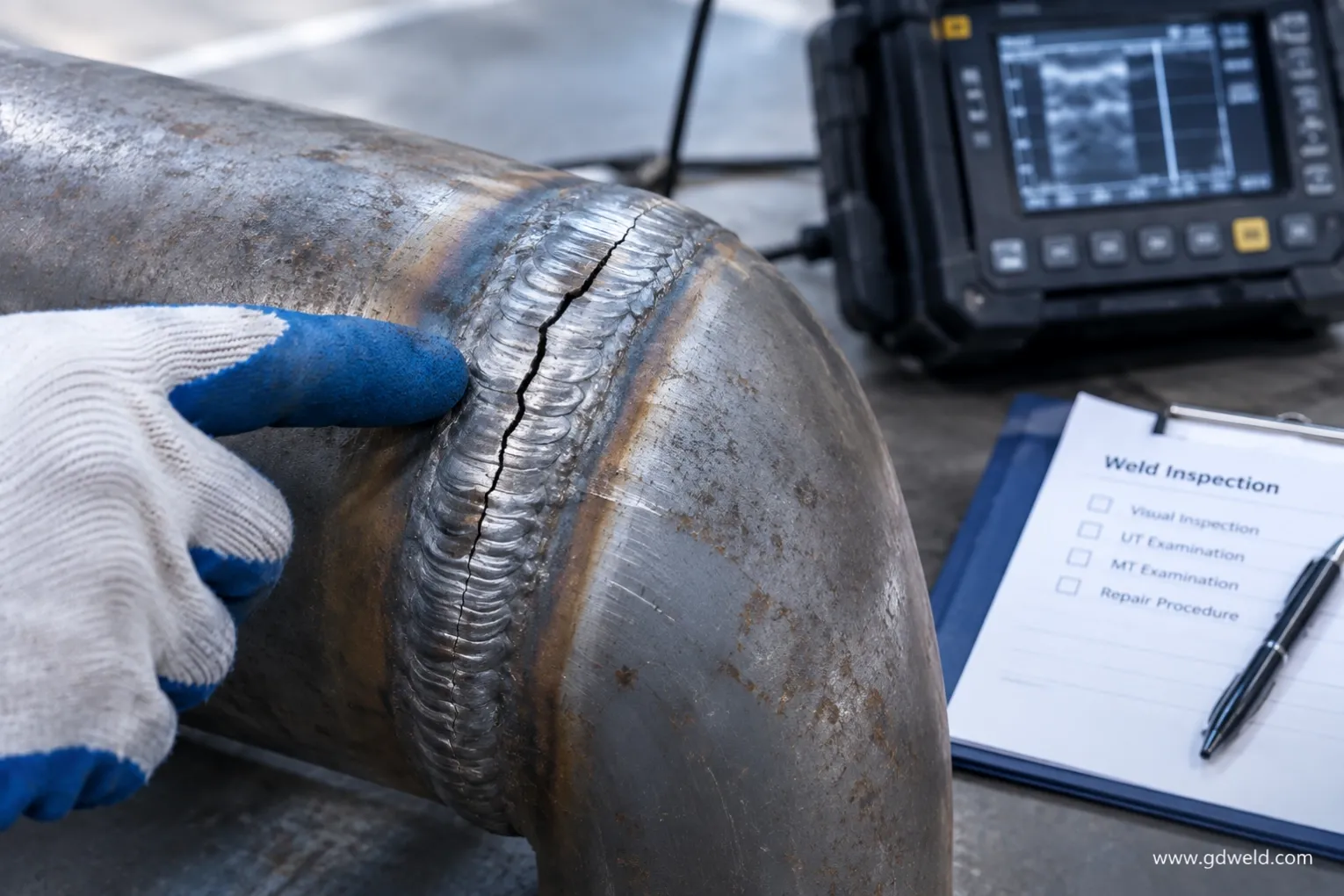
You ordered the same AWS grade for production. The new batch arrives. You weld the same material with the same parameters. The results are different. Tensile is lower. Impact is borderline. Your procedure qualification is no longer valid.
This is not an isolated incident. It is a widespread problem that fabricators face when working with high-strength solid wires like ER80S-D2, ER90S-D2, ER100S-G, and ER110S-G.
The worst part? The wire meets the AWS specification in both batches. Yet the performance is different. How is this possible?
Why It Happens — Unstable Raw Materials and Loose Chemical Tolerances
AWS specifications define a chemical composition range for each wire grade — not a single target value. This range can be surprisingly wide.
Take ER100S-G as an example. The AWS A5.18 specification allows significant variation in key alloying elements. One batch could be on the lower end of the range. The next batch could be on the upper end. Both are "certified" to the same grade.
Here is the critical problem: high-strength wires are highly sensitive to chemical composition changes.
Element | Effect on Weld Metal |
|---|---|
Mn (Manganese) | Increases strength and hardness; affects deoxidation |
Ni (Nickel) | Improves toughness and low-temperature impact resistance |
Mo (Molybdenum) | Increases strength and hardenability; affects cracking risk |
Si (Silicon) | Affects deoxidation and weld pool fluidity |
Cr (Chromium) | Increases strength and corrosion resistance |
Ti (Titanium) + B (Boron) | Controls grain structure and toughness |
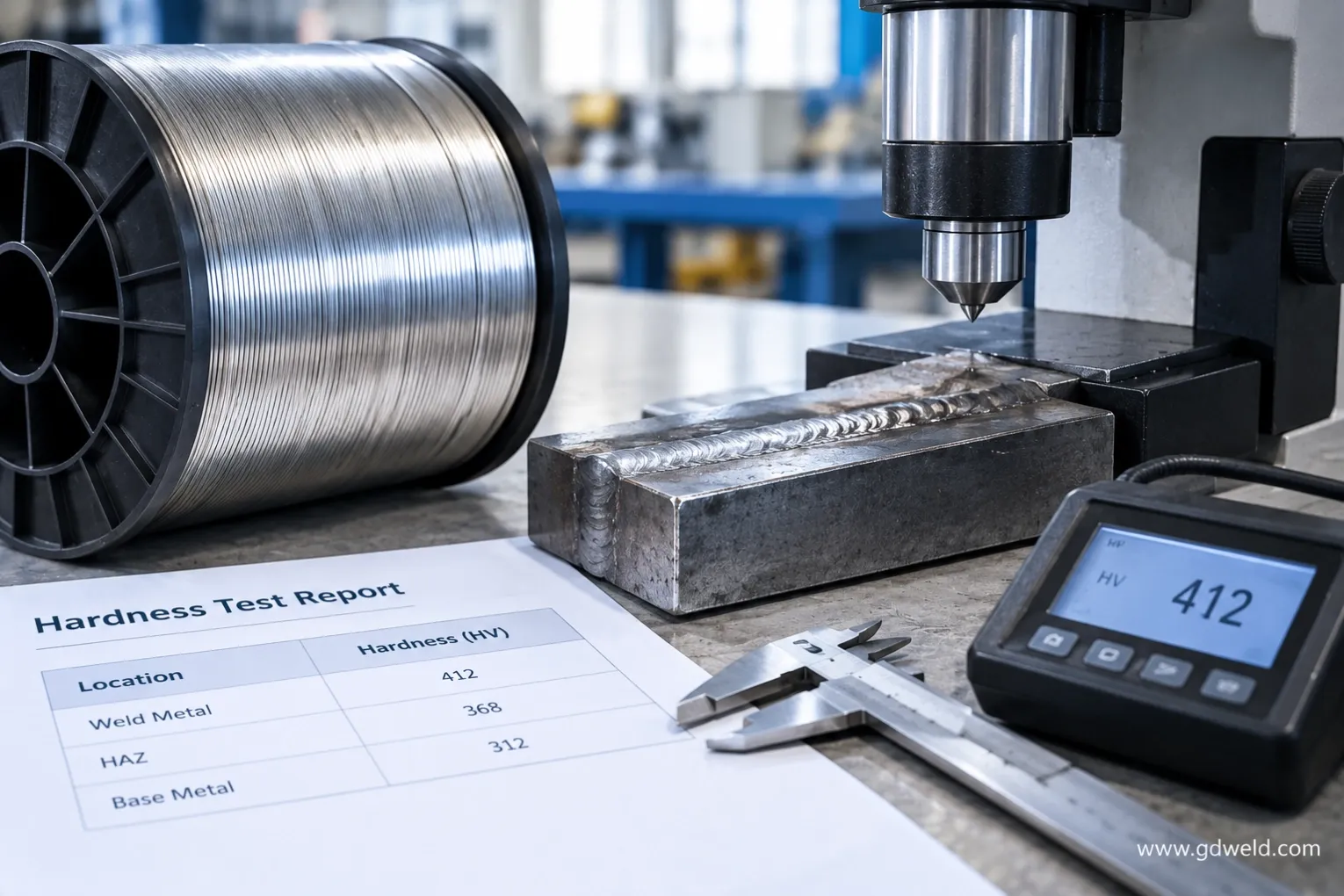
A slight deviation in any of these elements can shift the weld metal's tensile strength by 50 MPa or more. Impact toughness can drop by 10-20 Joules. The result is a weld that no longer meets your qualified procedure requirements.
The High Cost of Batch Variation
Repeated Procedure Qualification
When a new batch performs differently, you cannot simply assume it is acceptable. For critical applications, you must:
- Re-qualify the welding procedure
- Re-test mechanical properties (tensile, impact, bend)
- Update documentation for the new batch
This process can take weeks and costs thousands of dollars per qualification.
Project Delays and Rework
Batch variation does not just affect qualification — it affects production. If the new batch produces welds with different characteristics, you may need to adjust welding parameters, modify preheat or interpass temperatures, or even rework completed welds.
All of this adds time to your project timeline. Customers do not pay for delays.
Inconsistent Weld Quality
Beyond cost and time, batch variation creates a more fundamental problem: inconsistent quality.
When you cannot predict how a wire will perform, you cannot control your process. This unpredictability is dangerous in safety-critical applications like cranes, pressure vessels, and offshore structures.
Which Elements Matter Most — And Why
Not all chemical elements affect weld performance equally. For high-strength solid wires, the most critical elements are:
Nickel (Ni): The primary toughness enhancer. A 0.5% variation in Ni can change Charpy impact values by 15-20 J at -40°C. Wires with low Ni may pass tensile but fail low-temperature impact tests.
Manganese (Mn): The primary strength and deoxidation element. Mn affects both tensile strength and weld metal cleanliness. Too little Mn reduces strength; too much increases hardness and cracking risk.
Molybdenum (Mo): Essential for high-strength grades. Mo provides strengthening but also increases hardenability. Variation in Mo can shift the weld metal's strength-hardness balance.
Titanium and Boron (Ti-B): The grain refiners. Ti-B additions promote acicular ferrite — the microstructure that provides both strength and toughness. Inconsistent Ti-B control leads to grain coarsening and reduced impact resistance.
How to Prevent Batch-to-Batch Performance Fluctuation
1. Partner with Suppliers Who Have Strict Raw Material Inspection
The first step to consistency is raw material control. Reputable suppliers:
- Source raw materials from qualified and stable suppliers
- Test every incoming batch of raw material
- Maintain strict chemistry specifications — tighter than AWS minimums
- Reject raw materials that do not meet internal standards
Without this foundation, no manufacturing process can produce consistent wire.
2. Choose Wires with Narrow Chemical Tolerances
AWS specifications are minimum requirements. Top-tier suppliers apply narrow internal tolerances.
Parameter | AWS Range | Quality Supplier Range |
|---|---|---|
Mn (ER100S-G) | 0.75-2.25% | 1.50-1.90% |
Ni (ER100S-G) | 0.80-2.50% | 1.40-2.00% |
Mo (ER100S-G) | 0.25-0.65% | 0.35-0.55% |
Narrow tolerances mean batch-to-batch variation is minimized. What you qualify with one batch is what you will get with the next.
3. Avoid Mixing Different Batches in Critical Structural Welding
For critical applications, implement a batch segregation policy:
- Maintain batch traceability from receipt to finished weld
- Use one batch for a given project or component
- Document batch usage in quality records
- If multiple batches must be used, re-qualify for each combination
This may be logistically challenging, but it is the only way to ensure consistent mechanical properties in production.
The Role of Full-Process Quality Control
Consistent wire does not happen by accident. It requires full-process quality control:
Stage | Control Point |
|---|---|
Raw material | Chemical composition testing, supplier qualification |
Wire drawing | Diameter tolerance, surface quality |
Annealing | Stress relief for consistent cast and helix |
Copper coating | Thickness and adhesion |
Spooling | Layer winding, tension control |
Final testing | Mechanical properties, chemical composition, cast/helix |
Each step must be documented and traceable. Without this, you are buying a product with unknown history — and unknown future performance.
GD-WELD high-strength solid wire series implements full-process quality control. Every batch of ER80S-D2, ER90S-D2, ER100S-G, and ER110S-G is tested strictly to ensure consistent welding performance. Chemical composition is maintained within tight internal tolerances, and mechanical properties are verified on every batch.
Get Consistent, Reliable Welding Performance
Batch-to-batch consistency is not a luxury. It is a requirement for high-strength welding — especially when procedures are qualified, customers demand traceability, and safety depends on predictable performance.
With GD-WELD, you get:
- Narrow chemical tolerances — tighter than AWS requirements
- Full-process quality control from raw material to finished spool
- Batch test reports with every shipment
- Consistent tensile, impact, and hardness across all batches
Contact us for batch test reports and see the difference consistent quality makes.
FAQs
Q: Can the same AWS grade have different mechanical properties in different batches?
A: Yes. AWS specifications define a range for each element, not a fixed target. One batch on the lower end of the range and another on the upper end can show significant differences in tensile, impact, and hardness.
Q: Do I need to re-qualify my procedure for every new wire batch?
A: For critical applications, yes. If the new batch falls within your qualified procedure's acceptable range, you may not need full re-qualification. However, you should verify mechanical properties for each new batch. Many codes require a new procedure qualification when the consumable batch changes.
Q: Which elements cause the most batch-to-batch performance variation?
A: Nickel (Ni), manganese (Mn), molybdenum (Mo), and the Ti-B system have the largest impact on strength and toughness. Even small deviations can shift weld metal properties significantly.
Q: How do I verify batch consistency from a supplier?
A: Request mill test reports for each batch. Look for chemical composition values and compare them across multiple batches. A supplier with tight internal tolerances will show minimal variation.
Q: What if I must use two different batches on the same project?
A: Segregate batches by welding sequence or component. Document which batch was used for which weld. If the same weld joint requires multiple batches, you may need to re-qualify the combination.
Q: How does GD-WELD ensure batch-to-batch consistency?
A: GD-WELD controls the entire production process — from raw material inspection to final spooling. Every batch is tested for chemical composition and mechanical properties, and maintained within narrow internal tolerances significantly tighter than AWS requirements.