Oct 25, 2026
What Is E6011 Welding Rod Used For? Applications and Limitations
What is E6011 welding rod used for? Learn its common applications, AC/DC+ compatibility, rust tolerance, welding limitations and key checks before buying.
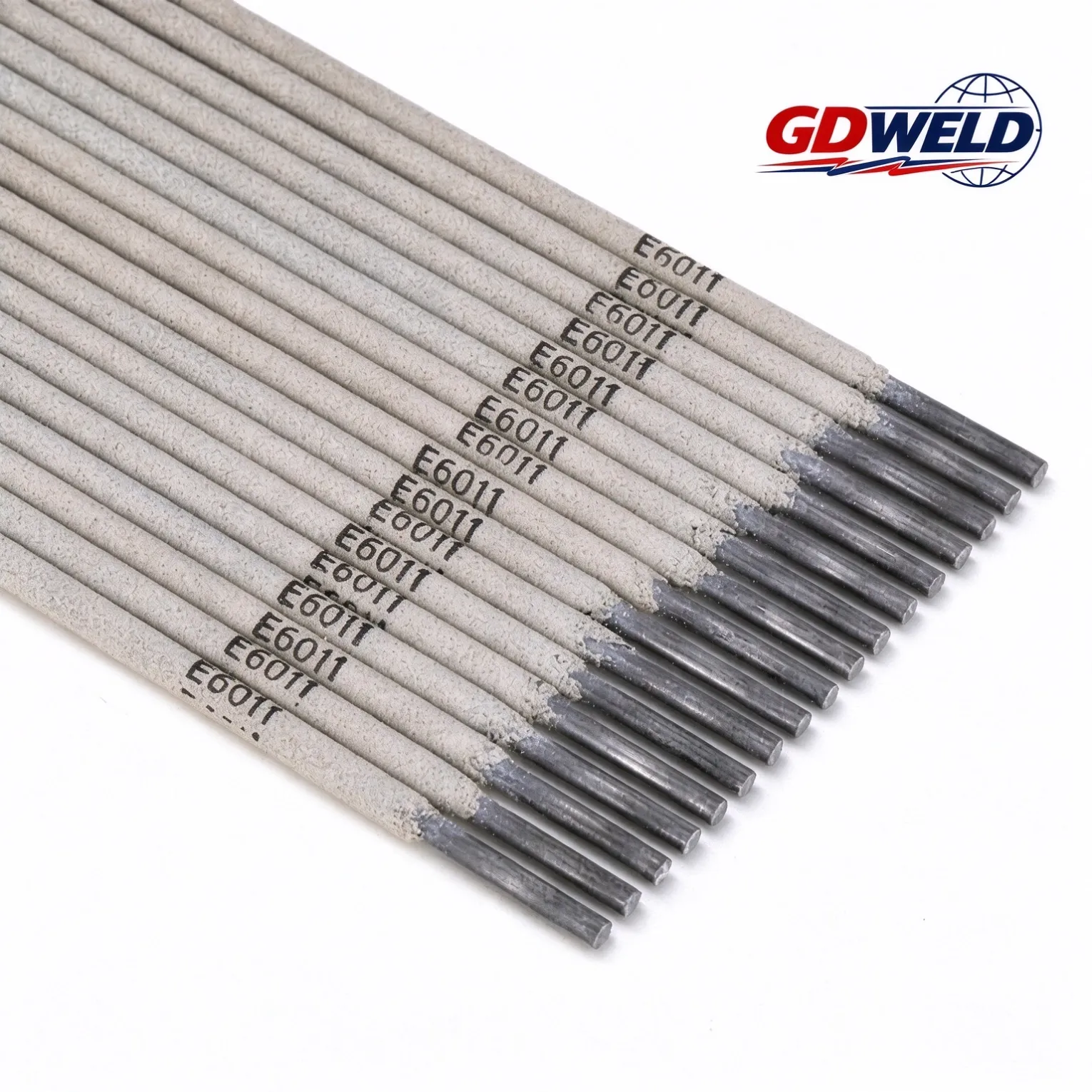
Need a welding rod for carbon steel repairs, thin plate or field maintenance? E6011 welding rods are commonly used for general carbon steel welding where strong penetration, a fast-freezing weld pool and AC/DC+ compatibility are important.
But choosing the wrong electrode can lead to burn-through, porosity or an unsuitable weld. Understanding where E6011 works best—and where it does not—is essential before selecting a product.
1. What Is E6011 Welding Rod Used For?
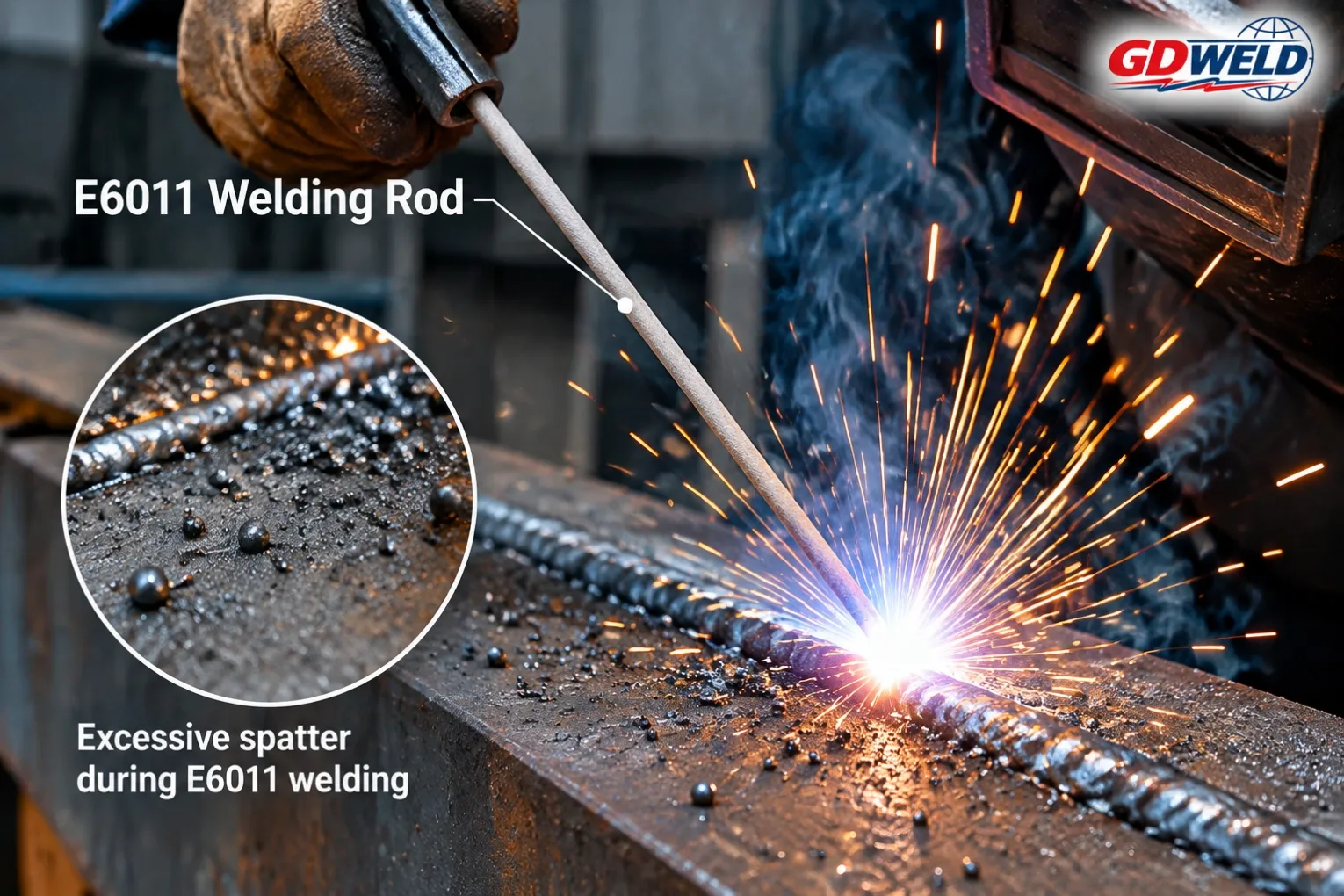
E6011 is a cellulosic covered electrode used for shielded metal arc welding (SMAW), also called stick welding.
Typical applications include:
- Carbon steel repair: Repairing compatible steel components, equipment and farm machinery.
- Field maintenance: Welding jobs where an AC-capable power source is available.
- Thin plate welding: Selected sheet-metal joints where electrode size, current and technique are properly controlled.
- General steel fabrication: Brackets, frames and other carbon steel components.
- Selected pipe welding: Pipe joints where E6011 is permitted by the approved welding procedure.
E6011 is particularly useful when welders need a forceful arc and the flexibility to use suitable AC or DC electrode-positive (DC+) power.
The exact application still depends on the base metal, joint design, welding position and project requirements.
2. Can E6011 Weld Rusty or Dirty Steel?
E6011 can tolerate some light rust and mill scale better than electrodes intended primarily for clean-surface welding. This makes it useful for certain maintenance and repair jobs.
However, rust tolerance does not mean surface preparation can be skipped.
Oil, grease, moisture, heavy rust and other contaminants can contribute to porosity or inconsistent weld quality. Remove contaminants around the joint and prepare the groove according to the welding procedure.
If the finished weld must meet structural, pressure-service or inspection requirements, follow the specified preparation and acceptance criteria rather than relying on the electrode's arc characteristics.
3. Is E6011 Suitable for Thin Metal?
E6011 can be used for selected thin-plate applications, but its relatively deep penetration requires careful control.
The main risk is burn-through, particularly when the material is very thin or the current is too high.
Before welding, check:
- Base-metal thickness and joint fit-up
- Electrode diameter
- Recommended current range
- Welding position and travel speed
- Whether the required weld profile can be achieved without excessive penetration
For thin sheet where a softer arc and smoother bead appearance are priorities, E6013 may be worth considering. The best choice depends on the joint and the required weld properties, not just plate thickness.
4. Why Do E6011 Welds Develop Porosity or Lack of Fusion?
Two common problems are porosity and incomplete fusion.
Porosity may result from excessive arc length, contaminated base metal or electrodes that have been stored improperly. Maintain a controlled short arc and follow the manufacturer's storage instructions.
Lack of fusion may occur when current is insufficient, travel speed is excessive or the electrode angle and manipulation do not provide adequate fusion at the joint edges.
If defects persist, review the welding parameters, joint preparation and technique before assuming that changing the electrode alone will solve the problem.
5. When Should You Choose E6011—and When Should You Not?
Job requirement | Selection guidance |
|---|---|
Carbon steel maintenance and repair | E6011 may be suitable if the material and procedure permit it |
Welding with an AC power source | Consider E6011 when the specific product supports AC |
Selected thin-plate joints | Check burn-through risk, electrode size and current |
Smooth cosmetic weld appearance | Compare E6011 with alternatives such as E6013 |
A specified pipeline root pass | Follow the qualified welding procedure and required electrode classification |
Critical or code-controlled welding | Verify the WPS, base metal, required properties and inspection criteria |
E6011 should not be selected solely because it offers deep penetration or AC compatibility. These features do not automatically make it suitable for every pipe, structural or pressure-service application.
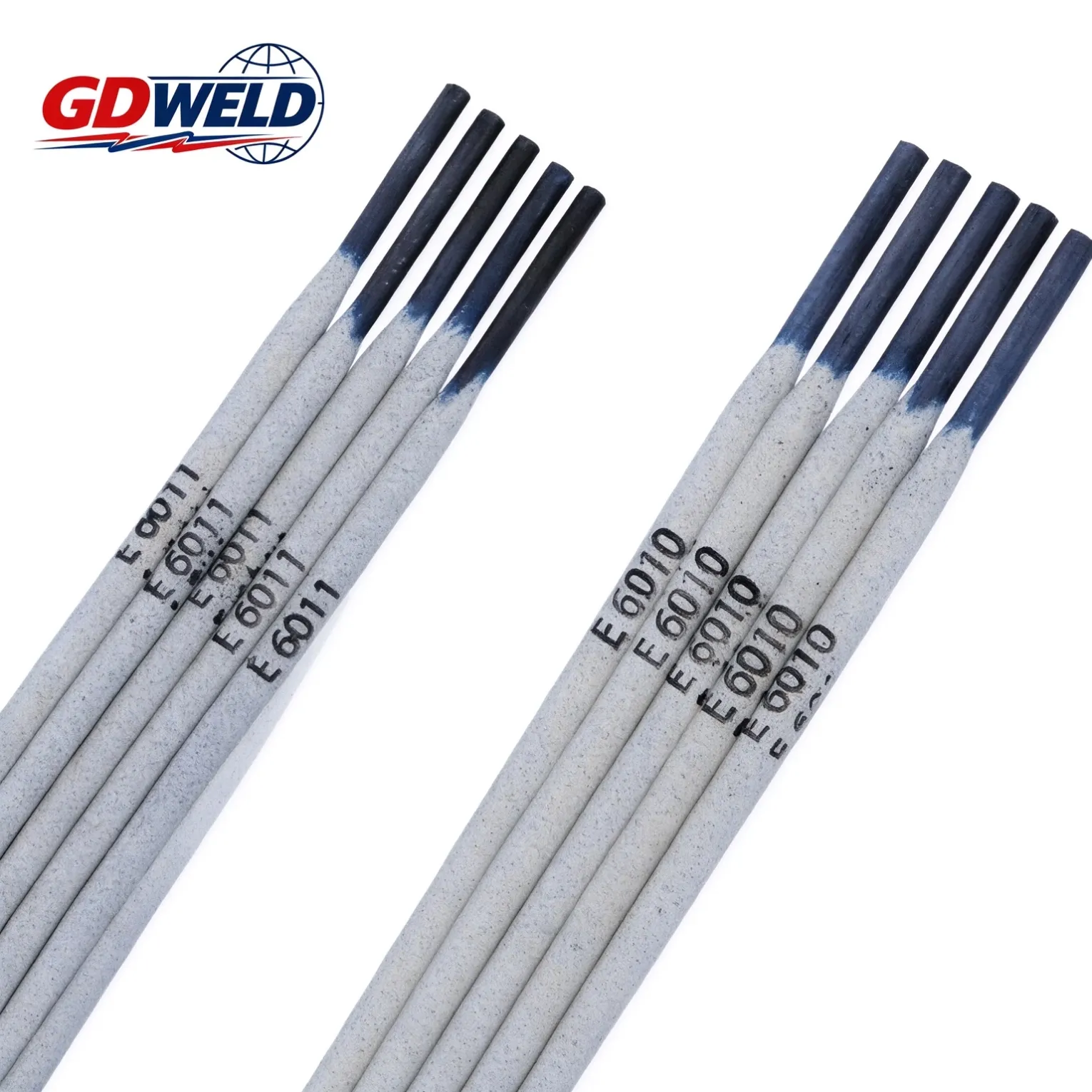
If you are deciding between E6011 and E6010 specifically for pipe welding, see our guide to E6011 vs E6010 Welding Electrodes for Pipe Welding.
6. What Should You Check Before Buying E6011 Welding Rods?
Before requesting a quotation, confirm the details that affect product suitability:
- Classification: Confirm AWS A5.1 E6011 requirements.
- Base metal: Provide the steel grade or applicable material specification.
- Electrode diameter: Match the size to the joint and welding conditions.
- Power source: Confirm AC or DC+ compatibility for the specific product.
- Application: State whether the job involves repair, fabrication, sheet metal or pipe welding.
- Documentation and packaging: Confirm the required technical documents, package size and order quantity.
These details help the supplier recommend an appropriate product instead of quoting on the electrode classification alone.
Request E6011 Welding Electrode Information
When requesting a quotation, provide your steel grade, electrode diameter, power source, application, required quantity and destination market.
Looking for E6011 welding rods for repair, fabrication or field maintenance? Contact GD WELD with your requirements to request product details and a quotation.