Oct 20, 2026
What Should You Check Before Buying E2209 Flux-Cored Wire for Duplex 2205?
What should you check before buying E2209 flux-cored wire for Duplex 2205? Review AWS classification, shielding gas, welding position and key purchasing requirements.
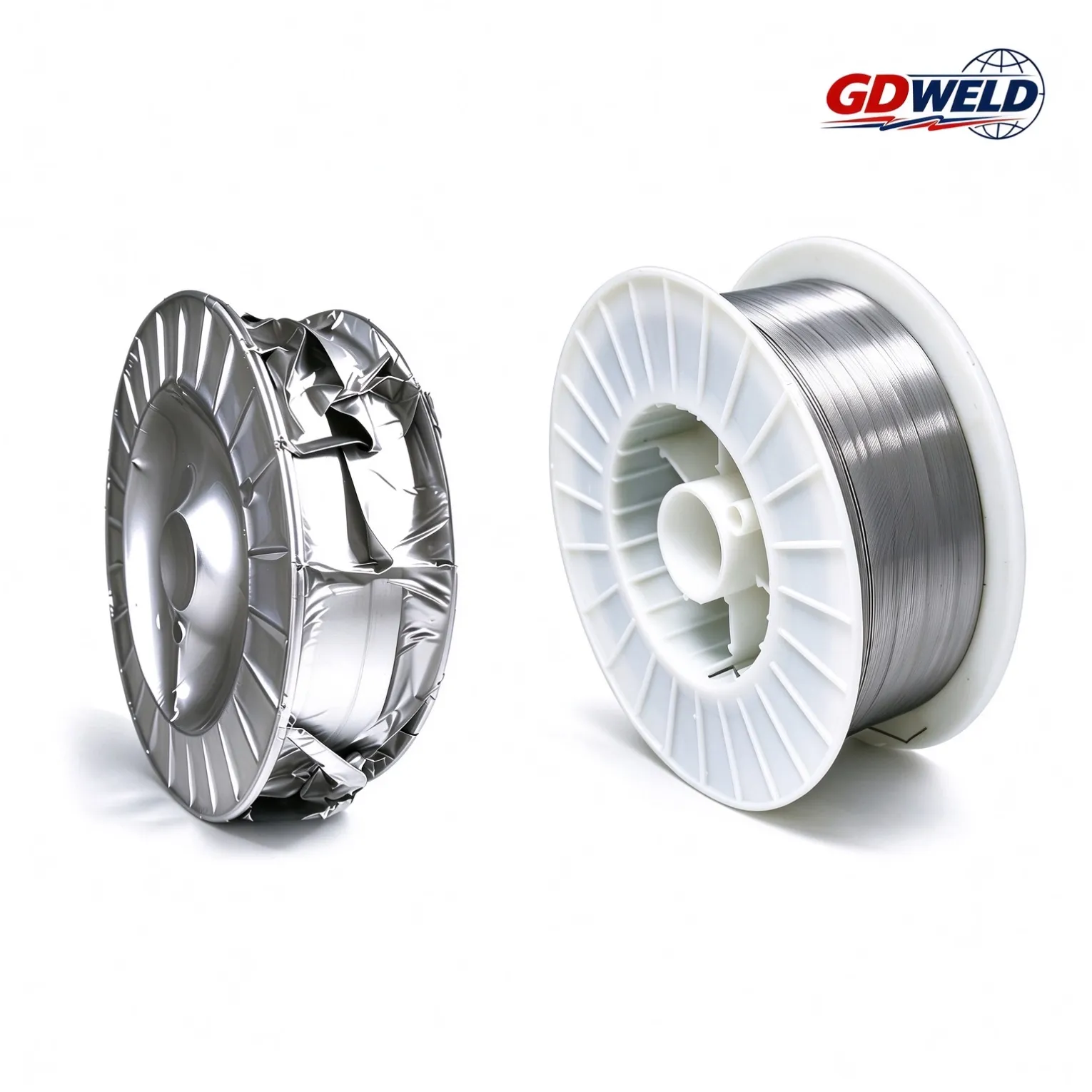
Choosing E2209 flux-cored wire for Duplex 2205 welding involves more than matching the alloy designation. Before ordering, confirm the AWS classification, shielding gas, wire diameter, required weld properties and applicable welding procedure.
1. Check the Complete AWS Classification
Start by confirming the full classification required by the project. E2209T1-1 and E2209T1-4 are examples of flux-cored wire classifications for duplex stainless steel welding, but their suffixes indicate different requirements.
Before purchasing, verify the applicable AWS A5.22 or ASME specification, the manufacturer's technical data sheet (TDS), and any required certification. Do not assume that different classifications are interchangeable simply because both use the E2209 designation.
2. Verify the Base Material and Application
E2209 flux-cored wire is commonly used for welding Duplex 2205, including materials designated UNS S31803 and S32205, when the consumable meets the project requirements.
Confirm the base-metal grade, material thickness, joint design and service environment. For pressure piping, offshore structures, chemical processing or seawater applications, check the specified mechanical properties, corrosion-resistance requirements and applicable acceptance criteria.
The alloy designation alone does not guarantee suitability for every service condition.
3. Confirm Shielding Gas, Welding Position and Wire Diameter
Shielding gas and operating characteristics depend on the exact product and classification. Depending on the manufacturer's specifications, E2209T1-1/-4 products may require CO₂ or an Ar-CO₂ mixture. Verify the required gas composition and polarity rather than assuming that all E2209 wires use the same settings.
Also check:
- Welding position: Confirm the positions approved for the specific product.
- Wire diameter: Match the available size to material thickness, joint access and equipment.
- Operating parameters: Follow the manufacturer's recommendations for current, voltage and wire-feed speed.
For product details, see GD WELD's E2209T1-1/-4 Duplex Stainless Steel Flux-Cored Welding Wire page and confirm the latest product TDS.
4. Review Weld Properties and WPS/PQR Requirements
For Duplex 2205 welding, confirm that the deposited weld metal meets the project's mechanical and corrosion-performance requirements. Where specified, review chemical composition, ferrite balance, impact toughness and corrosion-test results.
Heat input and interpass temperature can also affect duplex weld microstructure and performance, so follow the qualified welding procedure.
Before switching from ER2209 solid wire to E2209 flux-cored wire, check whether the change is covered by the approved WPS/PQR. Because the welding process and consumable classification differ, procedure review, requalification or customer approval may be required, depending on the governing code and project specification.
For a broader comparison of consumable types, read ER2209 vs E2209 for Duplex 2205: Solid Wire, Flux-Cored Wire, or Stick Electrode?.
5. What Information Should You Provide When Requesting a Quotation?
To help a supplier identify a suitable product, provide:
- Base material and grade
- Required AWS classification
- Shielding gas and welding position
- Wire diameter and order quantity
- Testing, certification and delivery requirements
Looking for E2209 flux-cored wire for Duplex 2205? Visit our E2209T1-1/-4 product page or contact GD WELD with your specifications and application requirements.