Oct 20, 2026
E308L-16 vs E316L-16 Welding Electrodes: Which Should You Choose?
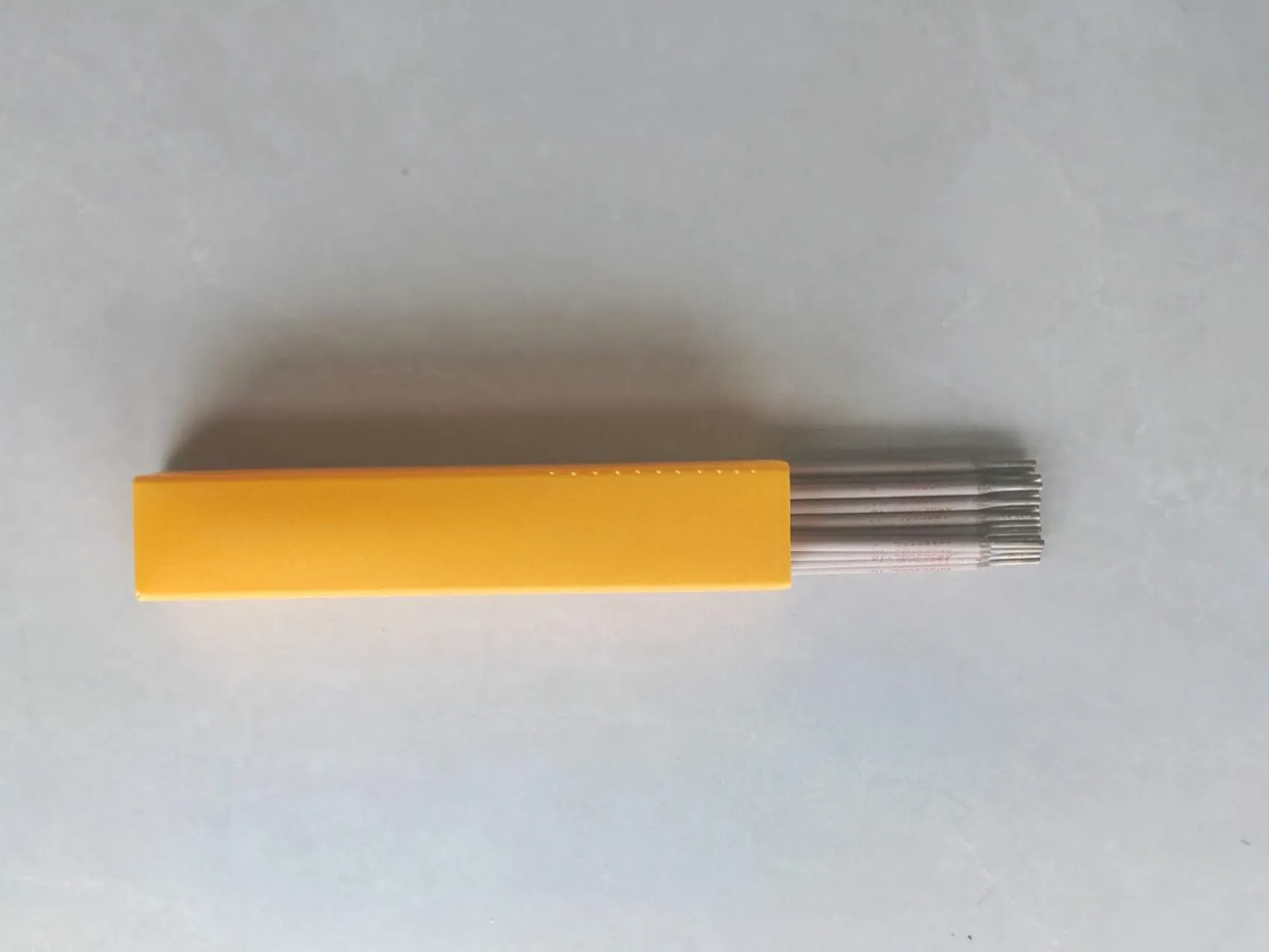
E308L-16 or E316L-16? Compare typical applications, molybdenum content and corrosion requirements before choosing a stainless steel welding electrode.
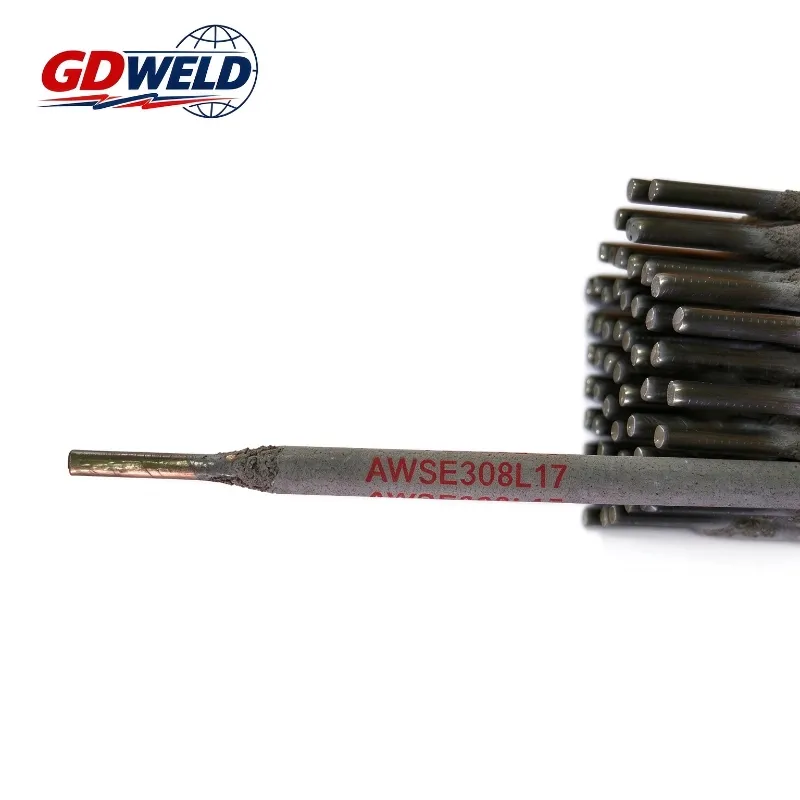
Quick answer: E308L-16 is commonly associated with compatible 304/304L stainless steel applications, while E316L-16 is generally selected for compatible 316/316L applications where molybdenum-bearing weld metal is required.
1. What Is the Difference Between E308L-16 and E316L-16?
The main difference is the weld-metal alloy composition.
Feature | E308L-16 | E316L-16 |
|---|---|---|
Alloy system | Chromium-nickel | Chromium-nickel-molybdenum |
Typical base metal | 304 / 304L | 316 / 316L |
Molybdenum | Not typically alloyed at 316L-type levels | Typically around 2–3% in deposited weld metal |
Main selection factor | General stainless steel fabrication | Applications requiring molybdenum-bearing weld metal |
Process | SMAW (stick welding) | SMAW (stick welding) |
Confirm the complete AWS A5.4 classification and actual product specifications with the manufacturer's technical data sheet (TDS).
2. When Should You Choose E308L-16?
E308L-16 is commonly selected for compatible 304 and 304L stainless steel fabrication.
Typical applications include:
- Stainless steel tanks, piping and fabricated components
- Food-processing equipment
- General stainless steel fabrication where 308L-type weld metal meets the project requirements
Before ordering, confirm the base-metal grade and ensure the selected electrode matches the approved welding procedure.
For a related product, see GD WELD's E308L-17 Stainless Steel Welding Electrode. E308L-17 is a different AWS classification, not an automatic substitute for E308L-16.
3. When Should You Choose E316L-16?
E316L-16 is commonly selected for compatible 316 and 316L stainless steel applications.
Its molybdenum-bearing weld metal can improve resistance to pitting and crevice corrosion in certain environments, including some chloride-containing service conditions.
Consider E316L-16 when:
- Welding compatible 316/316L stainless steel
- The project specifies molybdenum-bearing weld metal
- Pitting resistance is an important design consideration
However, E316L-16 does not guarantee resistance to every corrosive environment. Actual performance depends on service conditions, weld quality, surface condition and project requirements.
4. What Should You Check Before Buying?
Before purchasing a stainless steel welding electrode, confirm:
- Base material: Is it 304/304L, 316/316L or another grade?
- AWS classification: Does the full classification match the project specification?
- Corrosion requirements: Is molybdenum-bearing weld metal required?
- WPS/PQR: Is the electrode covered by the qualified welding procedure?
- Documentation: Are the required TDS, certificates and test records available?
For specified dissimilar-metal joints, GD WELD also offers E309L-16 Stainless Steel Welding Electrode. For selected applications involving molybdenum-bearing stainless steel or 316/316L clad steel, see E309Mo-16 Stainless Steel Welding Electrode. These are different classifications intended for different applications; select them only when the base materials and qualified procedure support their use.
Final Recommendation
Choose E308L-16 for suitable 304/304L applications and E316L-16 when compatible 316/316L materials or project requirements call for molybdenum-bearing weld metal.
The right electrode should match the base material, corrosion requirements and qualified welding procedure—not simply the lowest purchase price.
Looking for stainless steel welding electrodes? Contact GD WELD with your base-metal grade, required AWS classification, electrode diameter, order quantity and application to discuss product availability and documentation.