Oct 20, 2026
How to Choose the Right Welding Electrode for Different Base Metals
Not sure which welding electrode matches your base metal? Learn how to select electrodes for carbon steel, stainless steel, low-alloy steel and cast iron.
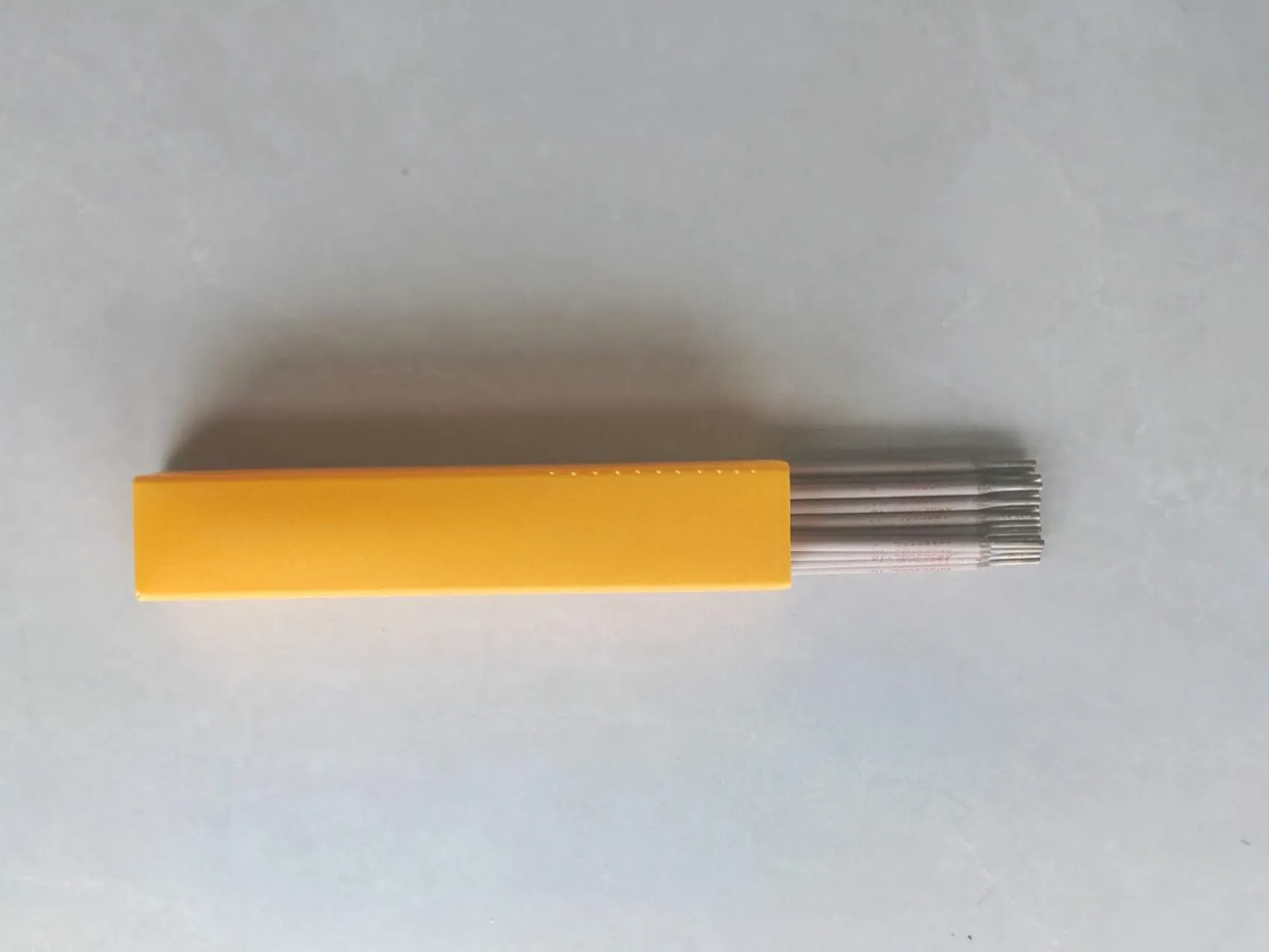
Which welding electrode is right for your base metal?
The answer depends on more than the material name. You also need to consider weld strength, corrosion resistance, service conditions and the approved welding procedure.
Follow these four steps to make a more informed choice.
1. Identify Your Base Metal
Start with the exact material grade and specification.
- Carbon steel: Check the required weld strength and toughness. E6013 and E7018 are common options for different applications.
- Stainless steel: Match the electrode to the stainless grade and corrosion requirements.
- Low-alloy steel: Check alloy composition, mechanical properties and heat-treatment requirements.
- Cast iron: Consider cracking risk, repair conditions and required machinability.
A general material name is not enough. If the grade is unknown, check the material certificate before ordering.
2. Check the Required Weld Properties
The strongest electrode is not always the right choice.
Depending on the application, consider:
- Tensile strength and impact toughness
- Ductility and hardness
- Corrosion resistance
- Requirements after post-weld heat treatment (PWHT)
For structural and pressure equipment, follow the applicable material specification, construction code and qualified welding procedure.
3. Match the Electrode to the Application
For stainless steel, the base-metal grade is an important starting point.
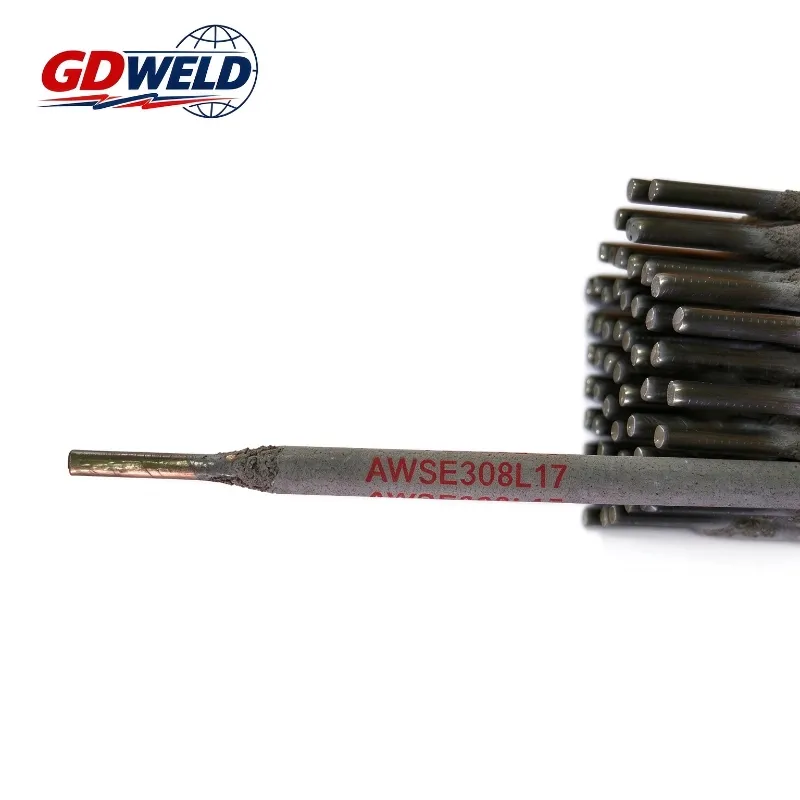
- 304/304L: E308L-type electrodes are commonly used for compatible applications.
- 316/316L: E316L-type electrodes are generally considered when molybdenum-bearing weld metal is required.
- Dissimilar-metal joints: E309L-type electrodes may be suitable for certain material combinations.
These classifications are not automatically interchangeable. The final choice depends on the base metals, service conditions and qualified welding procedure.
See GD WELD's E309L-16 Stainless Steel Welding Electrode for a related product used in specified dissimilar-metal applications.
For low-alloy steel, the correct low alloy steel welding electrode may also depend on operating temperature, preheat and PWHT requirements. For a specific example, read our P22 Steel Welding Consumables Selection Guide.
4. Confirm the AWS Classification Before Ordering
Before purchasing, verify the complete AWS electrode classification and check that the product meets your project requirements.
Use this checklist:
- Base-metal grade and material specification
- Required AWS classification
- Welding process and electrode diameter
- Preheat and PWHT requirements, where applicable
- Technical data sheet (TDS) and required certificates
- Order quantity and delivery requirements
Also confirm that the consumable is suitable for the approved welding procedure. A covered electrode for shielded metal arc welding (SMAW) is not automatically interchangeable with a solid wire for gas metal arc welding (GMAW).
Conclusion
Effective welding electrode selection starts with the correct base-metal grade and continues with weld properties, alloy compatibility and AWS classification.
Need help choosing a welding electrode for your application? Send GD WELD your material specification, required classification, diameter and application to discuss suitable products and documentation.
GD WELD supplies specialty welding consumables for demanding industrial applications.