Oct 22, 2026
Why Does My Duplex 2205 Flux-Cored Weld Fail Corrosion Tests?
Why does a Duplex 2205 flux-cored weld fail corrosion tests? Learn how to investigate weld chemistry, phase balance, slag inclusions and surface contamination.
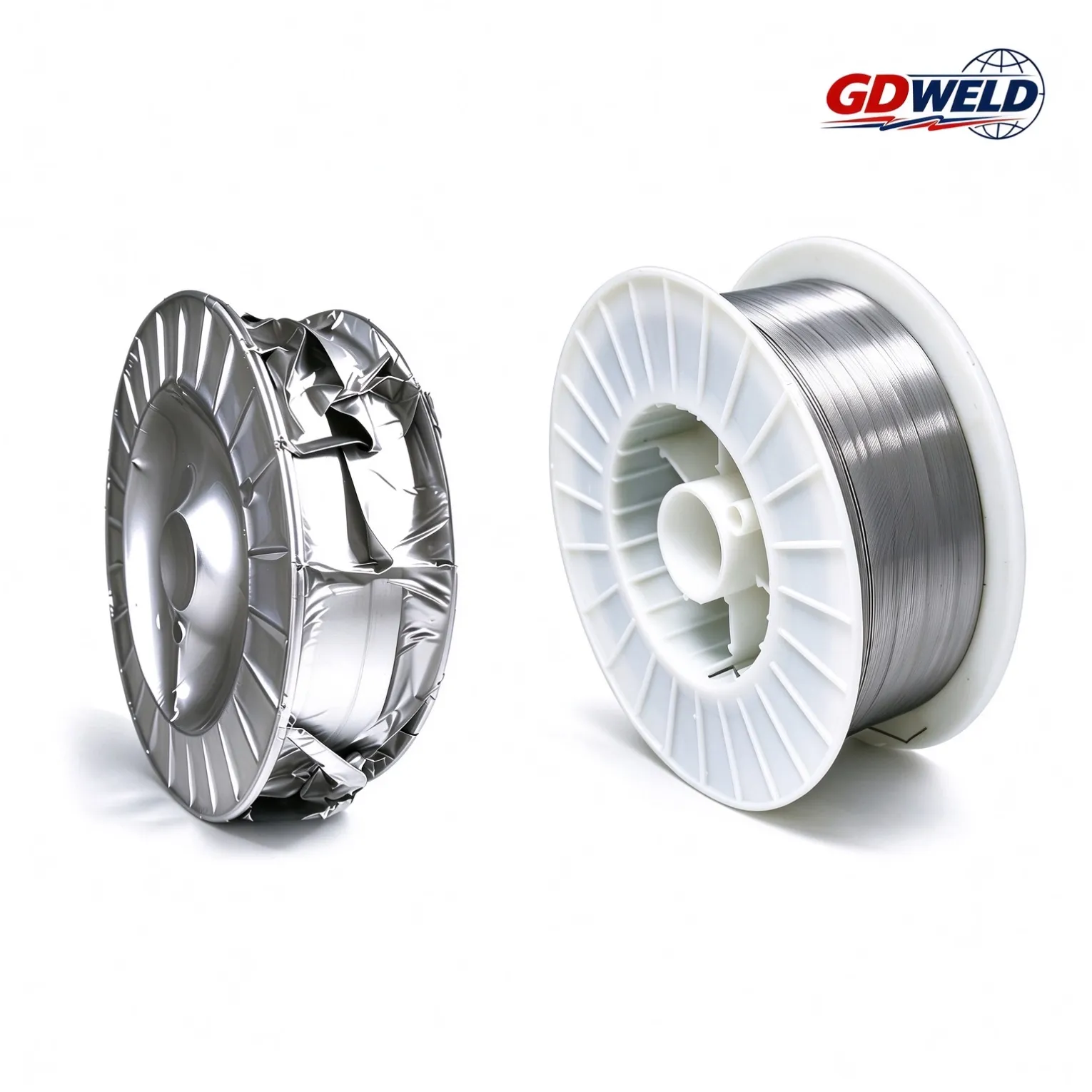
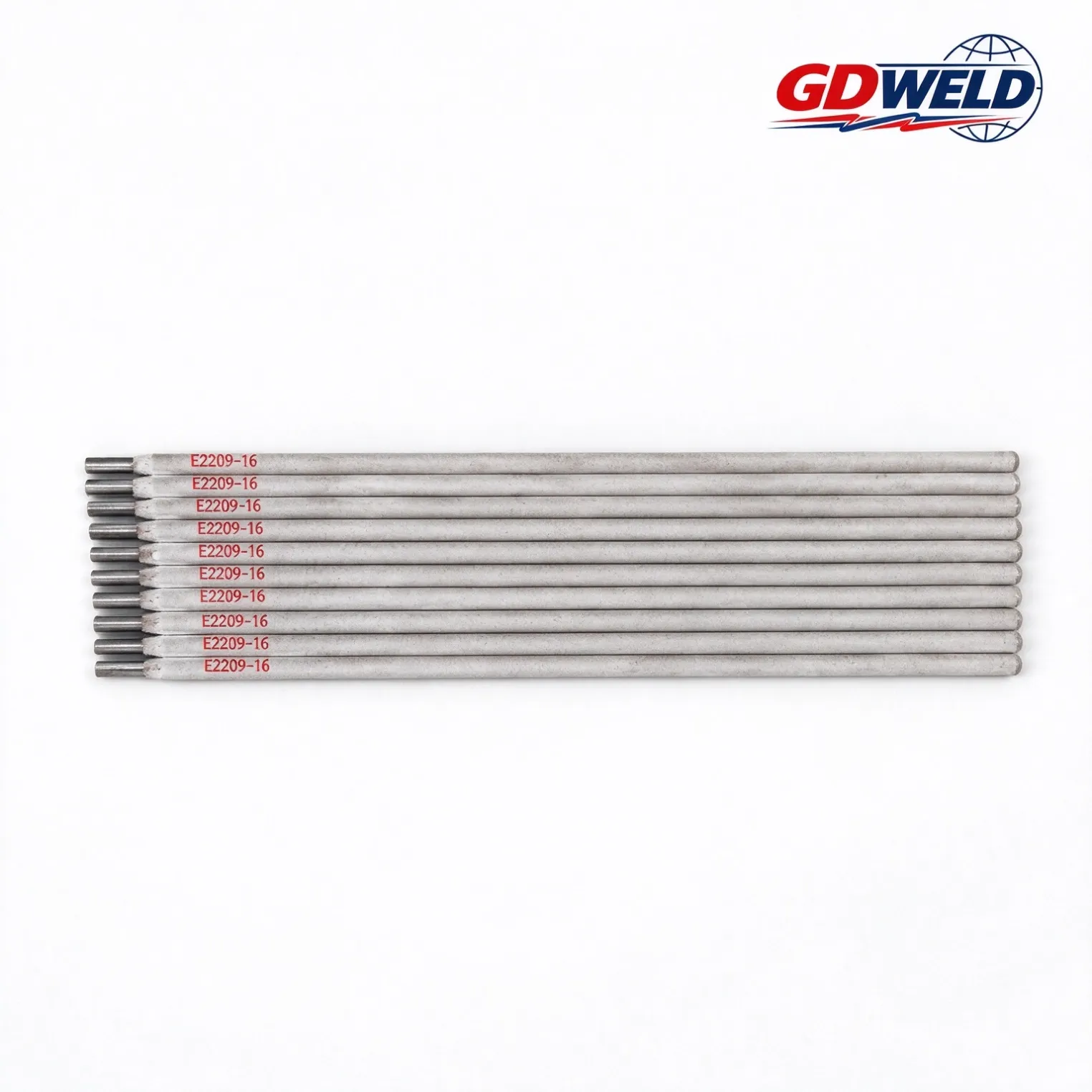
Why does a Duplex 2205 weld made with flux-cored wire fail a corrosion test, even when the correct E2209 filler metal is used?
The cause may involve weld-metal chemistry, microstructure, slag inclusions, welding conditions or surface contamination. Replacing the wire without identifying the failure mechanism may not solve the problem.
Before changing consumables, check these five areas.
1. Check Weld-Metal Chemistry and PREN
Duplex 2205 relies on chromium, molybdenum and nitrogen for corrosion resistance. The deposited weld metal must meet the applicable project requirements.
A commonly used estimate for pitting resistance is:
PREN = %Cr + 3.3 × %Mo + 16 × %N
A higher Pitting Resistance Equivalent Number (PREN) generally indicates greater potential resistance to pitting corrosion. However, PREN alone cannot guarantee that a weld will pass a specific corrosion test.
What to check:
- Deposited weld-metal chemical composition
- E2209 wire classification and material certificate
- Base-metal dilution and shielding gas requirements
If the chemistry fails the specification, investigate the filler metal and welding procedure before selecting a replacement.
2. Review Heat Input and Phase Balance
Duplex 2205 needs a suitable balance of ferrite and austenite to achieve its intended properties.
Cooling too quickly can limit austenite formation. Excessive thermal exposure may promote harmful secondary phases under certain conditions. These microstructural changes can affect corrosion resistance.
What to check:
- Heat input and travel speed
- Interpass temperature
- Welding sequence and repeated thermal cycles
- Ferrite content or microstructure, when required
Compare actual welding conditions with the qualified welding procedure (WPS). The appropriate parameters depend on joint design, material thickness and project requirements.
3. Check Slag Removal and Weld Defects
Flux-cored arc welding produces slag that must be removed between passes.
Incomplete slag removal can leave slag inclusions or crevice-like defects. Research on duplex stainless steel flux-cored welds has also investigated how inclusions and microstructural changes can influence localized corrosion.
What to check:
- Complete slag removal after every pass
- Cleaning around weld toes and narrow grooves
- Visible inclusions, lack of fusion or surface defects
- Complete defect removal before repair welding
If inclusions are suspected, inspect the weld and confirm their location. Do not assume that slag is responsible for every corrosion-test failure.
4. Inspect Heat Tint and Surface Contamination
Even when weld-metal chemistry is acceptable, surface oxidation or contamination can affect corrosion performance.
Heat tint, oxide scale, iron contamination and embedded particles should be investigated when a weld fails its specified corrosion test.
What to check:
- Oxide scale and discoloration around the weld
- Contamination from tools or abrasives
- Weld spatter and surface defects
- Compliance with post-weld cleaning requirements
Follow the specified cleaning, pickling or passivation procedure where required. Surface treatment cannot correct unsuitable weld chemistry or microstructure.
5. Investigate Repair Welding and Test Conditions
Repeated repair welding exposes the same area to additional thermal cycles. If defects are not fully removed, the repaired region may retain imperfections or develop an unsuitable microstructure.
Test preparation can also influence the result. Confirm the test method, specimen location, surface preparation and acceptance criteria before deciding that the consumable is at fault.
Test finding | What to investigate |
|---|---|
Weld chemistry fails requirements | Deposited-metal analysis and wire certification |
Ferrite or microstructure is outside requirements | WPS and thermal history |
Slag inclusions or weld defects are found | Interpass cleaning and repair technique |
Oxidation or contamination is present | Surface preparation and cleaning |
Results vary between specimens | Sampling, specimen preparation and test repeatability |
These checks are starting points, not definitive diagnoses. Follow the applicable project specification and corrosion-test standard.
Choosing the Right E2209 Flux-Cored Wire
For Duplex 2205 fabrication, the filler metal must be compatible with the base material, welding process and service requirements.
If you are comparing solid wire, flux-cored wire and stick electrodes, read ER2209 vs E2209 for Duplex 2205: Solid Wire, Flux-Cored Wire, or Stick Electrode?.
Conclusion
Poor corrosion resistance in a Duplex 2205 flux-cored weld does not automatically mean the welding wire is defective.
Check weld chemistry, phase balance, slag inclusions, surface condition and repair history before changing consumables or welding parameters.
Need E2209 flux-cored wire for Duplex 2205 fabrication? Contact GD WELD with your base-metal grade, wire classification, diameter, welding position and required corrosion-test criteria to request product information and a quotation.
-