Oct 21, 2026
E308L Welding Electrode: What Stainless Steels Can It Weld?
Can E308L weld 304, 304L, 321 or 347 stainless steel? Compare common applications and learn when another electrode may be more suitable.
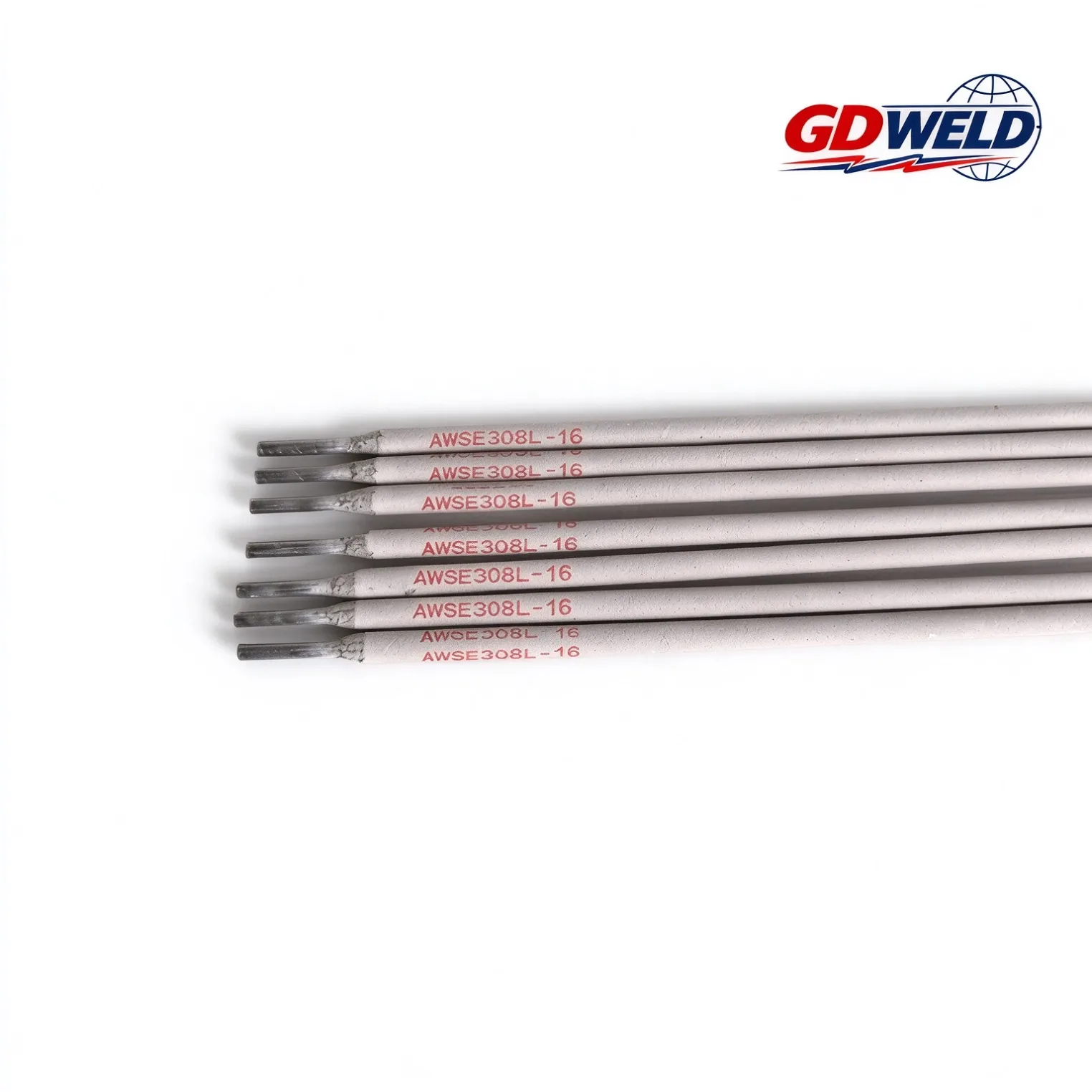
Can an E308L welding electrode weld 304, 304L, 321 or 316 stainless steel? The answer depends on the base-metal grade, service conditions and required corrosion resistance.
E308L is a low-carbon stainless steel electrode commonly used for compatible 18% chromium–8% nickel austenitic stainless steels. Understanding which grades suit E308L helps you select the right electrode and avoid material-matching problems.
Which Stainless Steels Can E308L Weld?
Stainless Steel Grade | E308L Suitability | Key Consideration |
|---|---|---|
304 | Common application | Confirm the required electrode classification |
304L | Common application | Low-carbon weld metal helps reduce the risk of intergranular corrosion |
321 | Conditional | Check service temperature and filler-metal requirements |
347 | Conditional | Verify the specified filler metal for the application |
316 / 316L | Usually not the first choice | E316L is generally preferred for compatible joints |
Duplex 2205 | Not a standard choice | Use an appropriate duplex filler metal, such as E2209, when specified |
This table is a general selection guide, not a substitute for the applicable welding specification or qualified welding procedure (WPS).
Can E308L Weld 304 and 304L Stainless Steel?
Yes. Types 304 and 304L are the primary grades to consider for E308L electrodes.
E308L deposits low-carbon weld metal, which helps limit chromium carbide precipitation and the associated risk of intergranular corrosion under suitable conditions. It is commonly used in compatible stainless steel tanks, piping, process equipment and general fabrication.
E308L-16 and E308L-17 are different electrode classifications, so confirm the specific product's operating characteristics, usability requirements and technical data sheet (TDS) before ordering.
What About 321, 347 and 316L Stainless Steel?
E308L may be suitable for selected joints involving 321 or 347 stainless steel, but these stabilized grades can require different filler-metal considerations, particularly for elevated-temperature or critical service. Follow the project specification rather than assuming E308L is suitable for every joint.
For 316 and 316L, E316L is generally the more appropriate starting point because its weld metal contains molybdenum, which contributes to pitting and crevice corrosion resistance in many environments.
Duplex 2205 requires a compatible duplex filler metal and a controlled welding procedure. Depending on the process and specification, an E2209 electrode or another suitable duplex consumable may be required.
How Do You Choose the Right Electrode?
Before selecting a stainless steel welding electrode, check:
- Base-metal grade: Confirm the exact stainless steel designation.
- Service environment: Consider chemicals, chlorides, temperature and corrosion requirements.
- Welding procedure: Follow the applicable code, WPS and filler-metal specification.
- Electrode classification: Verify the full AWS classification, not just the “308L” designation.
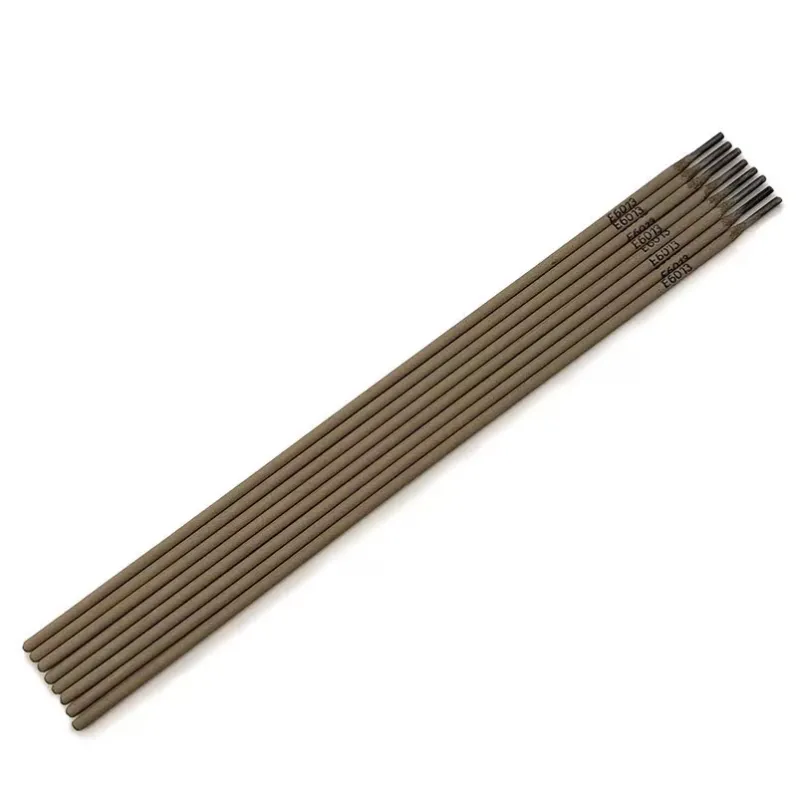
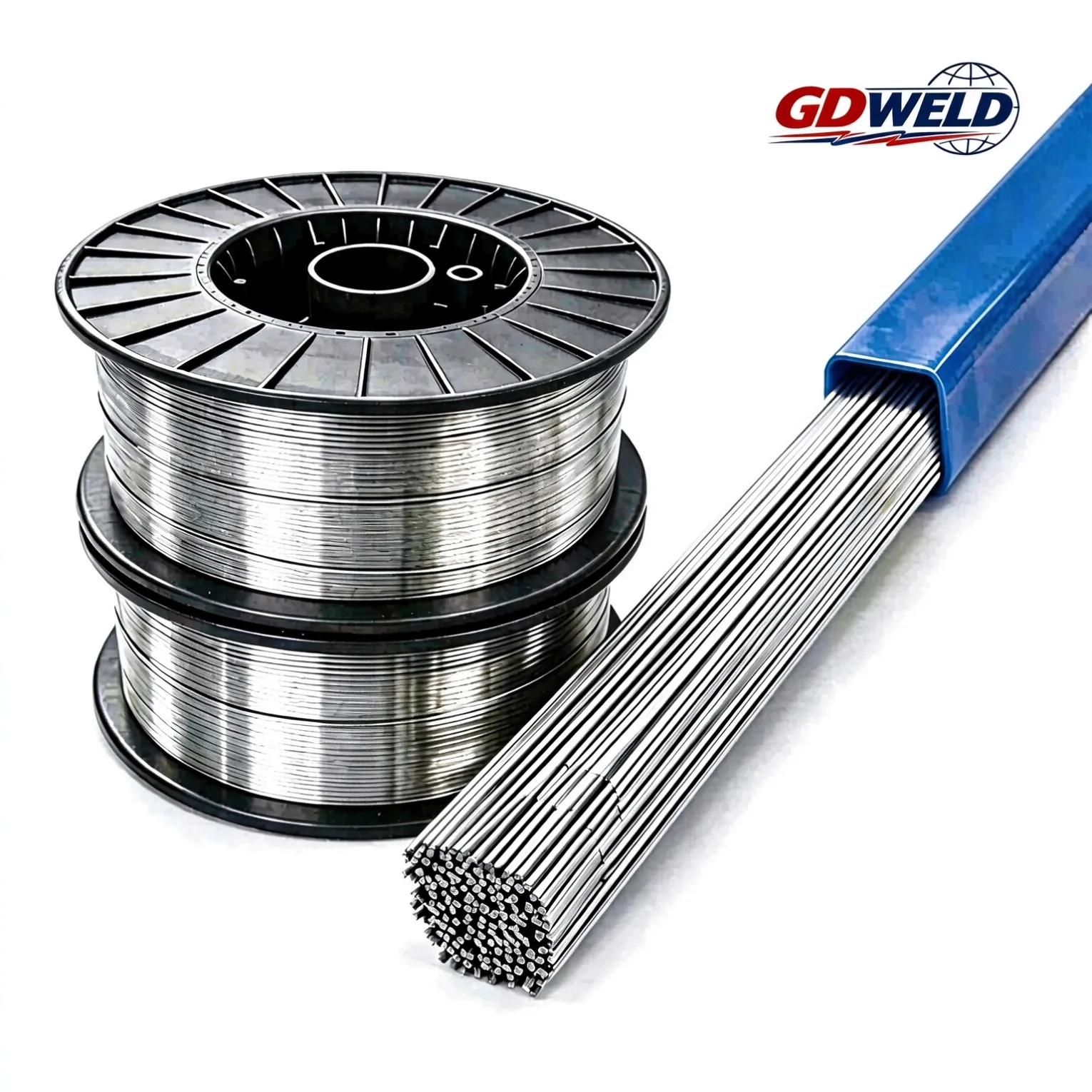
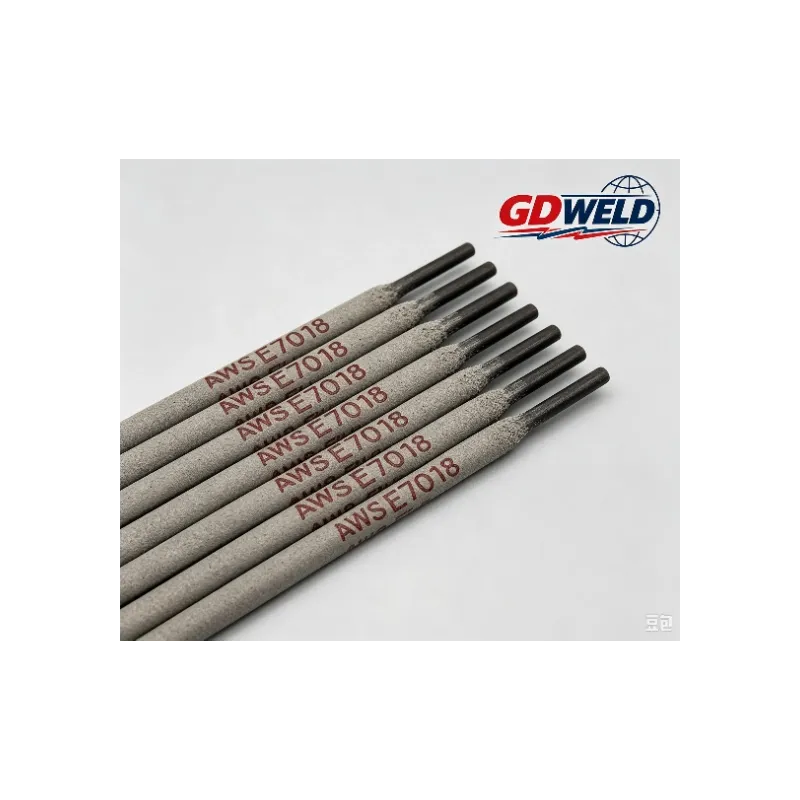
For compatible 304 and 304L applications, explore our E308L-17 Stainless Steel Welding Electrode. For wire welding applications, see our ER308L Stainless Steel Welding Wire.
Conclusion
E308L welding electrodes are commonly used for compatible 304 and 304L stainless steels and may suit selected 321 and 347 applications. They are not a universal choice for all stainless steel grades.
Confirm your base metal, service conditions and welding requirements before ordering. Contact GD WELD with your material grade, welding process and required AWS classification to request product information and a quotation.