Oct 21, 2026
E6013 Welding Electrode: What Is It Used For?
What is an E6013 welding electrode used for? Explore common applications, key advantages and limitations before choosing an electrode.
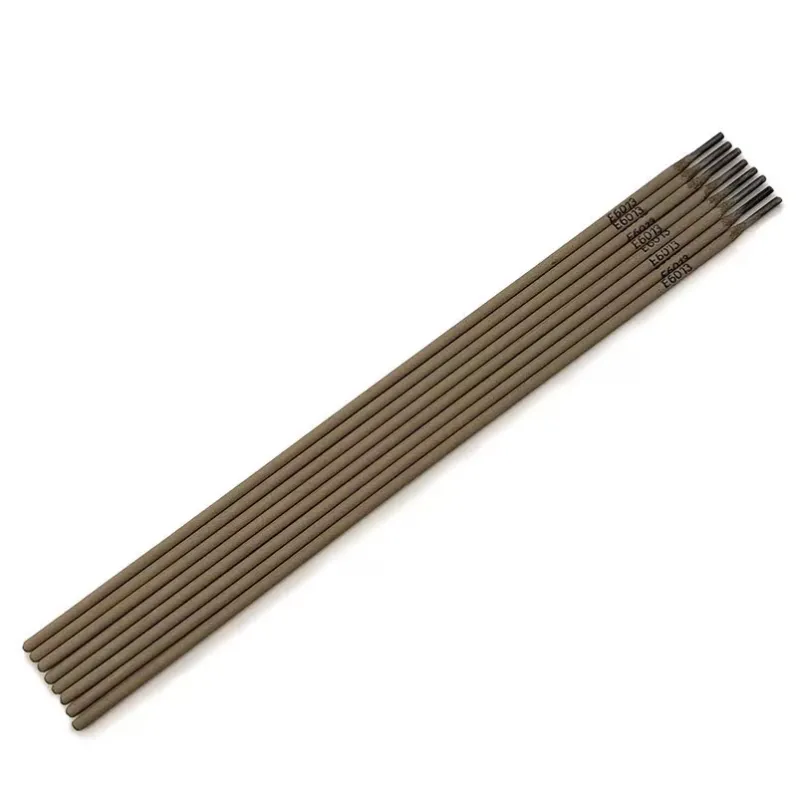
What is an E6013 welding electrode used for? E6013 is a rutile-coated mild steel electrode commonly used for thin sheet metal, light fabrication and general repair work. Its soft, steady arc, easy slag removal and good weld bead appearance make it a popular choice for everyday welding.
However, E6013 is not suitable for every steel joint. The right choice depends on material thickness, joint design and required weld performance.
1. What Are the Main Uses of E6013?
E6013 electrodes are commonly used for welding compatible mild and low-carbon steels in applications such as:
Application | Typical Examples |
|---|---|
Thin sheet metal | Light-gauge steel panels and components |
Metal fabrication | Furniture frames, brackets and supports |
Gates and fences | Railings, grills and metal gates |
Equipment maintenance | General repairs and replacement parts |
Light steel fabrication | Non-critical frames and fabricated components |
E6013 is particularly useful when easy handling and a neat weld bead are important. For thin materials, a suitable electrode diameter and correct current setting help reduce the risk of burn-through.
2. Why Choose an E6013 Welding Electrode?
E6013 offers several practical advantages:
- Easy arc starting: Convenient for routine welding and frequent restarts.
- Good bead appearance: Helps produce relatively smooth, uniform welds.
- Easy slag removal: Simplifies post-weld cleaning.
- Shallow to moderate penetration: Can be useful for thin sheet metal when the correct size and settings are selected.
- Broad power-source compatibility: Many E6013 products operate on AC and specified DC polarities.
These characteristics make E6013 a practical option for workshops, light fabrication and maintenance tasks. Actual performance depends on the specific electrode, welding position, power source and technique.
3. Is E6013 Suitable for Thick Steel?
Not always. E6013 can weld some medium-gauge steel, but thicker sections and demanding joints require careful evaluation of penetration, joint preparation and mechanical requirements.
Insufficient penetration or lack of fusion can occur if the electrode size, current or technique is unsuitable. On thin sheet metal, excessive heat can cause burn-through.
For pressure equipment, safety-critical structures or joints with strict inspection requirements, follow the applicable code and qualified welding procedure rather than choosing an electrode based on ease of use alone.
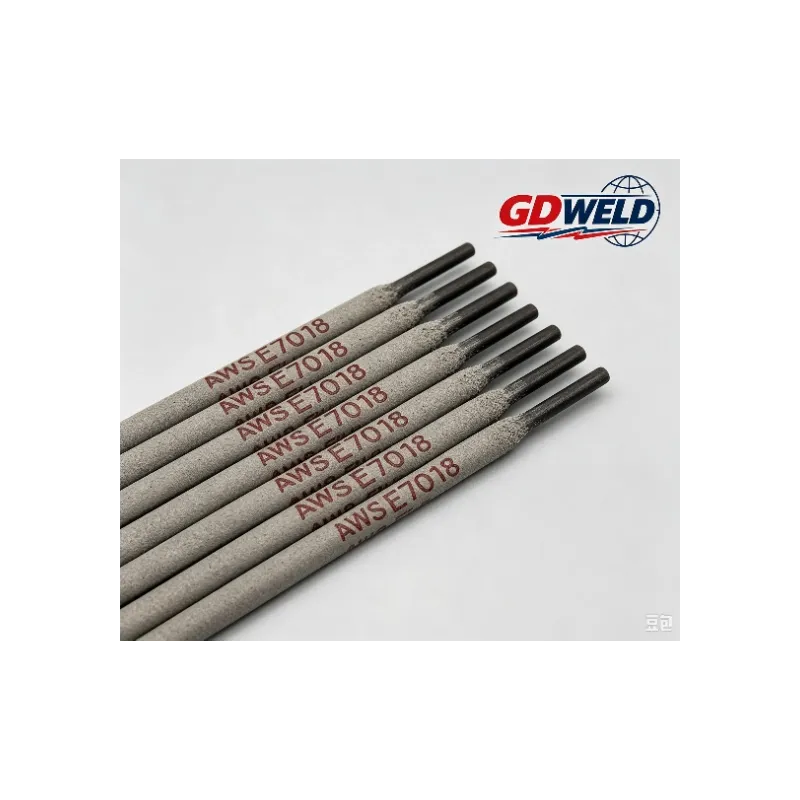
If you are comparing E6013 with E7018, consider the required weld properties and application. See our article, E6013 vs E7018: Which Welding Electrode Should You Use?, for a more detailed comparison.
4. How Do You Choose the Right E6013 Electrode?
Before ordering, check four factors:
- Base metal: Confirm that the steel grade is compatible with E6013.
- Material thickness: Select an appropriate electrode diameter and current range.
- Welding position: Verify the specific product's approved positions, especially for vertical-down welding.
- Power source: Check the manufacturer's recommendations for AC/DC operation and polarity.
Conclusion
E6013 welding electrodes are commonly used for thin sheet metal, mild steel fabrication, metal furniture, gates, fences and general repairs. Their easy operation and good bead appearance make them suitable for many everyday welding tasks.
Before selecting an electrode, confirm the base metal, material thickness and required weld performance. Contact GD WELD with your application, steel grade and preferred electrode size to request product information and a quotation.