Oct 19, 2026
E6013 vs E7018: Which Welding Electrode Should You Use?
E6013 or E7018? Compare their strength, welding characteristics, and applications to choose the right carbon steel welding electrode.
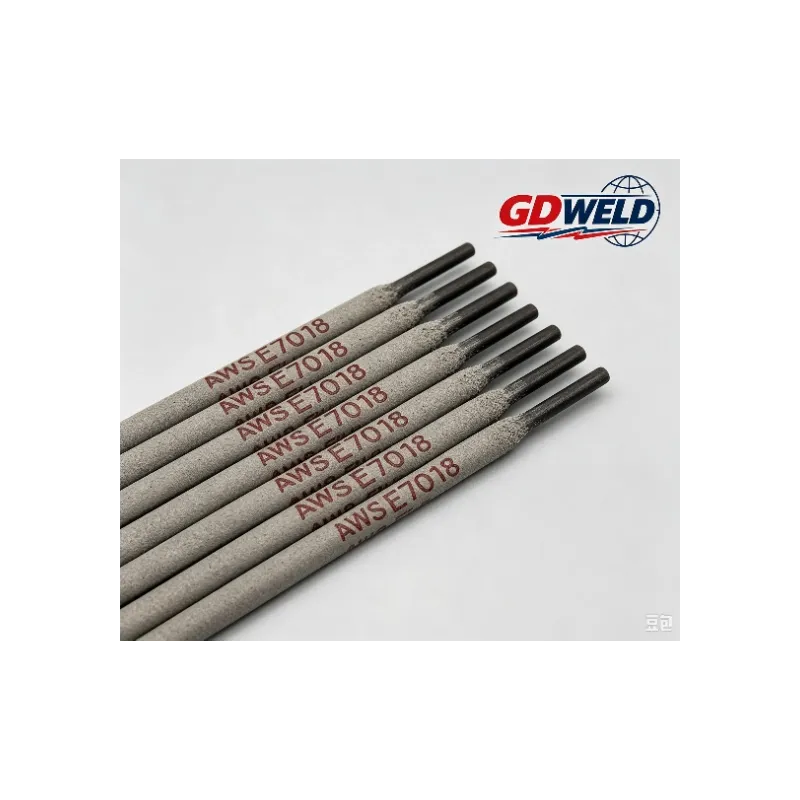
E6013 vs E7018: What Is the Difference?
E6013 and E7018 are common carbon steel welding electrodes used in shielded metal arc welding (SMAW). However, they are designed for different welding requirements.
E6013 is a rutile-coated electrode known for easy arc control, smooth weld appearance, and relatively easy slag removal. It is often used for general fabrication, light repairs, and suitable thin-steel applications.
E7018 is a low-hydrogen electrode with a higher minimum tensile-strength classification. It is commonly selected for structural steel and applications where weld-metal strength and hydrogen control are important.
The right choice depends on the base metal, joint requirements, welding conditions, and applicable welding procedure—not strength classification alone.
E6013 vs E7018: Key Differences
Property | E6013 | E7018 |
|---|---|---|
AWS specification | AWS A5.1 | AWS A5.1 |
Minimum tensile strength classification | 60 ksi (414 MPa) | 70 ksi (483 MPa) |
Coating | Rutile-based | Low-hydrogen, iron-powder type |
Typical characteristics | Easy operation, smooth bead | Low-hydrogen welding, higher strength classification |
Common applications | Light fabrication and repairs | Structural and strength-sensitive applications |
Storage requirements | Keep dry; follow product instructions | Strict moisture control; follow manufacturer instructions |
Polarity, welding position, current range, and impact properties vary by product. Always check the manufacturer's technical data sheet.
When Should You Use E6013?
Choose E6013 when easy operation and weld appearance are priorities and the electrode meets the joint requirements.
Typical applications include:
- General carbon steel fabrication
- Light maintenance and repair work
- Suitable thin-steel sections
- Jobs requiring a smooth bead and convenient slag removal
E6013 can be convenient for less demanding fabrication, but it is not automatically suitable for every thin plate or structural joint. Current, travel speed, joint preparation, and required weld properties still matter.
When Should You Use E7018?
E7018 is often preferred when higher weld-metal tensile strength and low-hydrogen welding practice are required.
Typical applications include:
- Structural steel fabrication
- Heavy equipment and steel frames
- Industrial components with specified mechanical properties
- Welded joints where hydrogen-assisted cracking must be controlled
Its low-hydrogen coating helps limit diffusible hydrogen, but it does not eliminate cracking risk. Base-metal composition, joint restraint, preheat, cooling conditions, and the welding procedure remain important.
E7018 also requires careful moisture control. Follow the manufacturer's instructions for sealed packaging, exposure limits, holding ovens, and rebaking where permitted.
Can E6013 Replace E7018?
Not automatically. E6013 has a lower minimum tensile-strength classification and a different coating system. Substituting it for E7018 may fail to meet specified strength, toughness, or hydrogen-control requirements.
Before changing electrodes, check:
- Base-metal grade, thickness, joint design, and service conditions.
- Required weld-metal tensile strength and impact properties.
- The applicable code, customer specification, and approved Welding Procedure Specification (WPS).
- Preheat and hydrogen-control requirements where relevant.
The reverse substitution also needs review. E7018 may work for some applications originally welded with E6013, but its handling requirements and welding characteristics differ. A higher strength classification does not automatically make it the better choice.
How to Choose the Right Electrode
Before ordering, confirm the required AWS classification, base-metal grade, material thickness, welding position, available power source, and applicable WPS. These checks help prevent choosing an electrode based only on price or ease of use.
Need E6013 or E7018 for Your Project?
GD WELD supplies welding consumables for different carbon steel fabrication requirements. Send us your required classification, electrode diameter, quantity, and application to discuss product availability and technical specifications.