How to Store E7018 Welding Rods: Moisture and Baking Guide
Why does moisture matter for E7018 welding rods? Learn proper storage, exposure control and when drying or rebaking may be necessary.
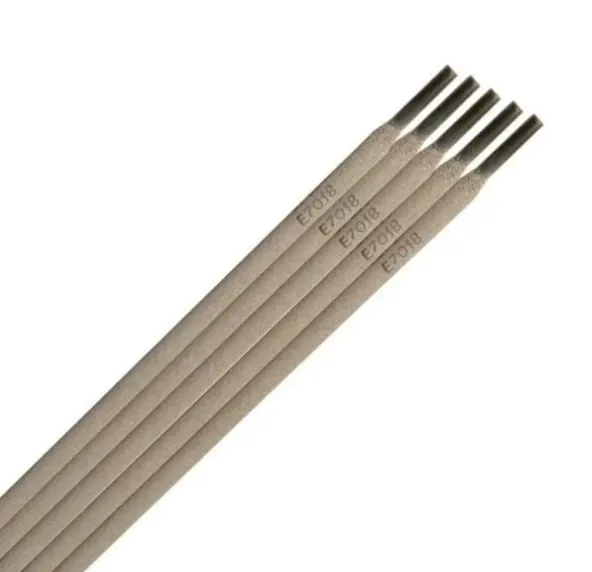
E7018 welding rods are low-hydrogen electrodes that must be protected from excessive moisture. Moisture absorbed by the coating can increase diffusible hydrogen in the weld and contribute to hydrogen cracking under susceptible conditions.
To store E7018 correctly, keep the electrodes in the specified conditions, control exposure after opening, and follow the manufacturer's instructions for drying or rebaking.
E7018 Welding Rod Storage: Quick Answers
Common question | Short answer |
|---|---|
Why must E7018 rods stay dry? | Excessive moisture can increase hydrogen-related cracking risk |
How should unopened rods be stored? | Keep them in their original packaging under the specified conditions |
How should opened rods be handled? | Follow the manufacturer's storage and exposure-time requirements |
Do E7018 rods always need baking? | No. Requirements depend on the product and applicable procedure |
Can moisture-exposed rods be reused? | Check exposure history and approved handling or redrying instructions first |
1. How Should You Store E7018 Welding Electrodes?
Follow these four practices:
- Keep packages sealed: Open only the quantity needed for the job.
- Avoid moisture: Protect electrodes from rain, condensation and uncontrolled humidity.
- Control exposure: Follow the specified time limits and storage conditions after opening.
- Use a holding oven when required: Maintain the temperature and conditions specified by the manufacturer or welding procedure.
A regular toolbox or warm room does not automatically provide suitable storage for low-hydrogen electrodes.
2. Does E7018 Need Baking or Rebaking?
Not every E7018 electrode needs additional baking before use. The correct treatment depends on the product, packaging, exposure history and applicable welding requirements.
Before baking or rebaking, confirm:
- The manufacturer's specified temperature and holding time.
- Whether the product permits redrying.
- Any limits on repeated redrying.
- The applicable welding code, project specification or approved Welding Procedure Specification (WPS).
Do not apply one universal baking temperature or exposure limit to every E7018 product. Incorrect treatment may affect electrode performance or violate project requirements.
3. What Should You Do If E7018 Rods Get Wet?
If electrodes may have absorbed excessive moisture, do not rely on appearance alone to determine whether they are usable.
- Set aside electrodes with uncertain storage history.
- Check the duration and conditions of exposure.
- Follow the manufacturer's approved redrying procedure, if permitted.
- If the exposure history is unknown, consult the manufacturer or welding quality team before use.
For critical structural or pressure-related welding, follow the applicable material-control and inspection requirements.
4. What Should Buyers Check Before Ordering E7018?
For industrial welding projects, confirm:
- AWS classification and required electrode diameter.
- Packaging type and moisture-control requirements.
- Storage, exposure and redrying instructions.
- Applicable welding code and project specifications.
- Batch identification and traceability requirements.
See our E7018 welding electrode product page for product information. For a broader overview of applications, read our guide to E7018 welding electrode uses and applications.
Need E7018 electrodes for your project? Send us the required classification, diameter, application and applicable specification so we can help confirm the appropriate product and handling requirements.