Oct 21, 2026
E7018 Welding Electrode: What Is It Used For?
What is an E7018 welding electrode used for? Explore common applications, low-hydrogen benefits, electrode selection and storage tips.
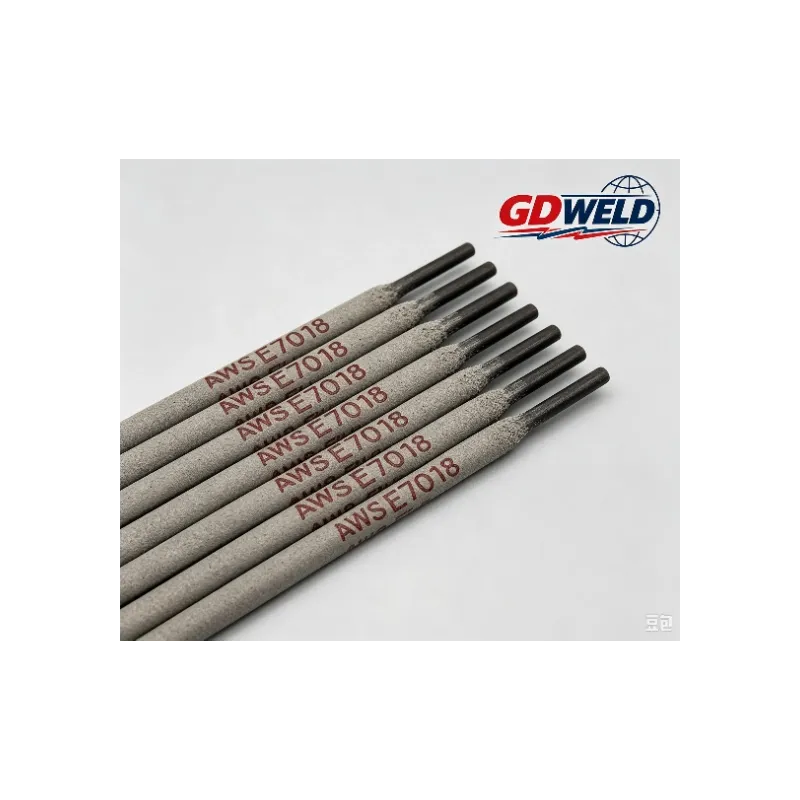
Choosing the wrong welding electrode can lead to poor weld quality, rework and unnecessary costs. So, what is an E7018 welding electrode used for, and when should you choose it over other electrodes?
E7018 is a low-hydrogen, iron-powder-coated stick electrode commonly used for compatible carbon steel applications where weld strength, toughness and control of hydrogen-related cracking are important.
1. Where Is E7018 Commonly Used?
E7018 welding electrodes are widely used in industrial fabrication and structural welding, including:
- Buildings and steel structures: Frames, columns and load-bearing connections
- Bridges and infrastructure: Structural joints with specified mechanical requirements
- Pressure vessels and tanks: Fabrication where the applicable code and welding procedure permit E7018
- Heavy machinery: Equipment frames, supports and structural components
- Thick steel plates: Multi-pass welds where suitable toughness and low-hydrogen practices are important
E7018 may be suitable for compatible carbon steel grades such as Q235, Q355 and other specified steels. Always verify the base material and project requirements before selecting the electrode.
Looking for product specifications or available sizes? Visit our E7018 Welding Electrode product page.
2. Why Choose E7018 Instead of a General-Purpose Electrode?
E7018 offers several advantages for demanding welding applications.
Low-hydrogen coating: Helps reduce the risk of hydrogen-assisted cracking when electrodes are properly stored and used with a suitable welding procedure.
Good weld-metal toughness: Useful when a project specifies particular mechanical properties or impact-test requirements.
Iron powder for higher deposition efficiency: Helps increase the amount of weld metal deposited compared with similar low-hydrogen electrodes without iron powder.
Versatile current options: Many E7018 products support AC or DC electrode-positive (DCEP) operation. Check the specific manufacturer's data sheet.
These advantages make E7018 a common choice for structural fabrication. However, the electrode must still match the base material and applicable welding requirements.
3. E7018 vs. E6013: Which Electrode Should You Use?
The right choice depends on the job—not simply which electrode has the higher strength classification.
- Choose E7018 when the application requires a low-hydrogen electrode and the specified weld properties are suitable.
- Consider E6013 for suitable light fabrication where easy arc operation and general-purpose welding are priorities.
E6013 is not automatically unsuitable for structural work, and E7018 is not automatically the best choice for every joint. Material specifications, joint design, service conditions and the approved welding procedure should guide the decision.
Read our related article, “E6013 vs E7018: Which Welding Electrode Should You Use?”, for a more detailed comparison.
4. What Can Go Wrong When Using E7018?
Even the right electrode can produce poor results if handling and welding conditions are unsuitable.
Common issues include:
- Porosity: May result from moisture, surface contamination or unsuitable welding technique.
- Hydrogen-related cracking: Risk can increase when moisture control, preheating or other procedure requirements are not followed.
- Slag inclusions: Can occur when slag is not adequately removed between passes or welding technique is unsuitable.
To reduce these risks, clean the joint, follow the approved welding procedure and use the manufacturer's recommended current and polarity.
5. How Should E7018 Electrodes Be Stored?
E7018 is moisture-sensitive, so proper storage is essential for maintaining low-hydrogen performance.
Keep electrodes in their original packaging until needed. After opening, follow the manufacturer's instructions for holding temperature, exposure time and any required reconditioning.
Do not assume that all E7018 products have identical baking requirements. For critical applications, the applicable code, approved welding procedure and product technical data take priority.
Conclusion
E7018 welding electrodes are commonly used for compatible carbon steel structures, bridges, pressure vessels, tanks and heavy machinery. Their low-hydrogen coating and iron powder content make them useful when weld quality, toughness and deposition efficiency matter.
Before ordering, confirm the required classification, base material, electrode diameter and project specifications.
Need E7018 welding electrodes for your project? Contact GD WELD with your application, required size, quantity and documentation requirements to request product information and a quotation.