Oct 21, 2026
Why Does My ER2209 Weld Have Poor Pitting Resistance?
Why does an ER2209 weld show poor pitting resistance? Learn how to check weld chemistry, heat input, phase balance and surface condition.
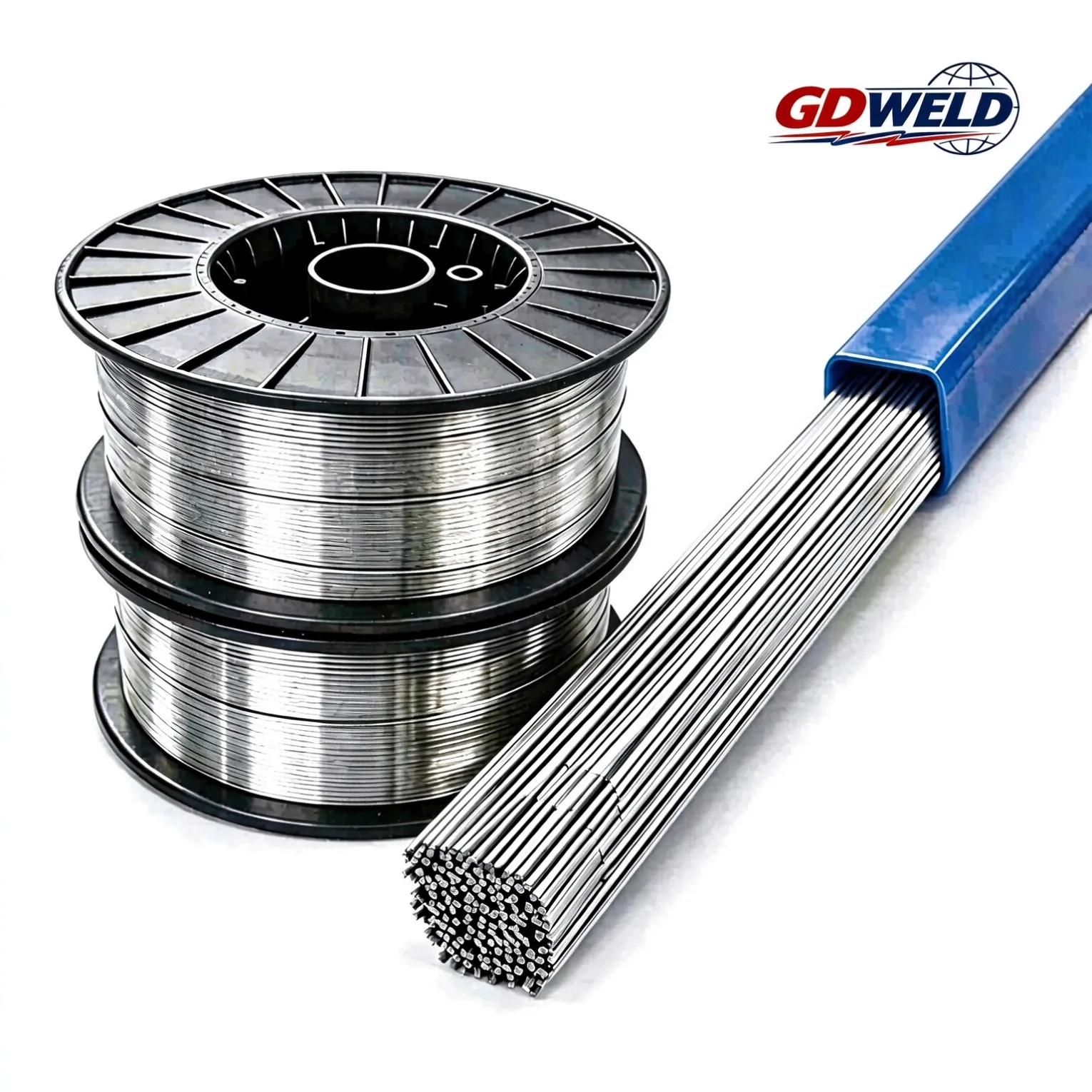
Why does an ER2209 weld fail a pitting corrosion test even when the correct welding wire is used?
The cause may be weld-metal chemistry, heat input, phase balance or surface contamination—not necessarily the wire itself.
ER2209 solid wire is commonly used for Duplex 2205 stainless steel, including UNS S31803 and S32205. If a weld shows poor pitting resistance, check the following factors before changing the consumable.
1. Are the Pitting Test Conditions Correct?
First, confirm that the test follows the required specification.
Check:
- Test method, solution and temperature
- Exposure time and acceptance criteria
- Specimen preparation
- Whether the specimen represents the weld metal, heat-affected zone (HAZ) or entire joint
Different test conditions can produce different results. Make sure the test requirements are correct before investigating the welding process.
2. Does the Weld Metal Meet the Chemistry Requirements?
Chromium, molybdenum and nitrogen contribute to the pitting resistance of duplex stainless steel.
A commonly used estimate is:
PREN = %Cr + 3.3 × %Mo + 16 × %N
A higher PREN generally indicates greater potential pitting resistance, but it does not guarantee a successful corrosion test.
Check the actual deposited weld-metal chemistry against the project specification. Base-metal dilution, shielding gas and welding conditions may affect the final weld deposit.
3. Is Heat Input Affecting Phase Balance?
Duplex 2205 needs a suitable balance of ferrite and austenite to maintain its intended properties.
- Cooling too quickly may limit austenite formation.
- Excessive thermal exposure may promote undesirable phases under certain conditions.
Review heat input, travel speed, interpass temperature and welding sequence against the qualified welding procedure (WPS).
Do not assume one heat-input range works for every joint. If the problem persists, phase-balance measurements or metallographic examination may help identify the cause.
4. Is the Weld Surface Clean?
Surface condition can affect pitting resistance even when the weld-metal chemistry is acceptable.
Look for:
- Heat tint and oxide scale
- Iron contamination from tools or abrasives
- Surface defects and embedded particles
- Inadequate cleaning after welding
Follow the specified cleaning, pickling or passivation procedure where required. Surface treatment cannot compensate for unsuitable weld chemistry or microstructure.
5. Should You Change the ER2209 Wire?
Not before identifying the likely cause.
First check the test conditions, weld chemistry, welding procedure and surface condition. If the weld chemistry fails to meet the required specification, review the wire classification and material certificate.
For a comparison of different duplex welding consumables, read ER2209 vs E2209 for Duplex 2205: Solid Wire, Flux-Cored Wire, or Stick Electrode?.
Conclusion
Poor pitting resistance in an ER2209 weld may result from incorrect test conditions, weld chemistry, phase balance or surface contamination.
Identify the failure mechanism before changing the welding wire. This can help avoid unnecessary consumable changes and repeated testing.
Need ER2209 solid wire for Duplex 2205 fabrication? Contact GD WELD with your base-metal grade, wire diameter, welding process and required corrosion-test criteria to request product information and a quotation.