Oct 23, 2026
ER410 vs ER420 Welding Wire: Which Martensitic Stainless Steel Filler Should You Choose?
ER410 or ER420 welding wire? Learn the key differences in hardness, applications and heat treatment to select the right martensitic stainless steel filler.
What Is the Difference Between ER410 and ER420 Welding Wire?
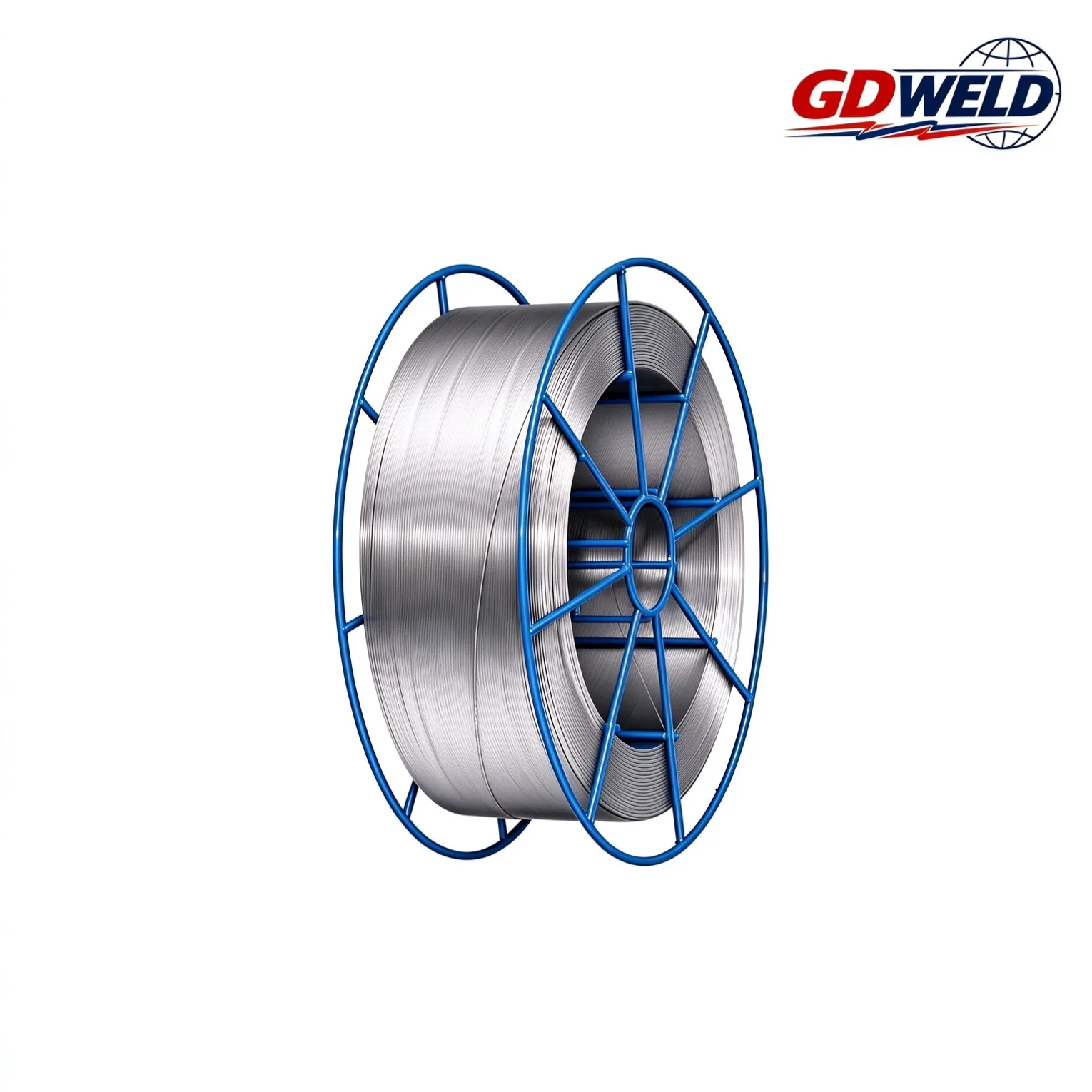
ER410 and ER420 are martensitic stainless steel welding wires containing approximately 13% chromium. Their main difference is carbon content, which influences hardness, toughness and response to heat treatment.
ER410 is commonly considered for compatible 410-series stainless steel components. ER420 has a higher carbon content and can achieve greater hardness after suitable heat treatment, making it an option for selected wear-resistant applications.
Comparison | ER410 Welding Wire | ER420 Welding Wire |
|---|---|---|
Steel type | Martensitic stainless steel | Higher-carbon martensitic stainless steel |
Carbon content | Generally lower | Generally higher |
Hardness potential | Depends on composition and heat treatment | Generally higher after suitable heat treatment |
Main selection factor | Base-metal compatibility and balanced properties | Required hardness and wear resistance |
Typical applications | Compatible 410-series parts, shafts, valves and turbine components | Selected cutting tools, molds, rollers and wear-resistant repairs |
Actual properties depend on the applicable classification, product chemistry and heat-treatment procedure.
When Should You Choose ER410 Welding Wire?
Choose ER410 when welding or repairing compatible 410-series martensitic stainless steel components. Typical applications include pump shafts, valve parts, turbine components and selected heat-resistant mechanical parts.
ER410 may be suitable when material compatibility and a balance of hardness and toughness are more important than achieving maximum hardness.
When Is ER420 Welding Wire a Better Choice?
ER420 is worth considering for selected applications where higher hardness and wear resistance are required, including certain tooling, cutting-component and mold repairs.
However, higher hardness does not automatically mean better service performance. Toughness, crack resistance, the base material and the required heat treatment must also be considered. Confirm that ER420 is suitable for the component before choosing it for a repair or overlay.
Do ER410 and ER420 Require Heat Treatment?
Both ER410 and ER420 can form hard, crack-sensitive structures during welding. Depending on the base metal, component thickness and welding procedure, preheating, interpass temperature control and post-weld heat treatment may be necessary.
Do not assume that both wires use the same preheat or heat-treatment schedule. Follow the applicable product datasheet and qualified welding procedure to achieve the required properties and reduce cracking risks.
How Do You Select the Right Wire for Your Application?
Before ordering ER410 or ER420 welding wire, check these five points:
- Base metal: Is the component 410, 410S, 420 or another alloy?
- Required hardness: Is there a specified hardness after heat treatment?
- Service conditions: Will the component face abrasion, impact, heat or corrosion?
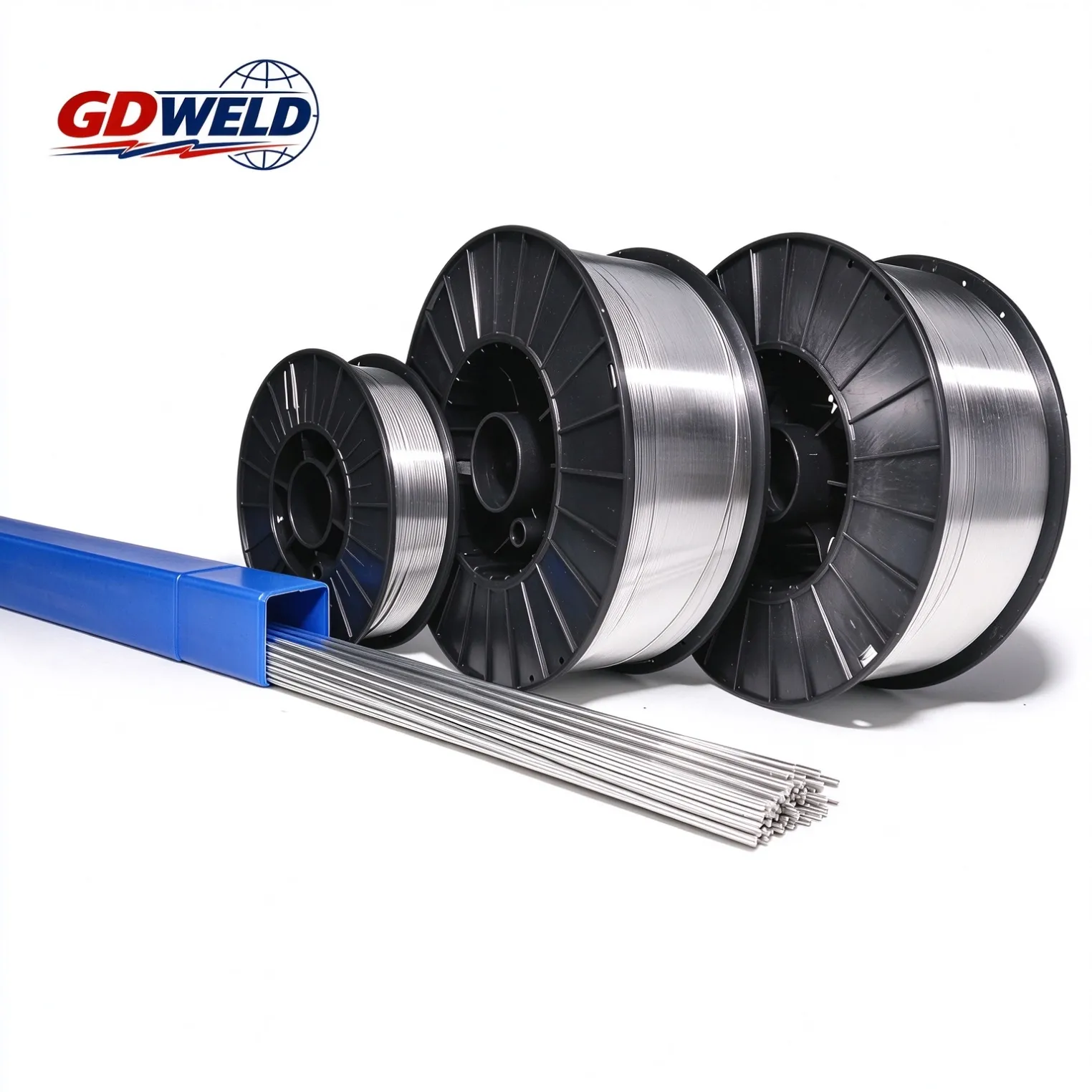
- Welding process: Do you need MIG/GMAW wire or TIG/GTAW filler rod?
- Technical requirements: Confirm the AWS classification, diameter and applicable welding procedure.
For other martensitic grades, such as CA6NM or 410NiMo components, a different filler metal may be more appropriate. Do not substitute ER410 or ER420 without checking material compatibility.
Conclusion
Choose ER410 for compatible 410-series applications where balanced properties are important. Consider ER420 when higher hardness and wear resistance are required and the necessary heat treatment can be achieved.
Contact GD WELD with your base-metal grade, application, welding process and required wire diameter to discuss a suitable filler-metal option.