ER70S-2 vs ER70S-6 Welding Wire: Differences, Chemical Composition and Applications
ER70S-2 or ER70S-6 welding wire? Compare chemical composition, deoxidizing elements and applications to choose the right filler metal for carbon steel welding.
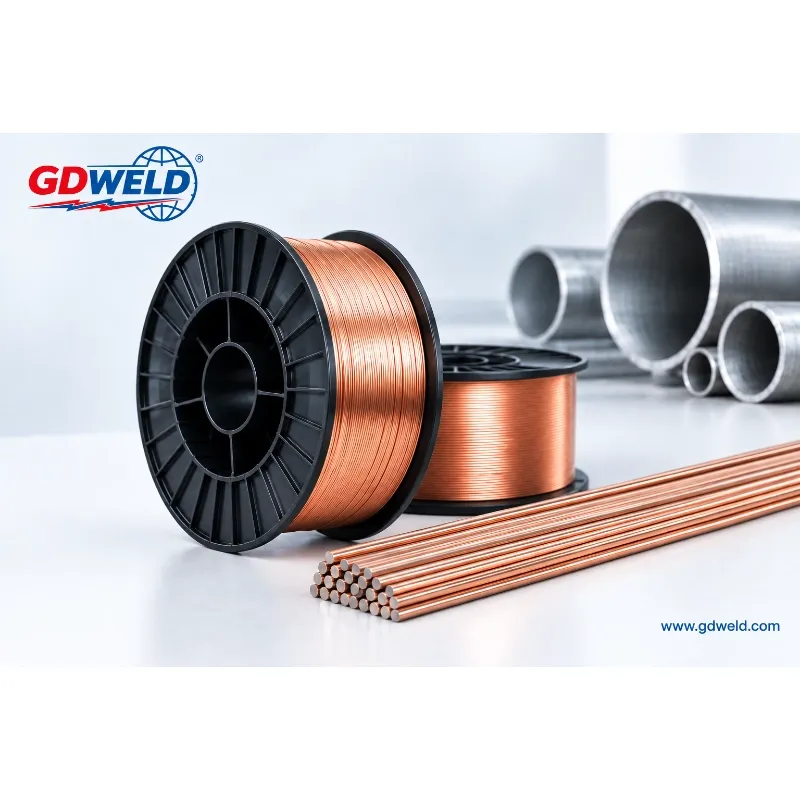
ER70S-2 vs ER70S-6: What Is the Difference?
ER70S-2 and ER70S-6 are solid carbon steel filler metals classified under AWS A5.18. Both have a minimum tensile strength classification of 70 ksi (approximately 490 MPa), but their chemical compositions and deoxidizing systems are different.
The main difference is that ER70S-2 contains additional deoxidizing elements, including titanium, zirconium and aluminum, while ER70S-6 has higher manganese and silicon contents.
ER70S-2 is commonly selected when its multiple-deoxidizer composition is suitable for the application or specified by the welding procedure. ER70S-6 is widely used for general carbon steel MIG/MAG welding and fabrication.
Quick Comparison
Comparison | ER70S-2 | ER70S-6 |
|---|---|---|
AWS classification | A5.18 | A5.18 |
Filler metal type | Solid wire / rod | Solid wire |
Minimum tensile strength | 70 ksi (490 MPa) | 70 ksi (490 MPa) |
Manganese (Mn) | 0.90–1.40% | 1.40–1.85% |
Silicon (Si) | 0.40–0.70% | 0.80–1.15% |
Additional deoxidizers | Ti, Zr, Al | No specified additions |
Common applications | TIG and specified carbon steel welding applications | General carbon steel MIG/MAG fabrication |
1. ER70S-2 vs ER70S-6 Chemical Composition
Chemical composition is one of the most important differences between these two welding wire classifications.
The following table summarizes their AWS A5.18 classification composition limits.
Chemical Composition (wt.%)
Chemical Element | ER70S-2 | ER70S-6 |
|---|---|---|
Carbon (C) | ≤ 0.07 | 0.06–0.15 |
Manganese (Mn) | 0.90–1.40 | 1.40–1.85 |
Silicon (Si) | 0.40–0.70 | 0.80–1.15 |
Phosphorus (P) | ≤ 0.025 | ≤ 0.025 |
Sulfur (S) | ≤ 0.035 | ≤ 0.035 |
Copper (Cu) | ≤ 0.50 | ≤ 0.50 |
Nickel (Ni) | ≤ 0.15 | ≤ 0.15 |
Chromium (Cr) | ≤ 0.15 | ≤ 0.15 |
Molybdenum (Mo) | ≤ 0.15 | ≤ 0.15 |
Vanadium (V) | ≤ 0.03 | ≤ 0.03 |
Titanium (Ti) | 0.05–0.15 | No specified addition |
Zirconium (Zr) | 0.02–0.12 | No specified addition |
Aluminum (Al) | 0.05–0.15 | No specified addition |
Iron (Fe) | Balance | Balance |
Key Chemical Composition Differences
Manganese and Silicon: ER70S-6 contains higher levels of manganese and silicon. These elements provide deoxidizing capacity and contribute to its suitability for general carbon steel welding.
Titanium, Zirconium and Aluminum: ER70S-2 contains specified amounts of these additional deoxidizing elements. This combination helps control oxidation in the weld pool under suitable welding conditions.
Carbon: ER70S-2 has a maximum carbon content of 0.07%, while ER70S-6 permits a higher carbon range. This is another important difference when comparing their classification chemistry.
These composition differences influence filler metal selection, but weld performance also depends on the base metal, shielding gas, welding process and operating conditions.
2. When Should You Choose ER70S-2?
ER70S-2 is commonly selected when its multiple-deoxidizer composition is beneficial or when it is required by the welding procedure.
Typical applications include:
- TIG welding of carbon steel pipes and tubing
- Root-pass welding where ER70S-2 is specified
- General mild steel fabrication and repair
- Welding compatible carbon and low-alloy steel components
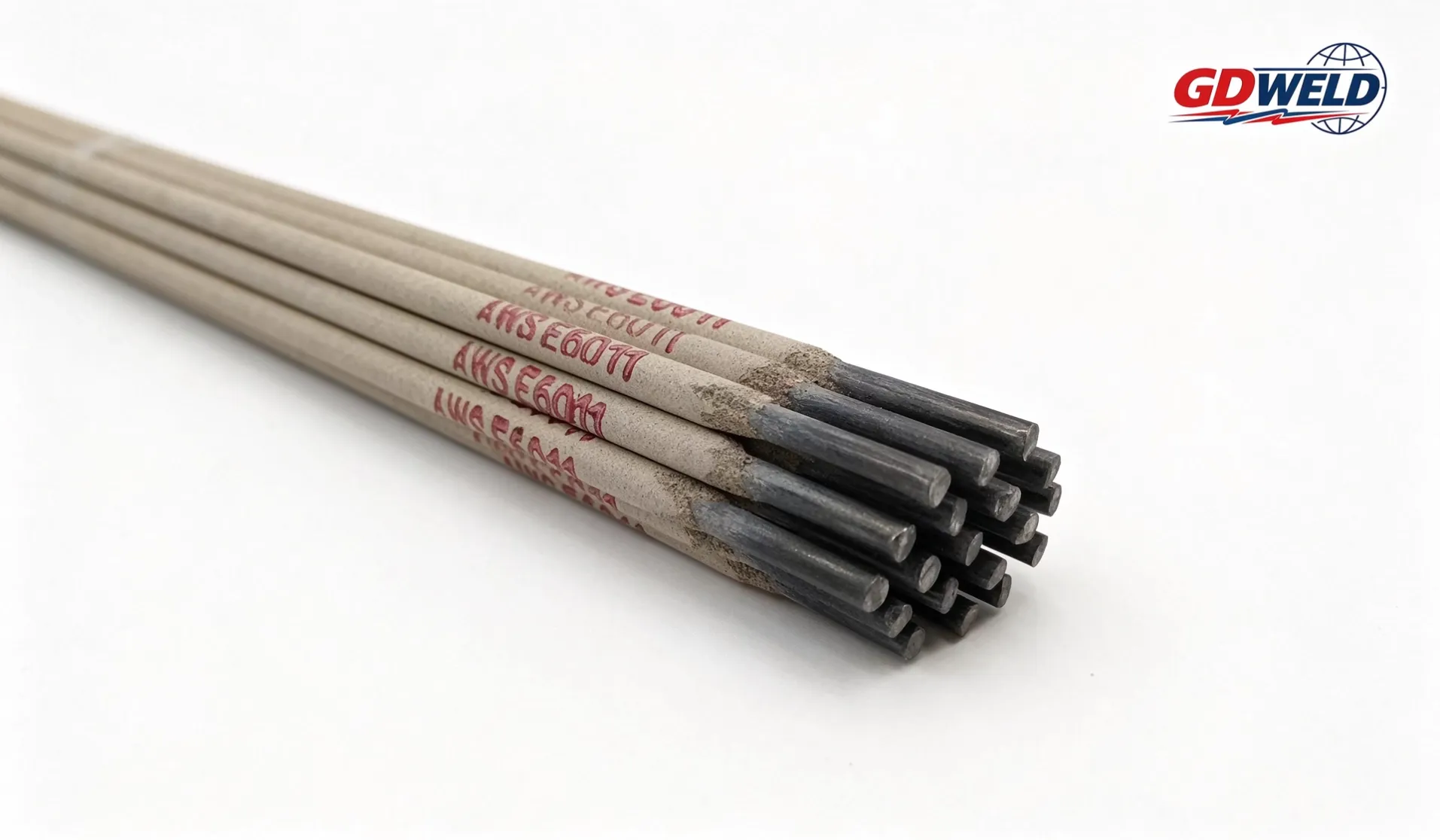
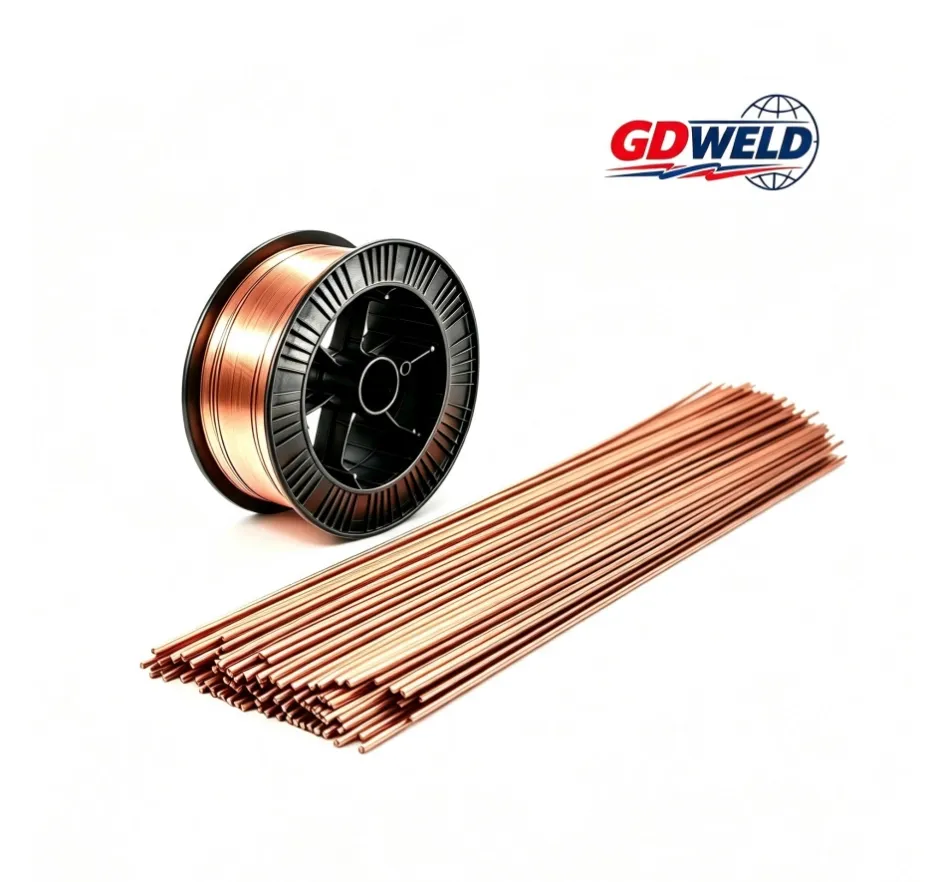
ER70S-2 is available in solid wire and filler rod forms. The appropriate product form and diameter depend on whether the application uses GMAW (MIG/MAG) or GTAW (TIG).
3. When Should You Choose ER70S-6?
ER70S-6 is widely used for general carbon steel MIG/MAG welding and fabrication.
Typical applications include:
- Structural steel fabrication
- Machinery and equipment manufacturing
- Mild steel plate and sheet fabrication
- General workshop and maintenance welding
- Carbon steel components with moderate surface oxidation, when permitted by the welding procedure
Its higher manganese and silicon contents provide useful deoxidizing capacity and contribute to good wetting and weld bead characteristics.
However, ER70S-6 should not be treated as a replacement for proper surface preparation. Heavy rust, oil, moisture and other contaminants can still cause weld defects.
4. Can ER70S-2 Replace ER70S-6?
Not automatically.
Although both wires share the same minimum tensile strength classification, their chemical compositions and weld metal characteristics differ.
Before replacing one grade with the other, check:
- Base metal grade and surface condition
- Welding process and shielding gas
- Required weld metal chemical and mechanical properties
- Joint design and welding position
- Applicable WPS/PQR and project specifications
For critical or code-governed applications, follow the filler metal classification specified by the qualified welding procedure. Similar strength classifications do not automatically make two filler metals interchangeable.
5. ER70S-2 vs ER70S-6: Which Welding Wire Should You Choose?
Neither grade is universally better. The right choice depends on the welding application.
Choose ER70S-2 when its multiple-deoxidizer composition suits the application or when the welding procedure specifically requires this classification.
Choose ER70S-6 for general carbon steel MIG/MAG fabrication when its higher manganese and silicon content and welding characteristics meet the application requirements.
Always consider the base metal, welding process, shielding gas, surface preparation and required weld properties before selecting a filler metal.
Need ER70S-2 Welding Wire for Your Application?
Contact us with your required diameter, welding process, shielding gas and application to request product specifications and technical information.