How to Choose the Right E6011 Welding Rod Diameter for Your Job
Not sure which E6011 electrode diameter to use? Learn how material thickness, welding position and joint design affect electrode size selection.
Which E6011 Electrode Diameter Should You Choose?
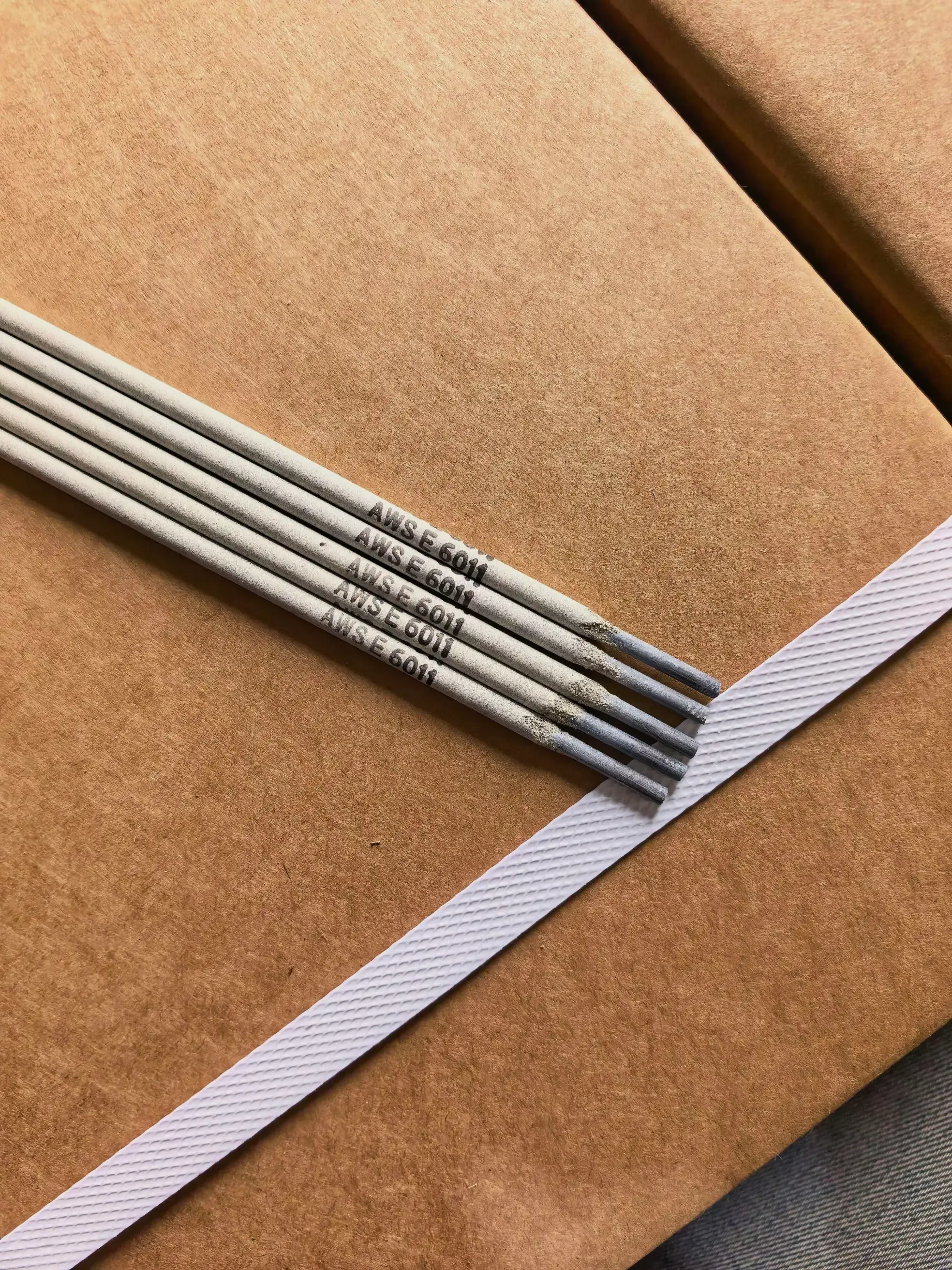
The right E6011 electrode diameter depends on material thickness, joint design, welding position and available welding current.
As a quick guide:
E6011 Electrode Diameter | Typical Applications |
|---|---|
2.4 mm (3/32 in) | Smaller welds, thinner materials and applications requiring better weld pool control |
3.2 mm (1/8 in) | General repair, fabrication and common maintenance work |
4.0 mm (5/32 in) | Larger welds and thicker sections requiring more weld metal |
4.8 mm (3/16 in) | Heavy sections and applications with higher deposition requirements |
These are general selection guidelines, not fixed material-thickness limits. Always confirm the permitted sizes and operating parameters in the manufacturer's technical data sheet (TDS) and applicable welding procedure.
1. Choose Electrode Diameter Based on Material Thickness
Material thickness is an important starting point when selecting an E6011 welding rod.
- Thin steel: A smaller diameter is generally easier to control and may help reduce excessive heat input.
- Medium-thickness steel: A 3.2 mm electrode is a common choice for general fabrication and repair applications.
- Thicker steel: A 4.0 mm or larger electrode may be considered when the joint requires more weld metal and the equipment supports the required current.
Do not select a larger electrode simply because the base metal is thicker. Joint preparation, root opening, weld size and the required number of passes must also be considered.
2. Consider the Welding Position
The welding position can affect which electrode diameter is most practical.
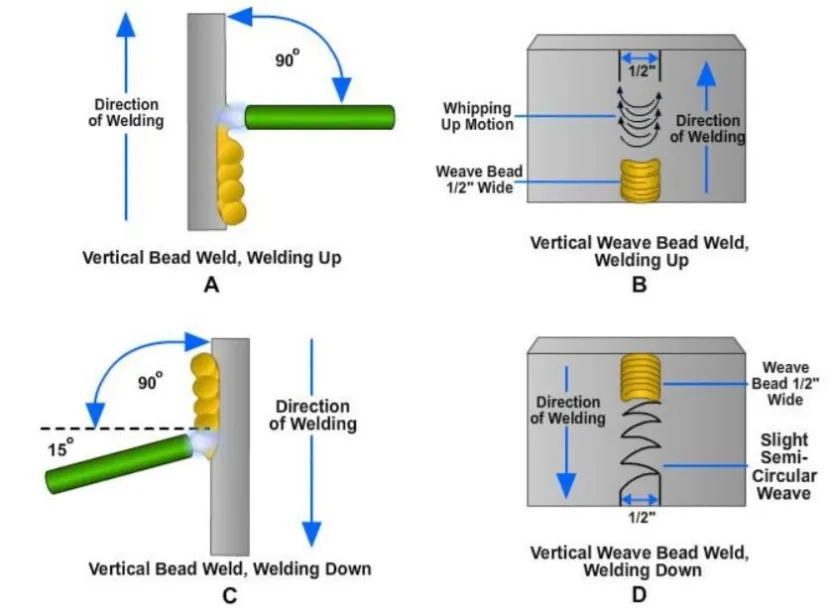
For vertical and overhead welding, a smaller diameter may offer better weld pool control. Larger electrodes are often more practical for flat-position welding where higher deposition rates are needed.
E6011 is an all-position electrode, but the recommended diameter and current range can vary between manufacturers. Check the product TDS before selecting a size for out-of-position welding.
3. Check Your Welding Machine's Current Capacity
Electrode diameter and welding current are closely related. Larger E6011 electrodes generally require higher current, so your welding machine must be capable of supplying the recommended range.
Also check the power source and polarity requirements. E6011 products commonly support AC or DC+, but the exact recommendations should be confirmed against the manufacturer's specifications.
4. Consider Joint Design and Welding Requirements
The same material thickness may require different electrode sizes depending on the joint.
For example:
- A narrow root opening may require a smaller electrode for access and control.
- A larger groove or fillet weld may require more deposited weld metal.
- Restricted access may make a smaller electrode easier to handle.
For thin sheet metal, choosing an electrode that is too large can increase the risk of burn-through. Read our guide on using E6011 on thin metal without burn-through.
E6011 Electrode Diameter: Final Selection Checklist
Before choosing or ordering E6011 welding rods, confirm:
- Base metal type and thickness
- Required weld size and joint preparation
- Welding position
- Welding machine current capacity and power source
- Manufacturer's recommended electrode size and operating range
Need the Right E6011 Electrode Size for Your Application?
Choosing the correct diameter helps improve weld pool control, penetration and welding efficiency.
For product selection assistance, send us your required electrode diameter, base metal thickness, welding position and application. Our team can help you check the suitable product specifications.