Oct 8, 2026
Is ER80S-D2 Suitable for High-Strength Steel? 5 Things to Check
Can ER80S-D2 be used for high-strength steel? What should you check first—base-metal strength, toughness, AWS classification, WPS/PQR, or application requirements?
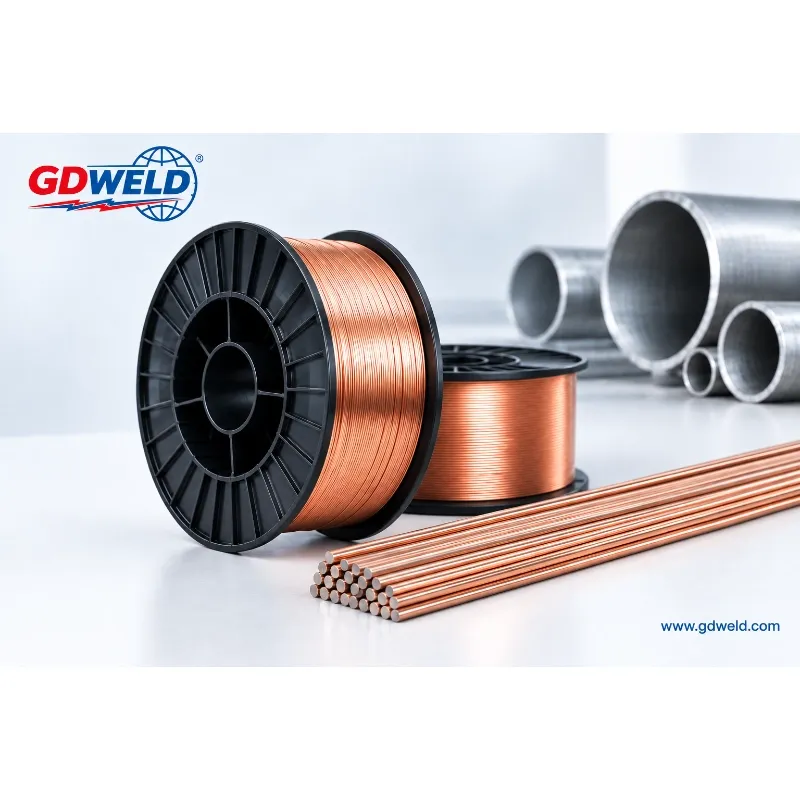
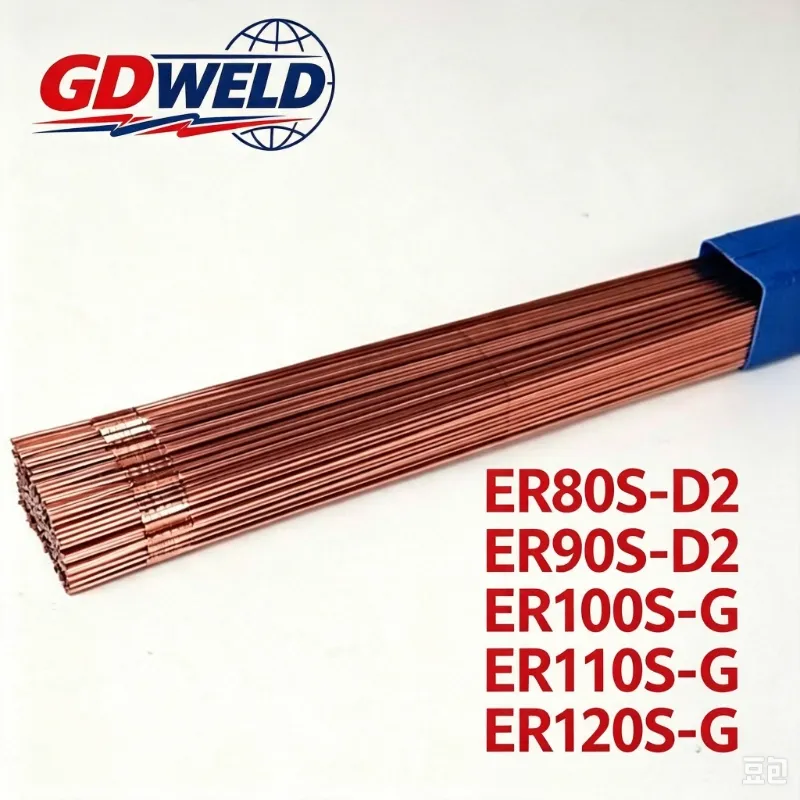
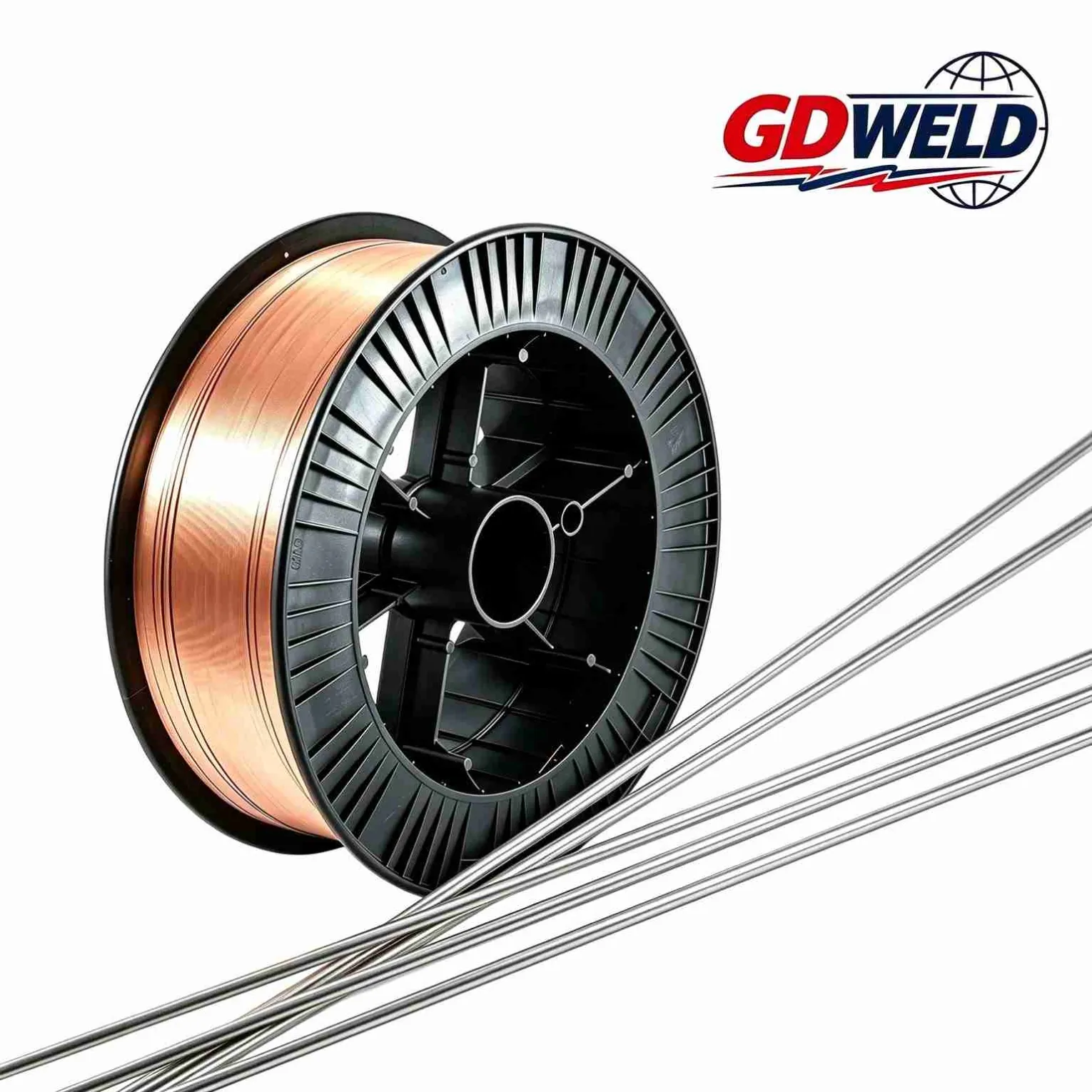
Yes, ER80S-D2 can be suitable for certain high-strength low-alloy steels, but it is not a universal filler metal for every high-strength steel application.
Before selecting ER80S-D2 welding wire, check the base-metal grade, required weld strength, toughness, AWS classification, WPS/PQR and service conditions.
Quick Answer
What to Check | What You Need to Confirm |
|---|---|
Base metal | Exact steel grade and specification |
Weld strength | Required tensile and yield strength |
Toughness | Impact and service-temperature requirements |
AWS classification | Required filler-metal classification |
WPS/PQR | Qualified welding procedure |
Application | Service conditions and applicable code |
If these requirements are compatible, ER80S-D2 may be a suitable welding wire for the application.
1. Check the Base-Metal Grade
Start with the exact steel grade—not simply the term “high-strength steel.”
High-strength low-alloy (HSLA) and low-alloy steels can have different strength levels, alloy compositions and toughness requirements. Check the material certificate, drawing or project specification before choosing the filler metal.
If you do not know the base-metal grade, confirm it first.
2. Check the Required Weld Strength
ER80S-D2 is an AWS A5.28 low-alloy solid welding wire with an ER80 classification.
The key question is:
Does ER80S-D2 provide sufficient weld-metal strength for the joint?
If the application requires higher-strength weld metal, ER80S-D2 may not be sufficient. Depending on the base metal and project specification, ER90S-D2 or ER100S-G may need to be evaluated.
However, higher strength is not automatically better. The filler metal should match the engineering requirements rather than simply exceed them.
For a broader discussion of strength mismatch in HSLA steel welding, see our related guide on strength-mismatch risk in HSLA steel welding.
3. Check Toughness Requirements
Strength is only one part of ER80S-D2 selection.
For low-temperature or impact-critical applications, check:
- Minimum service temperature
- Required impact toughness
- Project specifications
- Applicable welding code
A welding wire may meet the required strength but still be unsuitable if the weld-metal toughness does not satisfy the project requirements.
4. Check AWS A5.28 and the WPS/PQR
Before using ER80S-D2, check the required AWS classification and WPS/PQR.
The welding procedure may specify the filler-metal classification, welding process, shielding gas, preheat, interpass temperature, heat input and PWHT requirements.
Do not substitute ER80S-D2 simply because its strength appears suitable. The qualified welding procedure and applicable code should control the final selection.
5. Check the Actual Application
ER80S-D2 applications can include certain high-strength and low-alloy steel welding situations, but requirements vary between:
- High-strength structural steel
- Low-alloy piping
- Pressure vessels
- Heavy equipment
- Offshore structures
- Low-temperature service
Service temperature, loading conditions, joint design and applicable codes can all affect filler-metal selection.
When Is ER80S-D2 a Good Choice?
ER80S-D2 can be considered when:
✓ The base metal is compatible
✓ ER80 weld-metal strength meets the requirement
✓ Toughness requirements are satisfied
✓ The required AWS classification allows it
✓ The WPS/PQR supports its use
If these conditions are not met, another low-alloy welding wire may be required.
ER80S-D2 vs Higher-Strength Welding Wire
If ER80S-D2 cannot meet the required strength or toughness, consider alternatives such as ER90S-D2 or ER100S-G, depending on the base metal, welding procedure and application.
The goal is not to select the strongest welding wire. The goal is to select the right filler metal for the base material and service requirements.
Final Check Before Ordering ER80S-D2
Before ordering ER80S-D2 welding wire for high-strength steel, confirm:
Base-metal grade → Required weld strength → Toughness → AWS A5.28/WPS → Application
If you need to confirm whether ER80S-D2 is suitable for your application, review the ER80S-D2 welding wire product information or provide the base-metal grade, welding process, wire diameter, required mechanical properties and application.
Bottom Line
ER80S-D2 can be suitable for certain high-strength low-alloy steel applications, but the base-metal grade alone is not enough to make the decision.
The correct selection should be based on material compatibility, weld-metal strength, toughness, AWS classification, WPS/PQR and service conditions.