What Welding Electrode Should Be Used for Alloy 28 (UNS N08028)?
Which welding electrode is suitable for Alloy 28 (UNS N08028)? Learn when to use E383-16 or ER383 and what to check before welding.
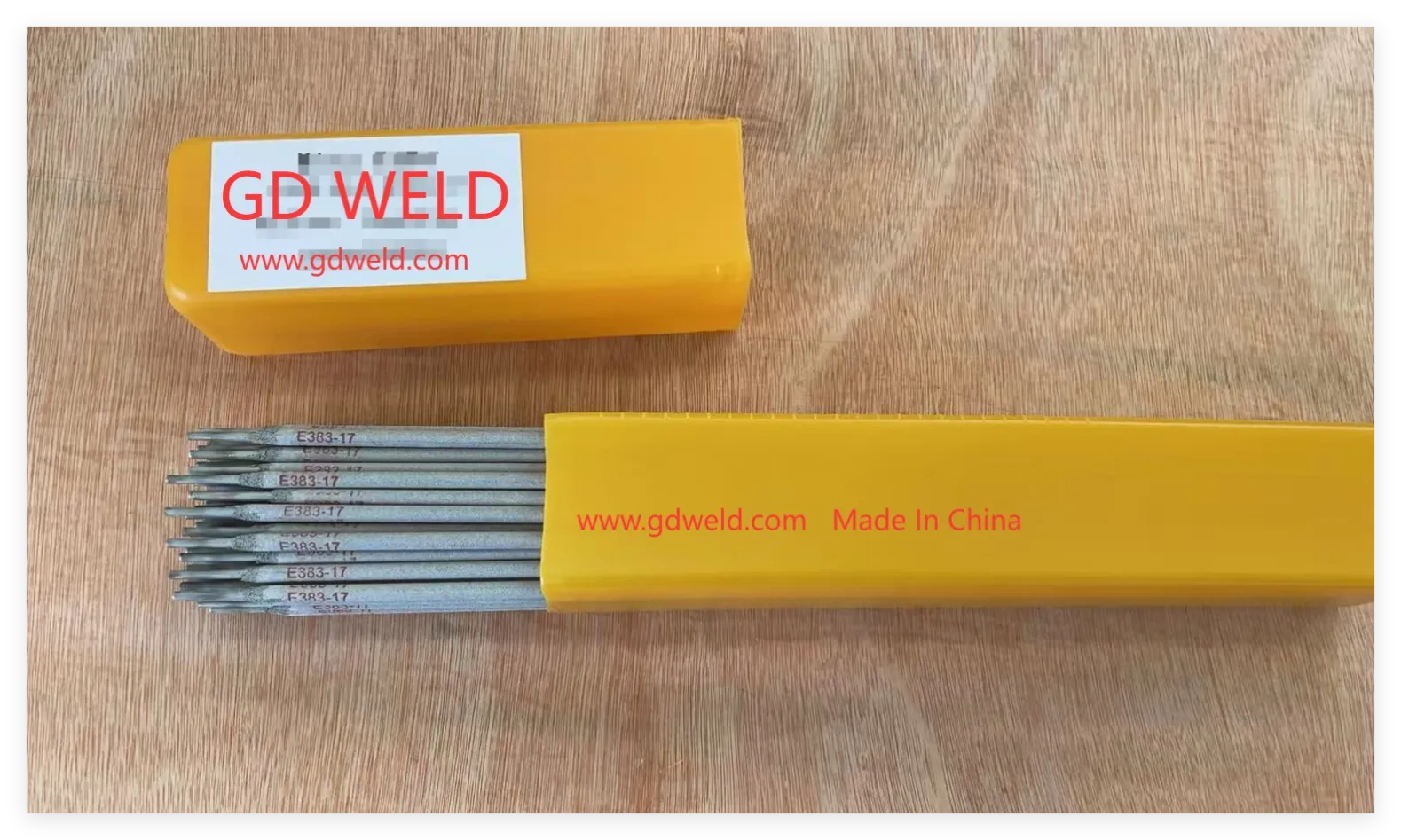
Which Welding Electrode Is Suitable for Alloy 28?
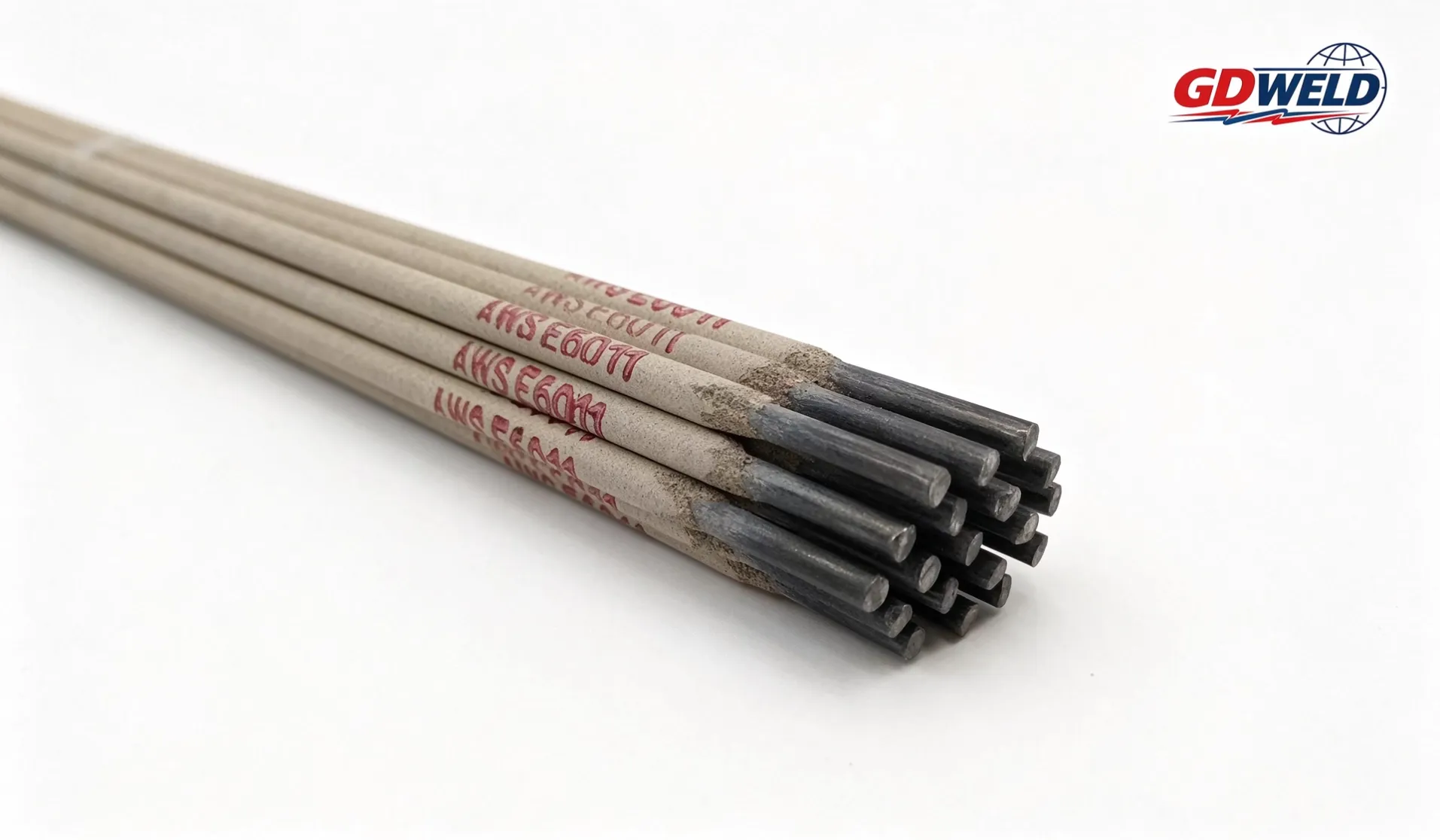
For welding Alloy 28 (UNS N08028), AWS E383-16 is a suitable electrode to consider for Shielded Metal Arc Welding (SMAW).
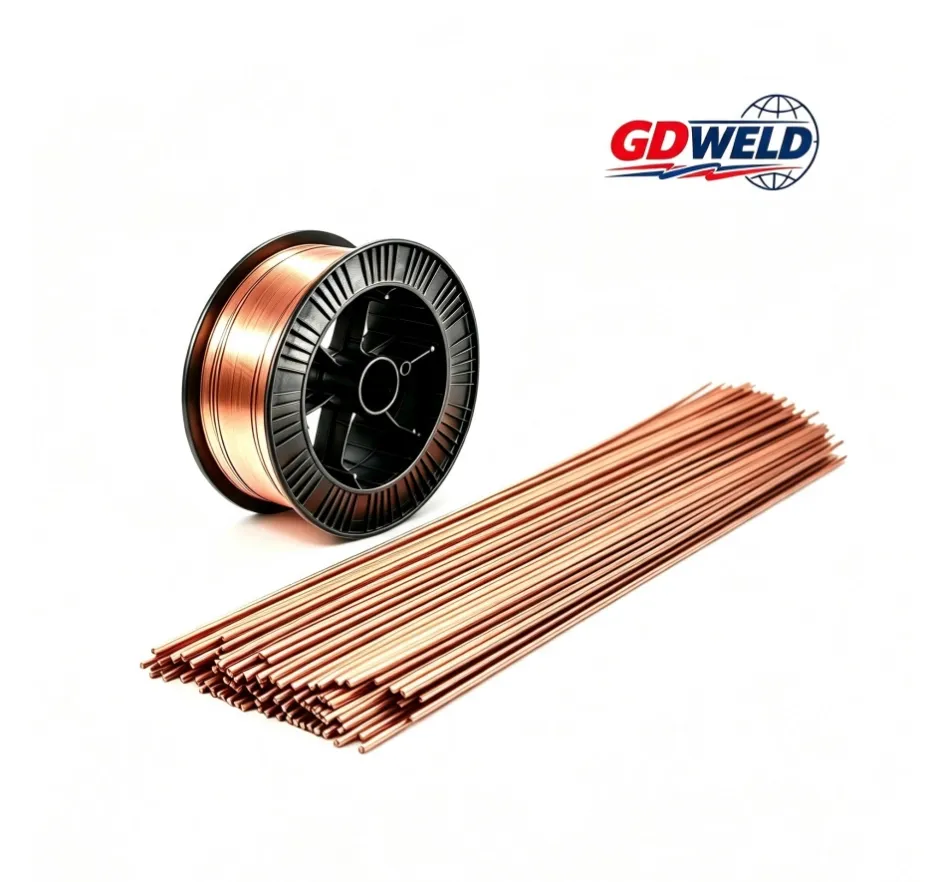
For TIG and MIG welding, the corresponding filler metal to consider is ER383. The correct consumable should always be confirmed against the base metal specification, welding process, service environment, and project requirements.
Alloy 28 is a high-alloy stainless steel designed for demanding corrosive environments. Selecting a compatible filler metal is important for maintaining the corrosion resistance and performance of the welded joint.
E383-16 vs. ER383: What Is the Difference?
The main difference is the welding process, not simply the product form.
Filler metal | Welding process | Typical use |
|---|---|---|
E383-16 | SMAW (Stick Welding) | Manual welding with covered electrodes |
ER383 | GTAW (TIG) / GMAW (MIG) | Welding with solid filler wire |
Both are designed for applications requiring E383-type weld metal. However, always check the applicable AWS classification, product data sheet, and project specification before selecting a consumable.
Why Is E383-16 Used for Alloy 28?
Alloy 28 is also known as UNS N08028 and EN 1.4563. Its high chromium, nickel, molybdenum, and copper content helps provide corrosion resistance in certain aggressive chemical environments.
E383-type weld metal has a nominal composition of approximately:
- Chromium (Cr): 28%
- Nickel (Ni): 31.5%
- Molybdenum (Mo): 3.7%
- Copper (Cu): 1%
This alloy design makes E383-16 a suitable matching electrode to consider when joining Alloy 28.
However, filler metal selection alone does not guarantee corrosion resistance. Welding quality, dilution, surface condition, and the actual operating environment also matter.
Where Is Alloy 28 Used?
Alloy 28 is used in equipment exposed to demanding corrosive conditions, including:
- Chemical processing equipment
- Sulfuric acid handling systems
- Phosphoric acid production equipment
- Chemical storage tanks and pipelines
- Heat exchangers and process vessels
The suitability of a welded joint depends on acid concentration, temperature, impurities, and operating conditions. The filler metal should therefore be checked against the actual service environment.
What Should You Check Before Buying E383-16?
Before selecting an Alloy 28 welding electrode, confirm these four points:
- Base material: Verify that the material is Alloy 28, UNS N08028, or EN 1.4563.
- Welding process: Use E383-16 for SMAW; consider ER383 for TIG or MIG welding.
- Service conditions: Check the chemical medium, concentration, temperature, and potential impurities.
- Technical requirements: Confirm the AWS classification, chemical composition, mechanical properties, dimensions, and applicable project specifications.
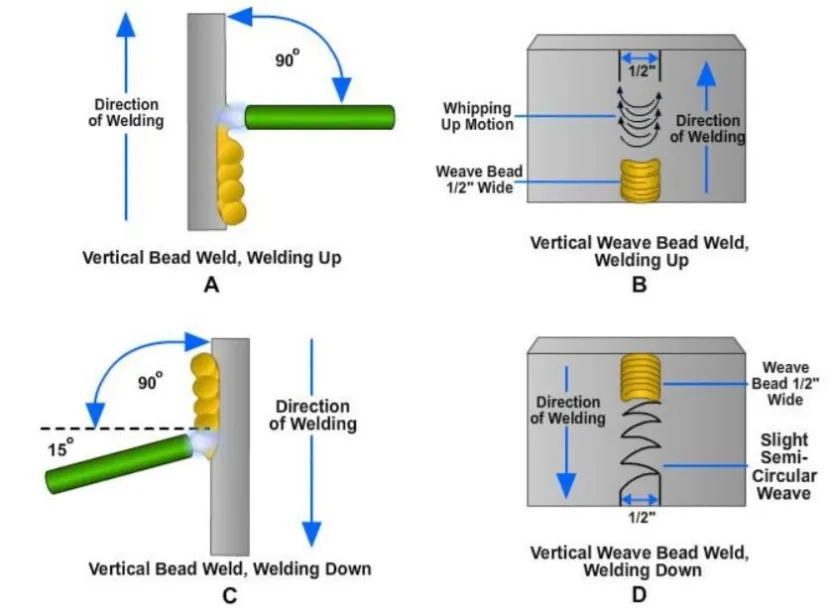
Welding Tips for E383-16
To help maintain weld quality:
- Clean the joint and remove oil, moisture, rust, and other contaminants.
- Follow the electrode manufacturer's instructions for storage and redrying.
- Use the recommended current, polarity, and welding parameters.
- Control heat input and interpass temperature according to the applicable WPS and material manufacturer's recommendations.
- Remove slag and clean the weld surface between passes.
Alloy 28 welding procedures should be qualified for the actual material and service conditions. Avoid applying generic welding parameters without checking the relevant technical documentation.
Need E383-16 Welding Electrodes for Alloy 28?
GD WELD supplies E383-16 stainless steel welding electrodes for applications involving Alloy 28 (UNS N08028).
For product details, chemical composition, mechanical properties, and supply information, visit our E383-16 Stainless Steel Welding Electrode page.
Contact GD WELD with your required electrode diameter, quantity, and technical specifications to discuss your requirements.