Oct 26, 2026
E316L Welding Electrode: Applications, Benefits and When to Use It
What is an E316L welding electrode used for? Explore 316/316L stainless steel applications, chloride corrosion considerations and key selection checks.
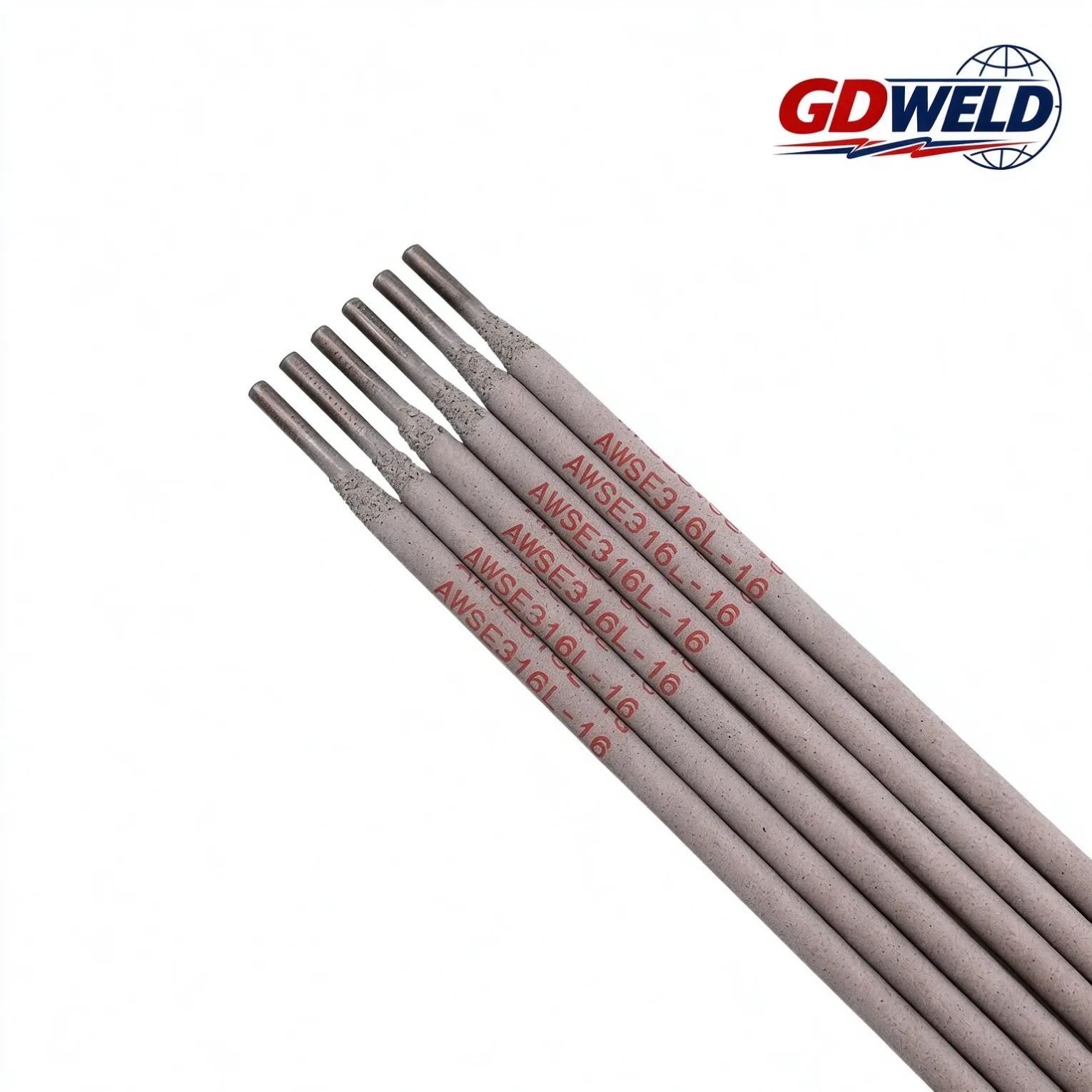
An E316L welding electrode is commonly used for welding compatible 316 and 316L stainless steel components. Its molybdenum-bearing weld metal helps improve resistance to pitting and crevice corrosion in many environments.
But is E316L the right electrode for your application? Before ordering, you need to check the base-metal grade, service environment and required electrode classification.
1. What Is an E316L Welding Electrode?
E316L is a low-carbon chromium-nickel-molybdenum covered electrode classification used for shielded metal arc welding (SMAW), also known as stick welding.
Its alloy composition is designed for applications where 316/316L-type weld metal is required. The low-carbon designation helps reduce the risk of sensitization and associated intergranular corrosion under suitable conditions.
Important: Confirm the complete classification, such as E316L-16 or E316L-17. Different suffixes indicate different electrode usability characteristics and are not automatically interchangeable.
2. What Is E316L Used For?
E316L welding electrodes are commonly considered for compatible 316/316L stainless steel fabrication.
Typical applications include:
- Chemical processing equipment: Tanks, vessels and process components
- Marine-related equipment: Selected components exposed to chloride-containing environments
- Food and pharmaceutical equipment: Stainless steel fabrication subject to material and hygiene requirements
- Industrial piping: Compatible 316/316L pipes, fittings and related components
- General fabrication and maintenance: Applications requiring molybdenum-bearing stainless steel weld metal
The correct electrode depends on the base metals, service conditions and project specifications. For critical equipment, confirm the required weld properties and applicable welding procedure before selecting a consumable.
3. Why Does E316L Contain Molybdenum?
Molybdenum helps improve resistance to localized corrosion, particularly pitting and crevice corrosion, in many chloride-containing environments.
This is one reason 316/316L stainless steel is often considered for applications where 304/304L may not meet the required corrosion performance.
However, E316L does not guarantee resistance to every chloride environment. Temperature, chloride concentration, surface condition, weld quality and post-weld cleaning can all affect performance.
If the component will operate in seawater or another aggressive environment, check the actual service conditions and specified corrosion-test criteria rather than relying on the electrode classification alone.
4. E316L vs E308L: Which Should You Choose?
The choice depends on the base-metal grade and the weld-metal requirements.
Factor | E308L-type electrode | E316L-type electrode |
|---|---|---|
Common base-metal applications | Compatible 304/304L stainless steel | Compatible 316/316L stainless steel |
Molybdenum-bearing weld metal | Not typically at 316L-type levels | Typically required |
Main selection consideration | Compatibility with the specified stainless steel | Compatibility and corrosion requirements where molybdenum-bearing weld metal is needed |
E316L is not automatically better for every stainless steel job. Select the electrode that meets the project specification and qualified welding procedure.
5. What Should You Check Before Ordering E316L?
Before requesting a quotation, confirm these five details:
Base-metal grade: Is the material 316, 316L or another stainless steel grade?
Complete classification: Does the project specify E316L-16, E316L-17 or another electrode classification?
Electrode dimensions: Confirm the required diameter and length.
Welding and testing requirements: Check the approved WPS, welding position, current requirements and any specified mechanical or corrosion tests.
Documentation: Identify whether the project requires a technical data sheet (TDS), material test certificate (MTC), batch traceability or additional approvals.
Providing these details helps the supplier identify a product that matches your purchasing requirements.
E316L Welding Electrodes for Your Project
If you are sourcing covered electrodes for compatible 316/316L stainless steel applications, see our E316L-16 Stainless Steel Welding Electrode product page for product information.
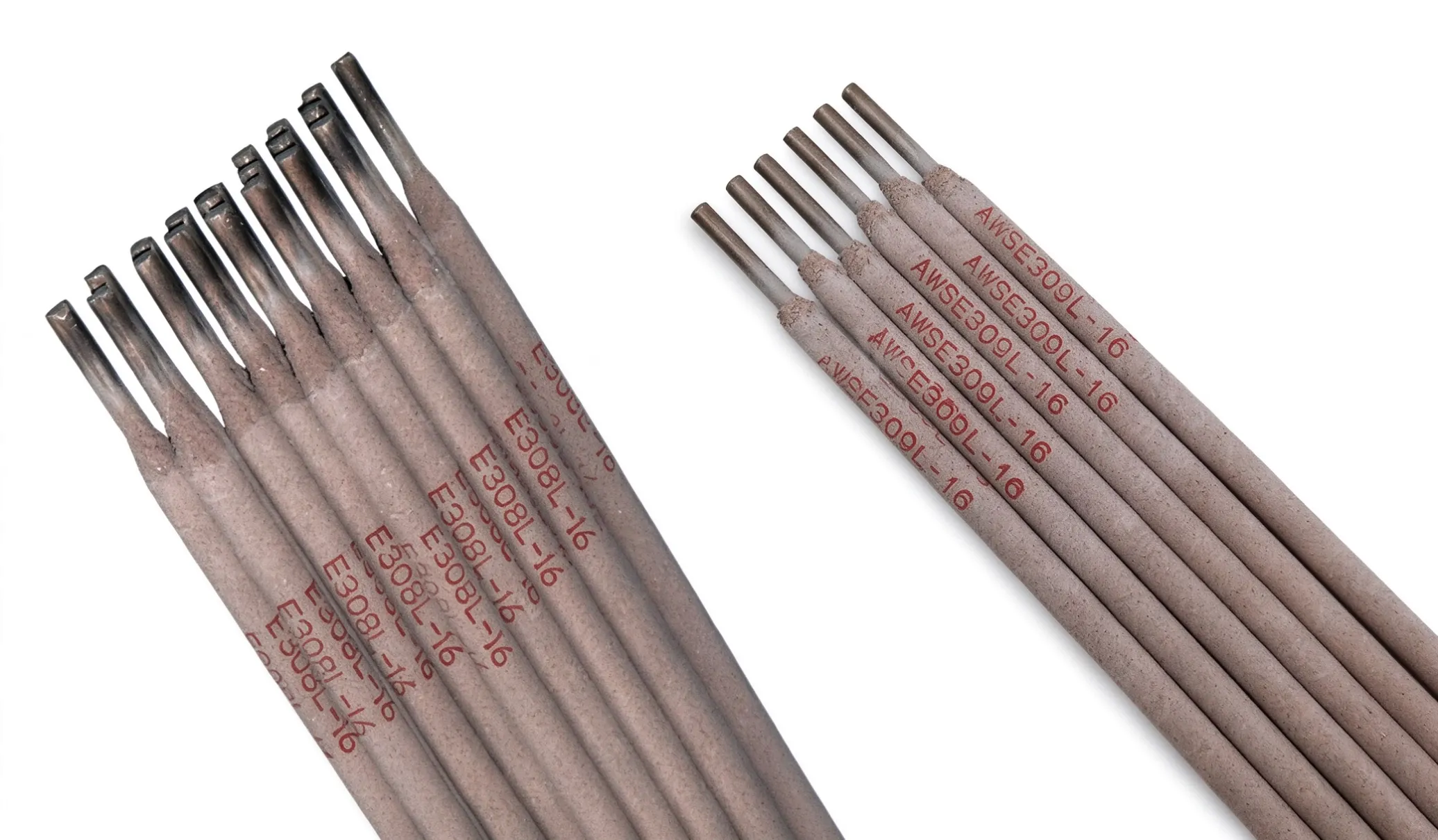
If you are comparing stainless steel electrode classifications, you may also find our guide to E308L-16 vs E316L-16 Welding Electrodes useful.
Please provide your base-metal grade, required electrode diameter, applicable standard, order quantity and any special testing or certification requirements when contacting GD WELD.
Need E316L-16 electrodes for your next project? Send us your specifications to request product information and a quotation.