Oct 12, 2026
Why Does My High-Strength Weld Have Good Strength but Poor Ductility?
Why does a high-strength weld have good tensile strength but poor ductility? Learn how to check weld metal properties, hardness, welding conditions and filler metal selection .
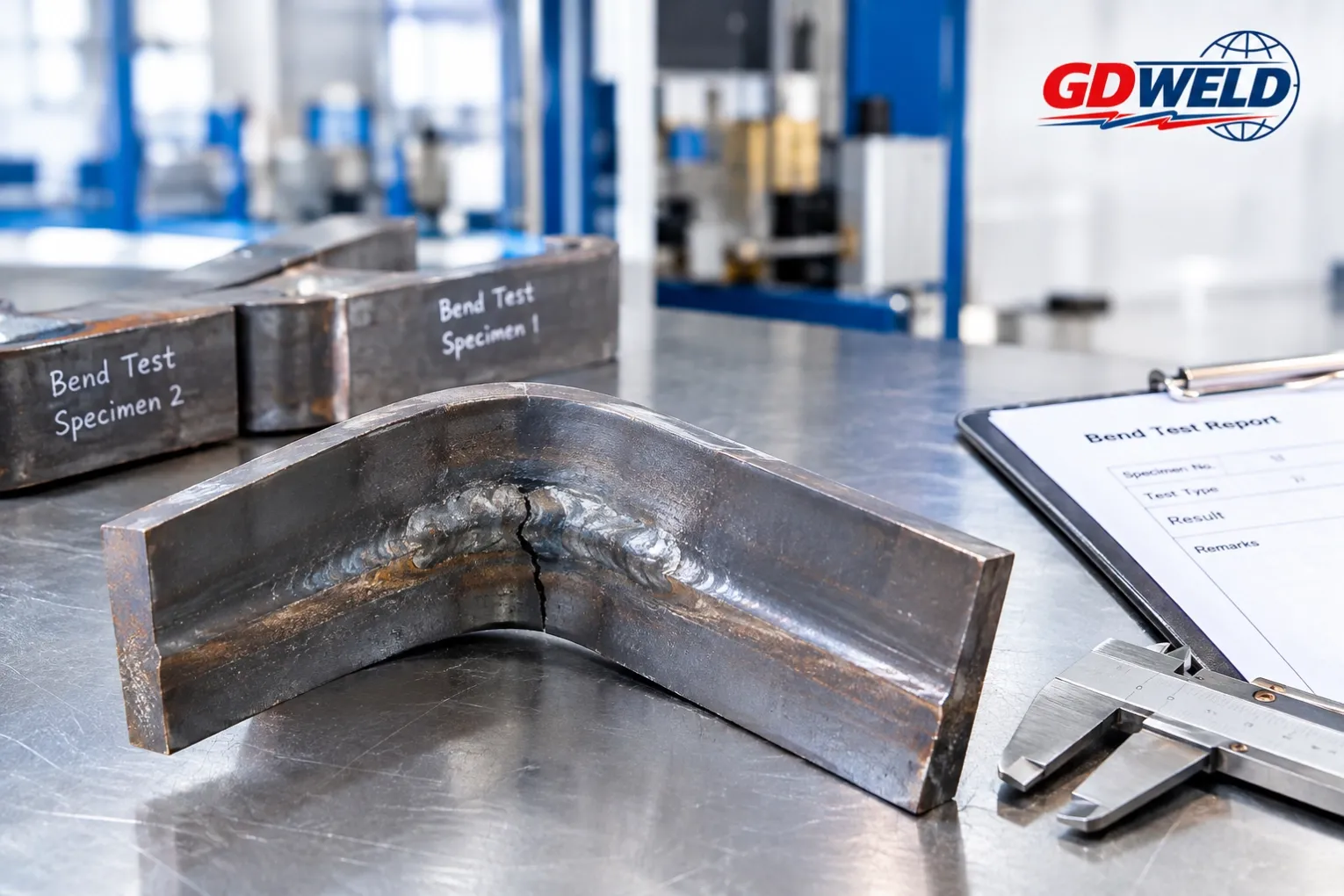
A high-strength weld can pass tensile strength requirements but still show poor ductility or low elongation during testing.
This situation often occurs in high-strength steel welding applications. The weld may appear strong enough, but it may have limited ability to deform before fracture.
High tensile strength does not always mean better weld performance. A reliable weld requires a proper balance between strength, ductility, toughness and hardness.
Before changing the welding wire, identify why the weld has good strength but poor ductility.
1. Why Can a Strong Weld Have Low Ductility?
Strength and ductility are controlled by different factors.
A weld may achieve high strength because of:
- Higher alloy content
- Higher-strength filler metal classification
- Harder weld-metal microstructure
- Faster cooling conditions
However, these factors may also reduce the weld metal’s ability to deform.
For high-strength welding applications, the goal is not to achieve the highest possible strength. The correct welding consumable should provide the required strength while maintaining acceptable ductility and service performance.
2. What Should I Check When Weld Strength Is Good but Elongation Is Low?
When a tensile test shows good strength but low elongation, review the following:
Check item | What to review |
|---|---|
Tensile test result | Strength, elongation and fracture location |
Weld metal properties | Chemical composition, hardness and microstructure |
Welding procedure | Heat input, cooling rate and interpass temperature |
Filler metal selection | Whether the welding wire matches the application |
Base metal and HAZ | Whether failure occurs outside the weld metal |
A low elongation result does not automatically mean the welding wire is unsuitable. The fracture location and welding conditions are also important.
3. Can Welding Wire Selection Affect Weld Ductility?
Yes.
The selected high-strength welding wire directly affects weld-metal chemistry and mechanical properties.
Choosing a filler metal with a higher strength level than required may increase tensile strength, but it does not always improve overall weld performance.
When selecting welding consumables, consider:
- Tensile strength
- Yield strength
- Elongation
- Impact toughness
- Hardness requirements
The strongest welding wire is not always the best choice. The correct filler metal should match the base material, joint design and service requirements.
For related guidance:
👉 Internal Link 1:
Anchor text: Can I Replace ER100S-G With ER110S-G? What Should I Check?
Link to: Can I Replace ER100S-G With ER110S-G? What Should I Check?
4. Can Welding Conditions Reduce Ductility?
Even with the correct welding wire, welding parameters can influence final weld properties.
Important factors include:
Heat Input
Heat input affects weld-metal transformation and final microstructure.
Cooling Rate
Rapid cooling may increase hardness and reduce ductility in some high-strength steels.
Interpass Temperature
Incorrect temperature control during multi-pass welding may affect weld-metal performance.
The qualified welding procedure (WPS/PQR) should always be reviewed before changing the welding consumable.
5. Is High Weld Hardness Related to Poor Ductility?
In many high-strength steel welding applications, excessive hardness can be associated with reduced ductility.
A harder weld metal may provide higher strength but lower deformation capability.
If hardness is suspected, check:
- Welding heat input
- Cooling conditions
- Preheat requirements
- Interpass temperature
- Welding consumable selection
For more information:
👉 Internal Link 2:
Anchor text: Why Is My High-Strength Weld Too Hard? What Should I Check?
Link to: Why Is My High-Strength Weld Too Hard? What Should I Check?
6. What Should I Check Before Changing Welding Consumables?
Do not immediately replace the welding wire.
Follow this troubleshooting process:
- Confirm the required mechanical properties.
- Review tensile-test results, especially elongation and fracture location.
- Check welding parameters and WPS/PQR requirements.
- Verify filler-metal classification and technical data.
- Select a suitable welding consumable based on the actual application.
Changing to a higher-strength welding wire may not solve a ductility problem caused by welding conditions, excessive hardness or unsuitable welding parameters.
For more information about choosing different strength levels:
👉 Internal Link 3:
Anchor text: How Do I Choose Between ER80S-D2, ER90S-D2, ER100S-G and ER110S-G?
Link to: How Do I Choose Between ER80S-D2, ER90S-D2, ER100S-G and ER110S-G?
Conclusion
A high-strength weld can have good tensile strength but poor ductility because strength and deformation ability are influenced by different factors.
Do not select welding consumables based only on strength level.
The best welding solution should balance:
- Strength
- Ductility
- Toughness
- Hardness
- Service requirements
Before changing the welding wire, identify the real cause of low ductility and verify the welding procedure and material requirements.