Oct 13, 2026
Why Does My Low-Temperature Weld Pass Tensile Test but Fail Charpy Impact Test?
Why does a low-temperature weld pass tensile test but fail the Charpy impact test? Learn how welding wire selection, weld toughness and temperature affect low-temperature steel welding performance.
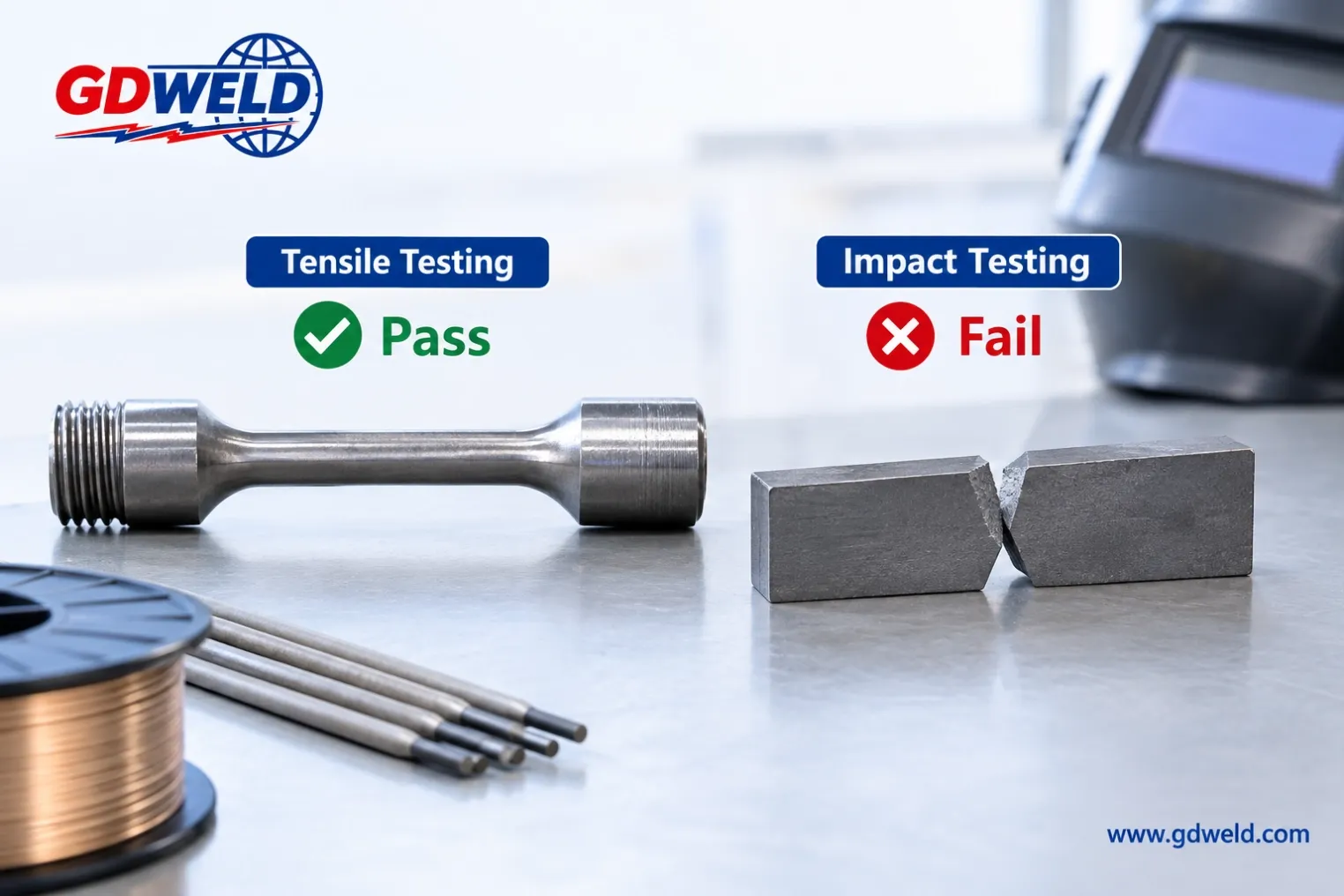
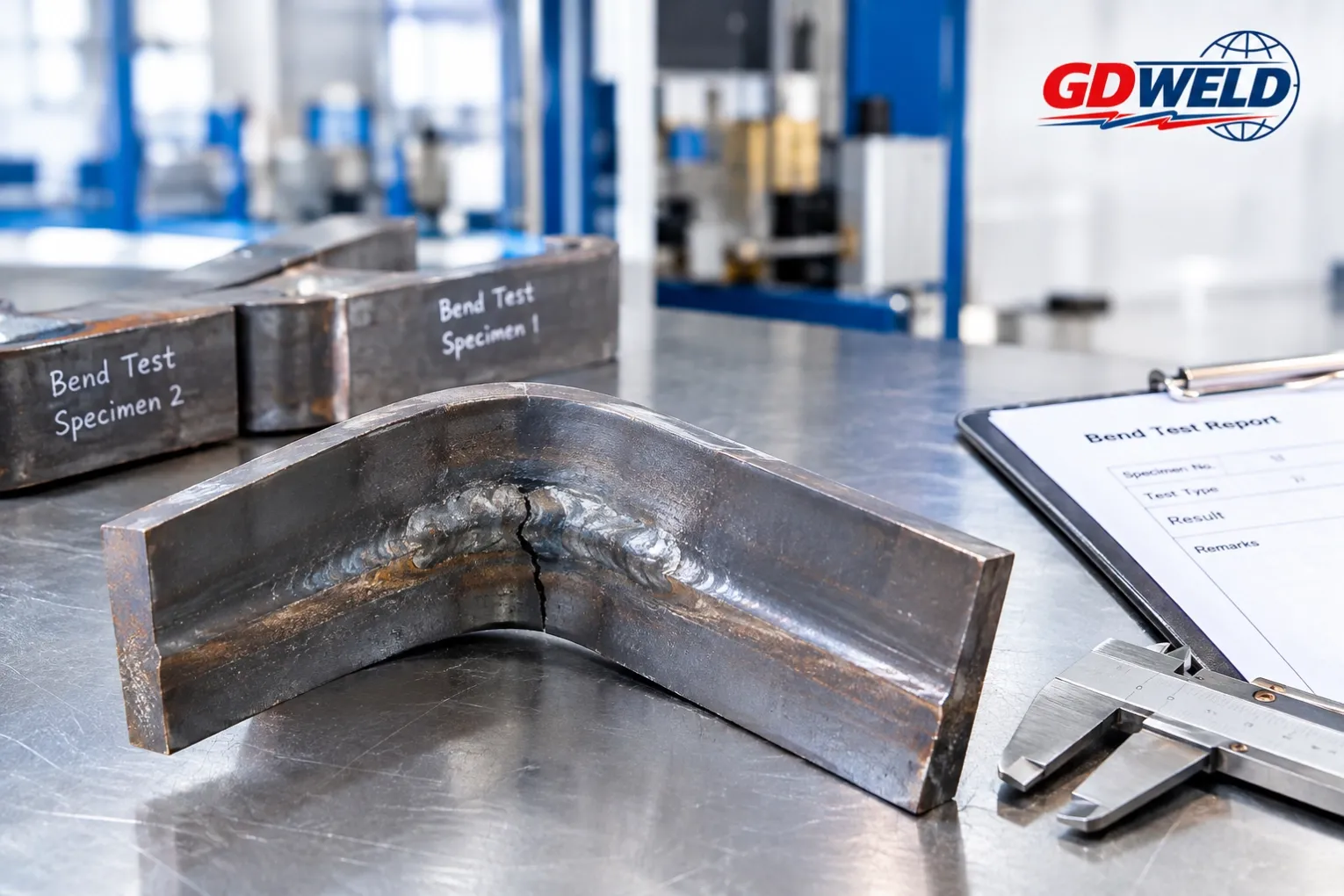
Your weld passed the tensile test, but the Charpy impact test failed.
What should you check first?
This problem often appears in:
- Low-temperature pressure vessels
- LNG and energy equipment
- Chemical processing systems
- Low-temperature pipelines
Many engineers face the same question:
“If the weld strength is acceptable, why does it fail the impact test?”
The reason is that tensile strength and Charpy impact toughness measure different weld properties.
A weld can withstand static loading but still lack enough toughness to resist brittle fracture at low temperatures.
For low-temperature steel welding, strength is important, but toughness is equally critical.
1. Did You Choose Welding Wire Only Based on Strength?
A common mistake is selecting welding wire only according to tensile strength.
However, a higher-strength welding consumable does not always provide better low-temperature performance.
Tensile testing evaluates:
- Ultimate tensile strength
- Yield strength
- Resistance to pulling force
Charpy impact testing evaluates:
- Energy absorption ability
- Resistance to brittle fracture
- Low-temperature toughness
This means a weld can pass tensile testing but fail Charpy impact testing if the weld metal does not have sufficient toughness at the required temperature.
For low-temperature applications, the key question is not:
“Which welding wire has the highest strength?”
The better question is:
“Which welding wire can maintain toughness under actual service conditions?”
2. Is Your Welding Wire Suitable for Low-Temperature Steel?
Welding consumable selection is one of the most important factors affecting Charpy impact performance.
For low-temperature steel welding, nickel-alloyed welding wires are commonly selected because nickel helps improve weld-metal toughness at reduced temperatures.
Common low-temperature welding consumables include:
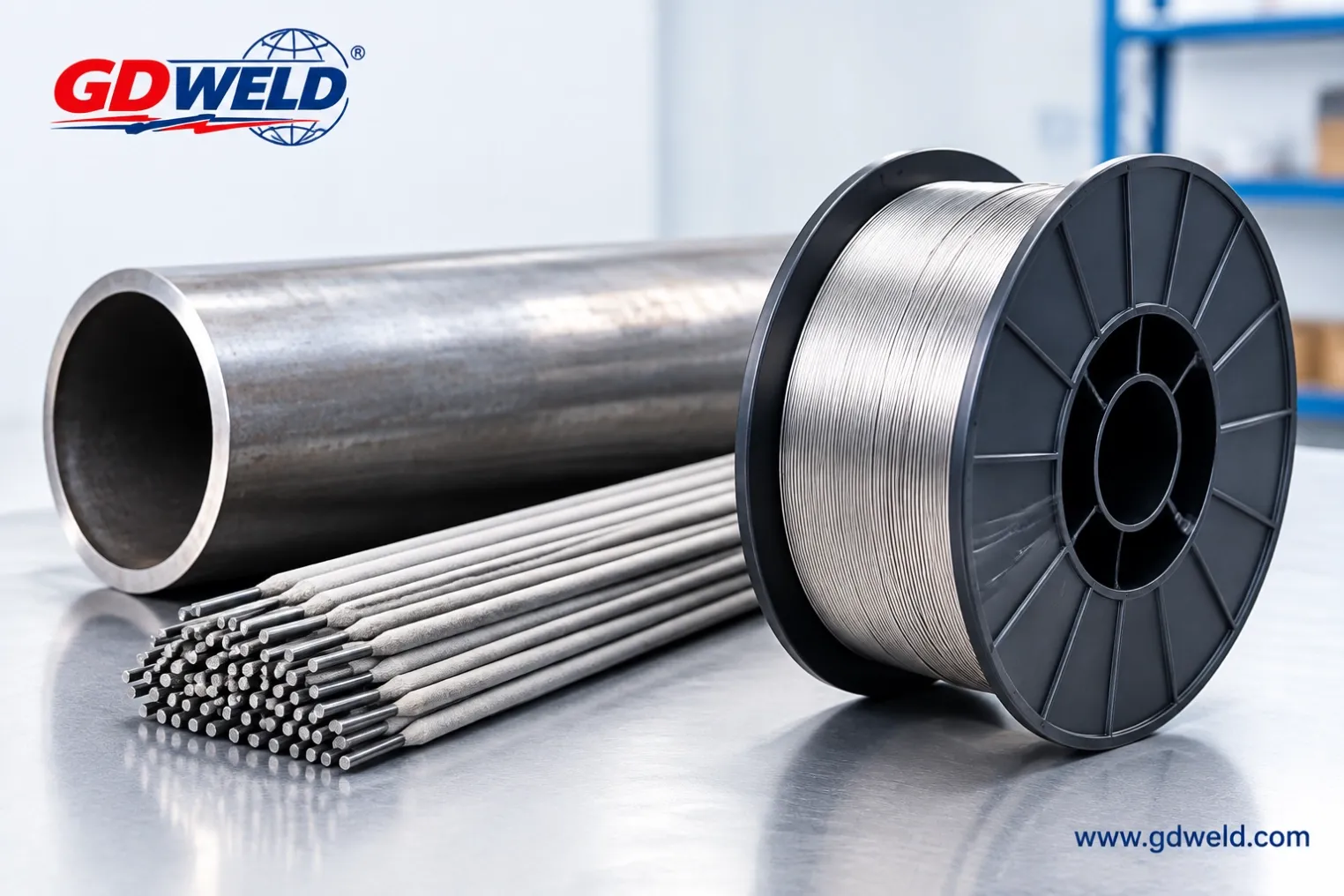
GMAW/GTAW Welding Wire
- ER80S-Ni1 welding wire
- ER80S-Ni2 welding wire
- ER80S-Ni3 welding wire
SMAW Welding Electrode
- E8018-C3 welding electrode
- E8018-Ni1 welding electrode
These AWS classified welding consumables are designed for applications requiring improved low-temperature weld performance.
However, a higher alloy content does not automatically guarantee better Charpy impact results.
Before changing welding wire, check:
- Base material grade
- Service temperature
- Required impact energy
- Weld-metal chemistry
- Approved welding procedure
For example, ER80S-Ni2 may provide different low-temperature toughness characteristics compared with ER80S-Ni1, but replacement should only be considered after reviewing project requirements.
Related article:
👉 Internal Link 1:
Anchor text: Can ER80S-Ni2 Replace ER80S-Ni1 for Low-Temperature Steel?
Link to: Can ER80S-Ni2 Replace ER80S-Ni1 for Low-Temperature Steel?
3. Could the Charpy Test Condition Cause Failure?
Sometimes the welding wire is correct, but the test condition reveals a toughness problem.
A weld that performs well at room temperature may fail when tested at a lower temperature because impact toughness decreases as temperature drops.
Before changing consumables, check:
Check Item | Why It Matters |
|---|---|
Impact test temperature | Determines toughness requirement |
Required impact energy | Defines acceptance criteria |
Test location | Weld metal and HAZ may perform differently |
Testing standard | Ensures correct evaluation |
For low-temperature service, testing conditions should match the actual operating environment.
4. Can Welding Procedure Reduce Weld Toughness?
Even with the correct welding wire, welding conditions can influence Charpy impact performance.
Important factors include:
Heat Input
Excessive or insufficient heat input may affect weld microstructure and toughness.
Interpass Temperature
Incorrect temperature control during multi-pass welding can change final weld properties.
Cooling Rate
Cooling conditions influence hardness, ductility and impact resistance.
Hydrogen Control
Proper hydrogen control helps maintain weld reliability in critical applications.
The final weld performance depends on the combination of:
- Welding consumable
- Welding process
- Welding parameters
- Weld-metal microstructure
5. What Should You Check Before Changing Welding Wire?
If your low-temperature weld passes tensile testing but fails Charpy impact testing, follow these steps:
Step 1: Confirm the Test Requirement
Check:
- Required impact temperature
- Required impact energy
- Testing location
Step 2: Review Welding Consumable Selection
Confirm:
- AWS classification
- Chemical composition
- Application suitability
Step 3: Review Welding Procedure
Check:
- Heat input
- Preheat temperature
- Interpass temperature
- Welding parameters
Step 4: Select the Correct Welding Wire
Do not simply choose a stronger welding wire.
The correct filler metal should provide the required balance of:
- Strength
- Ductility
- Impact toughness
For product information:
👉 Internal Link 2:
Anchor text: ER80S-Ni1 Welding Wire for Low-Temperature Steel Applications
Link to: ER80S-Ni1 Welding Wire for Low-Temperature Steel Applications
FAQ
Can a higher-strength welding wire improve Charpy impact results?
Not always.
Higher tensile strength does not automatically mean better low-temperature toughness. The welding wire must match the required service temperature and impact requirements.
Why are nickel-alloy welding wires used for low-temperature steel?
Nickel can improve weld-metal toughness at reduced temperatures, making nickel-alloy welding wires suitable for many low-temperature applications.
Should I replace ER80S-Ni1 with ER80S-Ni2 if Charpy impact testing fails?
Not necessarily.
The replacement depends on the base material, welding procedure qualification and project requirements.
Conclusion
If your low-temperature weld passes tensile testing but fails the Charpy impact test, do not immediately replace it with a stronger welding wire.
First check:
- Is the welding wire suitable for low-temperature steel?
- Is the impact test temperature correct?
- Does the welding procedure meet requirements?
- Does the weld metal provide enough toughness?
For low-temperature steel welding, the best welding wire is not always the strongest one. It is the one that provides reliable impact toughness under the actual service conditions.
-