Oct 4, 2026
Why Does High-Strength Steel Crack After Welding? What Should I Check?
Why does high-strength steel crack after welding? What should you check before repairing the weld—crack location, timing, welding wire, preheat, or the WPS?
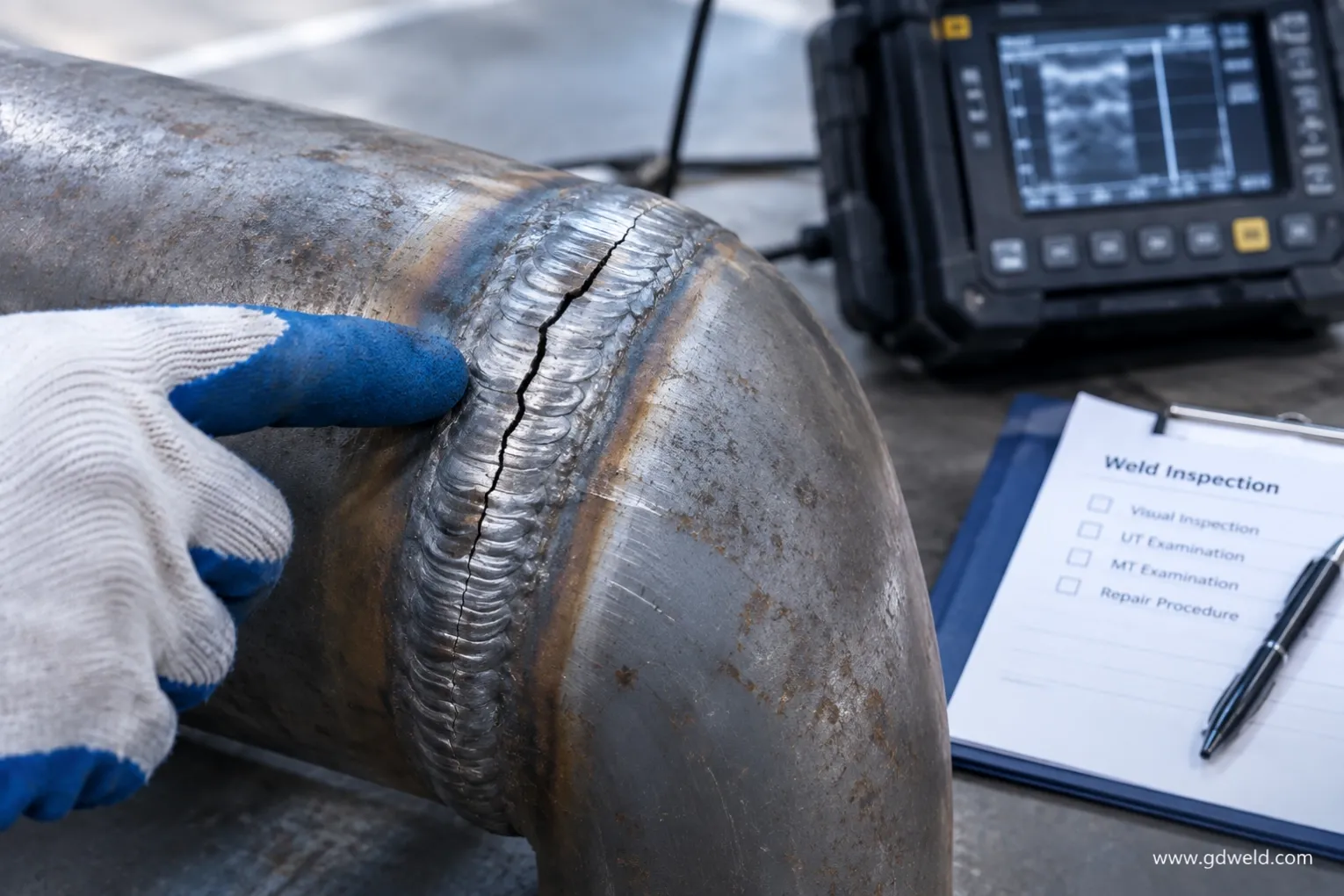
The Crack Is There — Don't Repair It Yet
You have finished welding a high-strength steel component, but a crack has appeared.
The first reaction is often:
“Grind it out and weld it again.”
But repairing the crack before identifying the cause can lead to the same problem again.
Instead, start with two simple clues:
Where is the crack?
When did it appear?
These can help determine what to investigate first.
First Clue: Where Is the Crack?
Weld Metal
If the crack is mainly inside the deposited weld metal, check the welding consumable, weld-metal chemistry, hydrogen control and welding parameters.
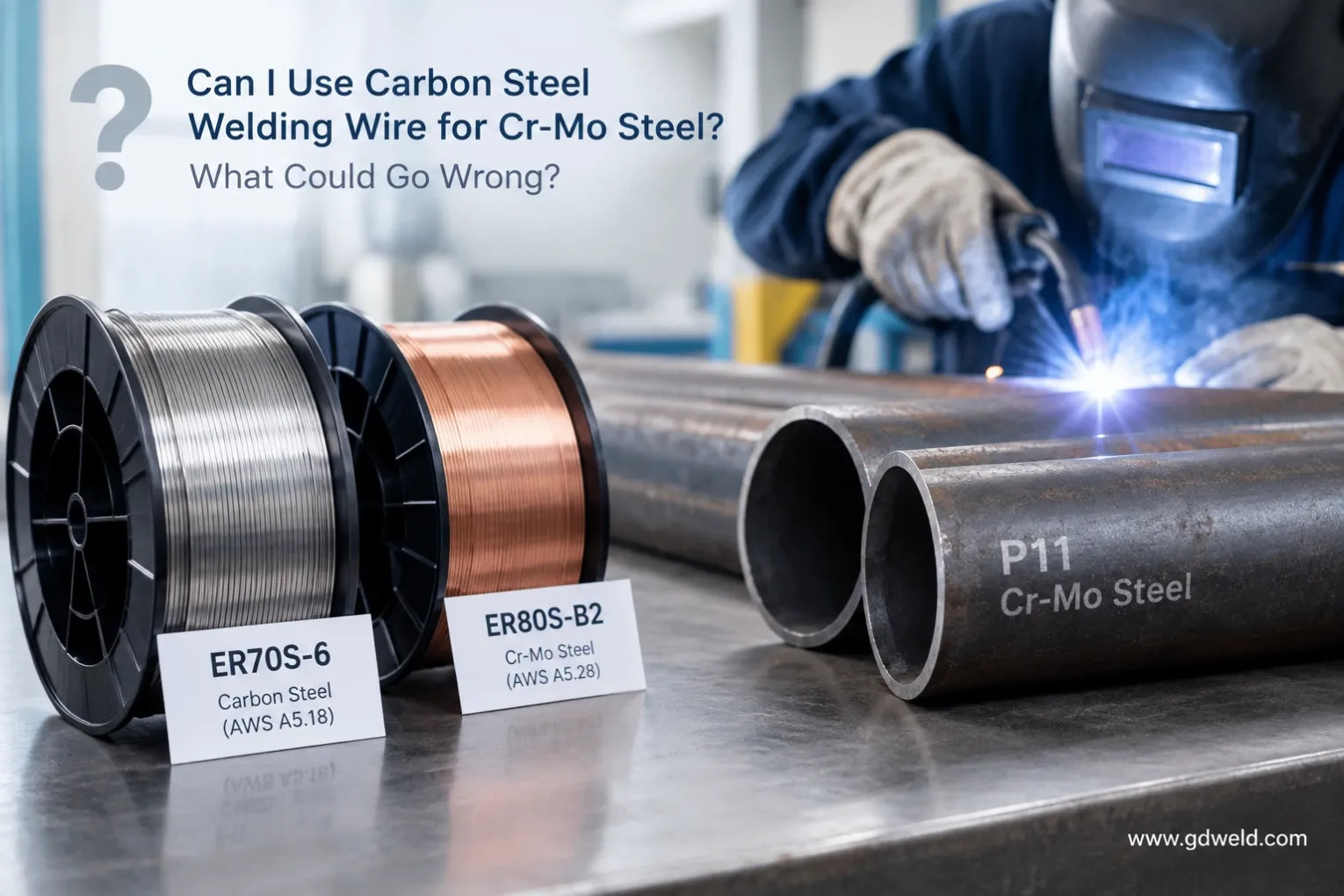
For high-strength applications, wires such as ER80S-D2, ER90S-D2, ER100S-G and ER110S-G may be considered depending on the base material and required properties.
Do not select the wire only by tensile strength. Strength, toughness, chemistry and cracking resistance all need to be considered.
HAZ
If the crack is close to the heat-affected zone (HAZ), look at the base steel and welding thermal cycle.
Check:
- Base-metal chemistry
- Carbon equivalent
- Preheat
- Cooling rate
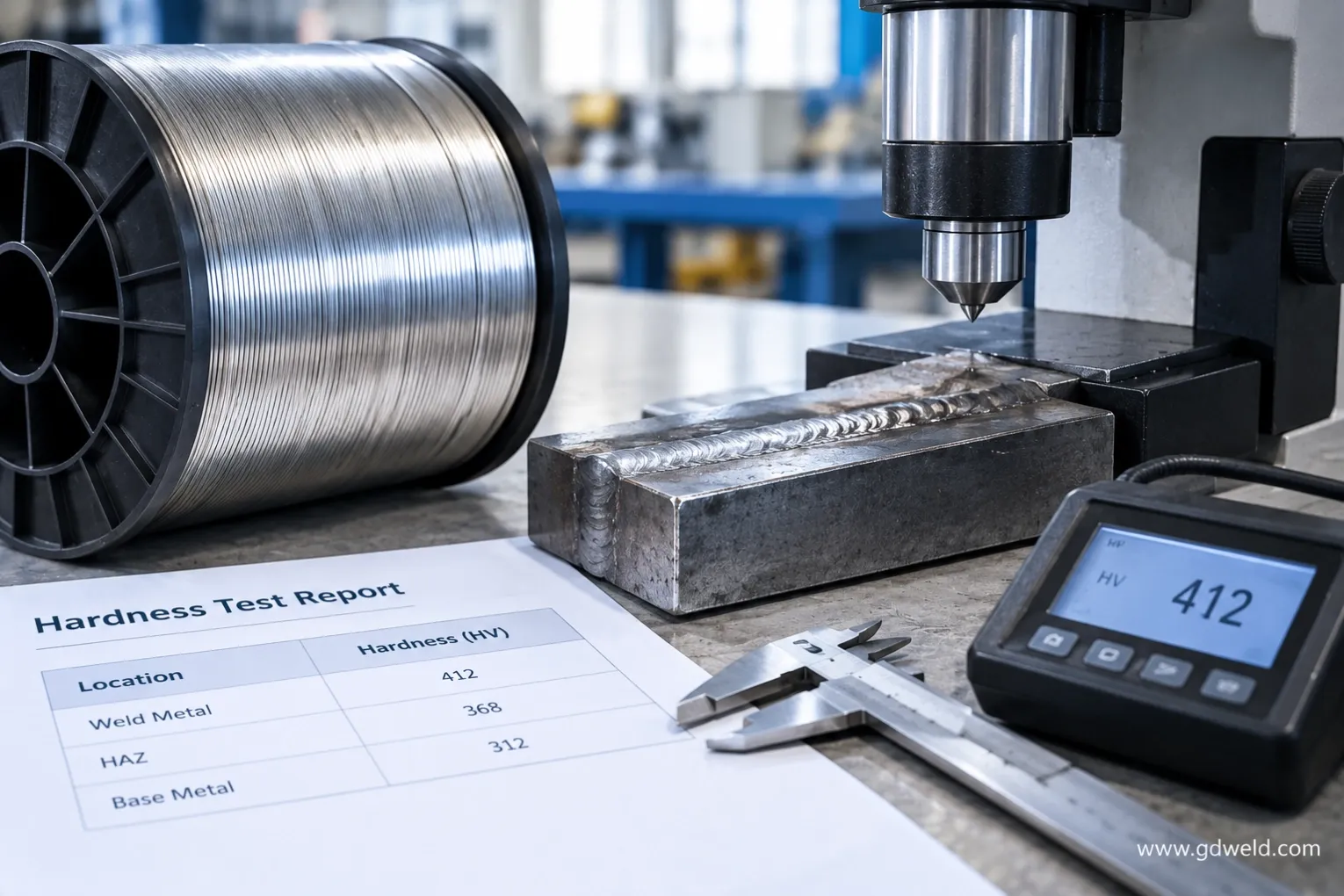
- HAZ hardness
- Heat input
Changing the welding wire alone may not solve a HAZ cracking problem.
👉 Internal Link 1:
Anchor text: brittle HAZ cracking in high-strength steel welding
Link to: How to Avoid Brittle HAZ Cracking When Using High Strength Solid Welding Wire
Second Clue: When Did the Crack Appear?
The timing can provide another useful clue.
During welding:
Review joint restraint, welding conditions and weld-metal behavior.
Soon after welding:
Check preheat, cooling rate, HAZ hardness and hydrogen control.
Several hours after welding:
Investigate possible hydrogen-assisted or delayed cracking.
This is especially important for high-strength steel because a weld can look acceptable immediately after welding and develop cracks later.
👉 Internal Link 2:
Anchor text: delayed cold cracking in high-strength steel welds
Link to: What Causes Delayed Cold Cracking on High-Strength Steel Solid Wire Joints?
What Changed From the Last Successful Weld?
If this material was welded successfully before, don't start by changing everything.
Ask:
What was different this time?
Compare the actual production weld with the qualified WPS.
Check:
- Welding consumable
- Preheat and interpass temperature
- Current and voltage
- Travel speed
- Heat input
- Joint restraint
- Consumable storage and handling
Sometimes the problem is not a new material or new welding wire, but a change in the welding conditions.
Is the Welding Wire Really the Problem?
Not necessarily.
For high-strength steel, choosing a welding wire with a higher tensile strength does not automatically reduce cracking risk.
The consumable should match the base material, required mechanical properties and qualified welding procedure.
For example, ER100S-G and ER110S-G should be evaluated according to the actual application rather than selected simply because they provide higher strength.
The better question is:
Does this welding consumable match the joint and welding procedure?
👉 Internal Link 3:
Anchor text: high-strength welding wire selection
Link to: HSLA Steel Welding: How to Avoid Strength-Mismatch Risk with Solid Wire
Before You Repair the Crack
Once the crack has been identified, confirm the cause before repair welding.
A practical sequence is:
Crack location
↓
Crack timing
↓
NDT / crack evaluation
↓
Welding consumable and WPS review
↓
Preheat / heat input / hydrogen control
↓
Repair procedure
Only then should the crack be removed and the repair weld performed according to the applicable procedure.
A Simple Rule for High-Strength Steel Cracking
When a high-strength steel weld cracks, don't immediately ask:
“Which welding wire should I change to?”
Ask:
“What changed, where did the crack start, and when did it appear?”
These three questions can quickly narrow the investigation.
The Key Point
High-strength steel cracking is rarely solved by changing one variable blindly.
Start with the crack location and timing, then compare the actual welding conditions with the qualified WPS.
Check the base material, welding consumable, preheat, cooling, heat input, hydrogen control and repair procedure before welding again.
That approach helps identify the real cause instead of simply repairing the visible crack.