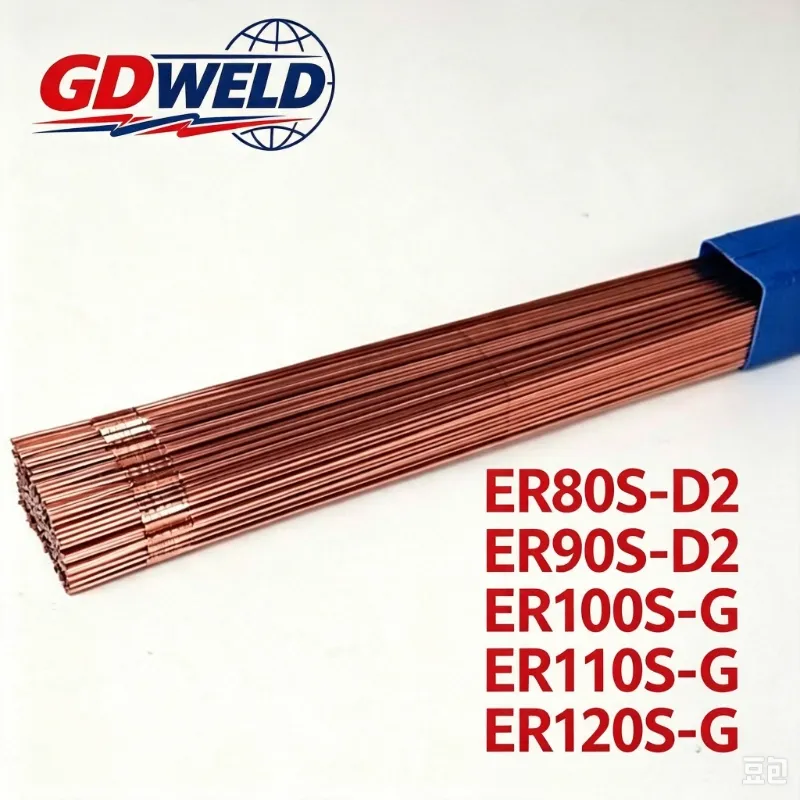
How Cast & Helix Defects Ruin Robotic Welding with High-Strength Solid Wire
ER80S-D2 / ER100S-G robotic welding plagued by bird-nesting, spatter, and downtime? Learn how poor cast and helix tolerance cause feeding failures
Technical Blog
Practical guides for selecting welding consumables, understanding AWS classifications and solving material-specific welding challenges.
ER80S-D2 / ER100S-G robotic welding plagued by bird-nesting, spatter, and downtime? Learn how poor cast and helix tolerance cause feeding failures
High-Strength Solid Wire Low-Temperature Impact Toughness Solution" meta_description: "Why ER100S-G passes tensile but fails -40°C Charpy. Learn how Ti-B micro-alloy control ensures stable low-tempera
High-strength wires (ER80S-G etc.) look fine post-weld, but cracks appear hours later due to martensite + hydrogen + stress in thick parts. GD-WELD controls impurities to cut crack risk.
Install flux-core welding wire for gasless MIG the right way: spool direction, drive-roll tension, stickout, and DCEN polarity to stop bird-nesting and porous welds.
Compare the four common arc welding processes—MIG, TIG, Stick, and flux-core—so you can pick the right method for steel, aluminum, outdoor repair, or precision work.
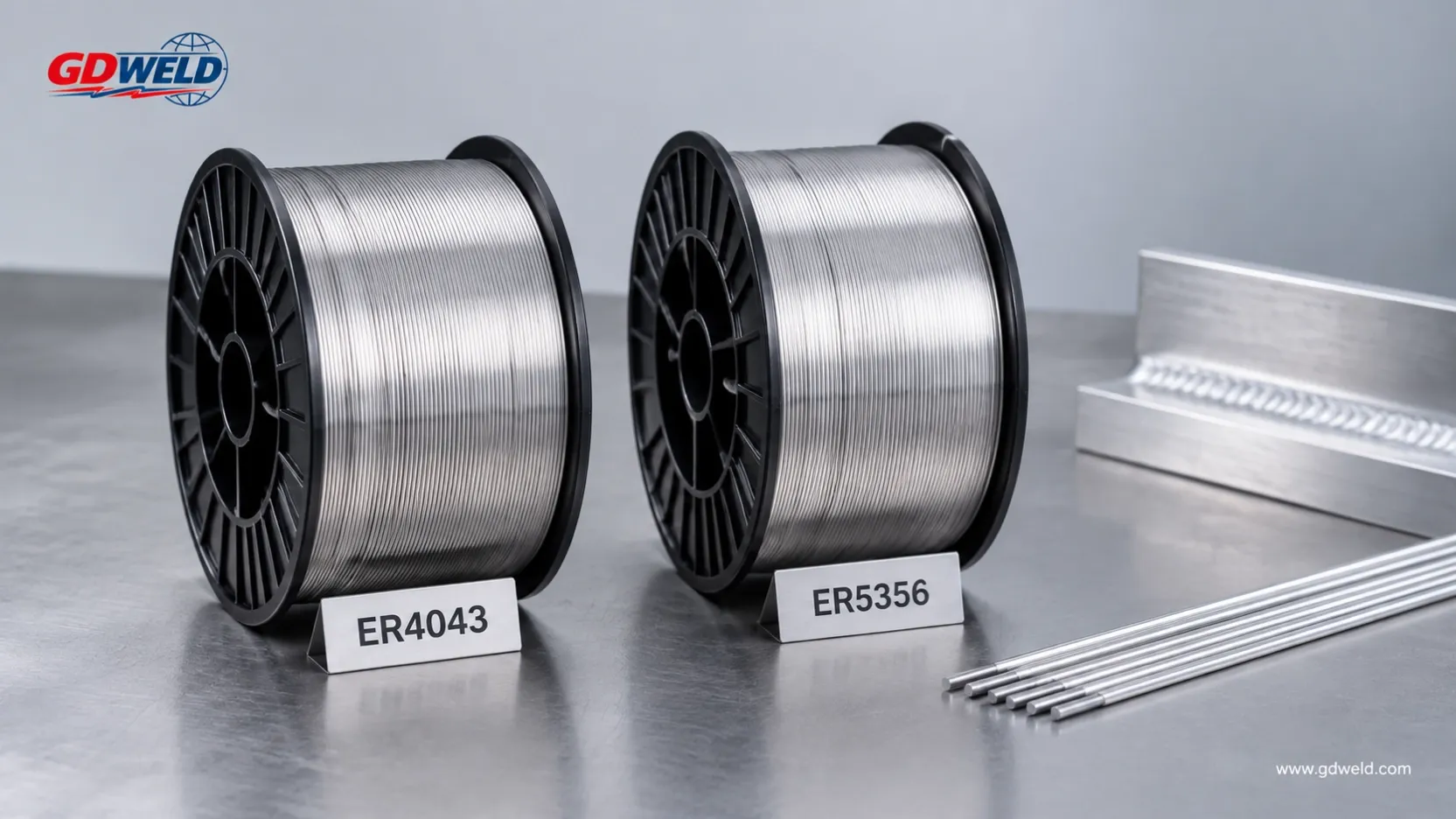
Compare ER4043 vs ER5356 aluminum welding wire for 6061, 6063 and 5xxx alloys. Learn about strength, cracking, corrosion resistance and anodizing.
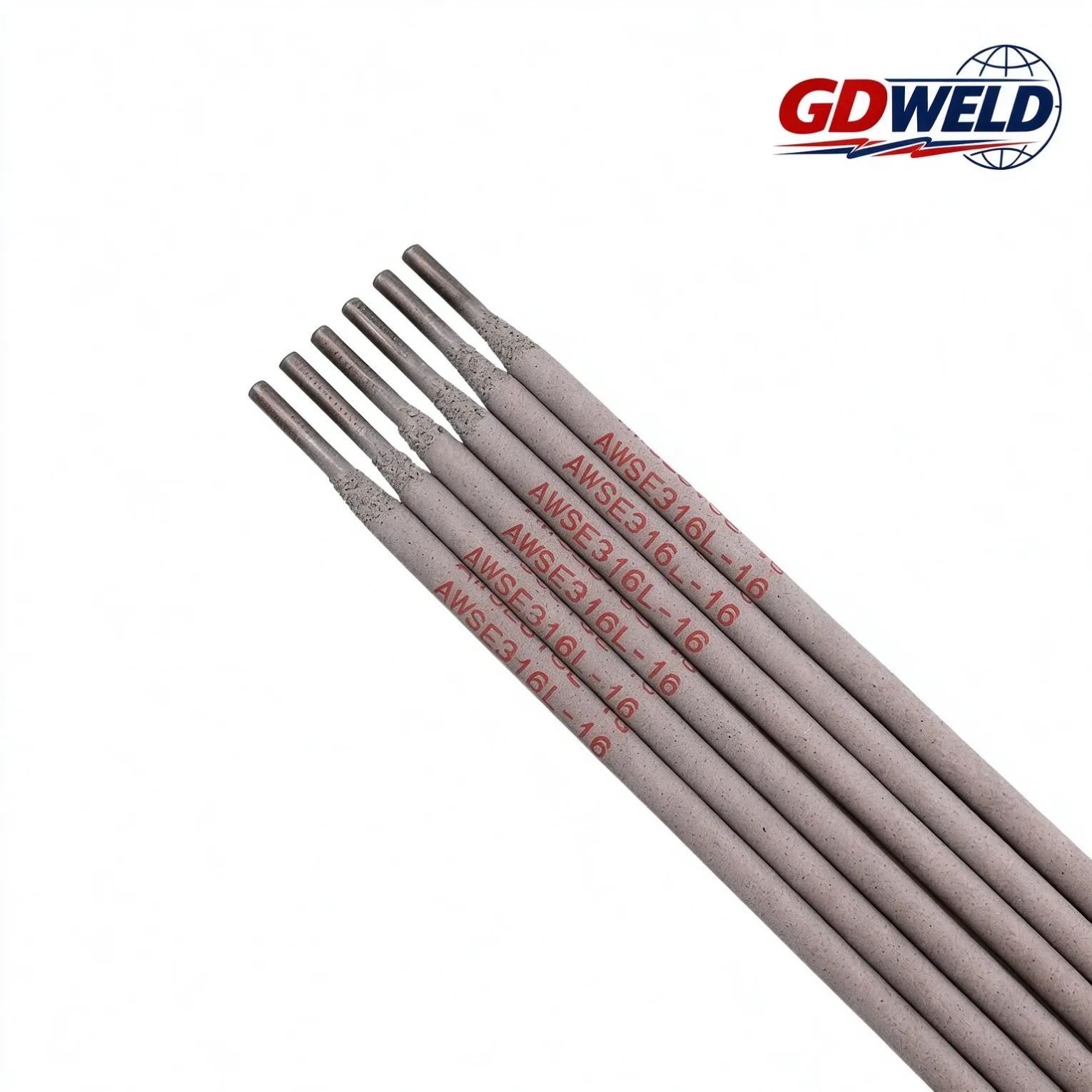
What is an E316L welding electrode used for? Explore 316/316L stainless steel applications, chloride corrosion considerations and key selection checks.
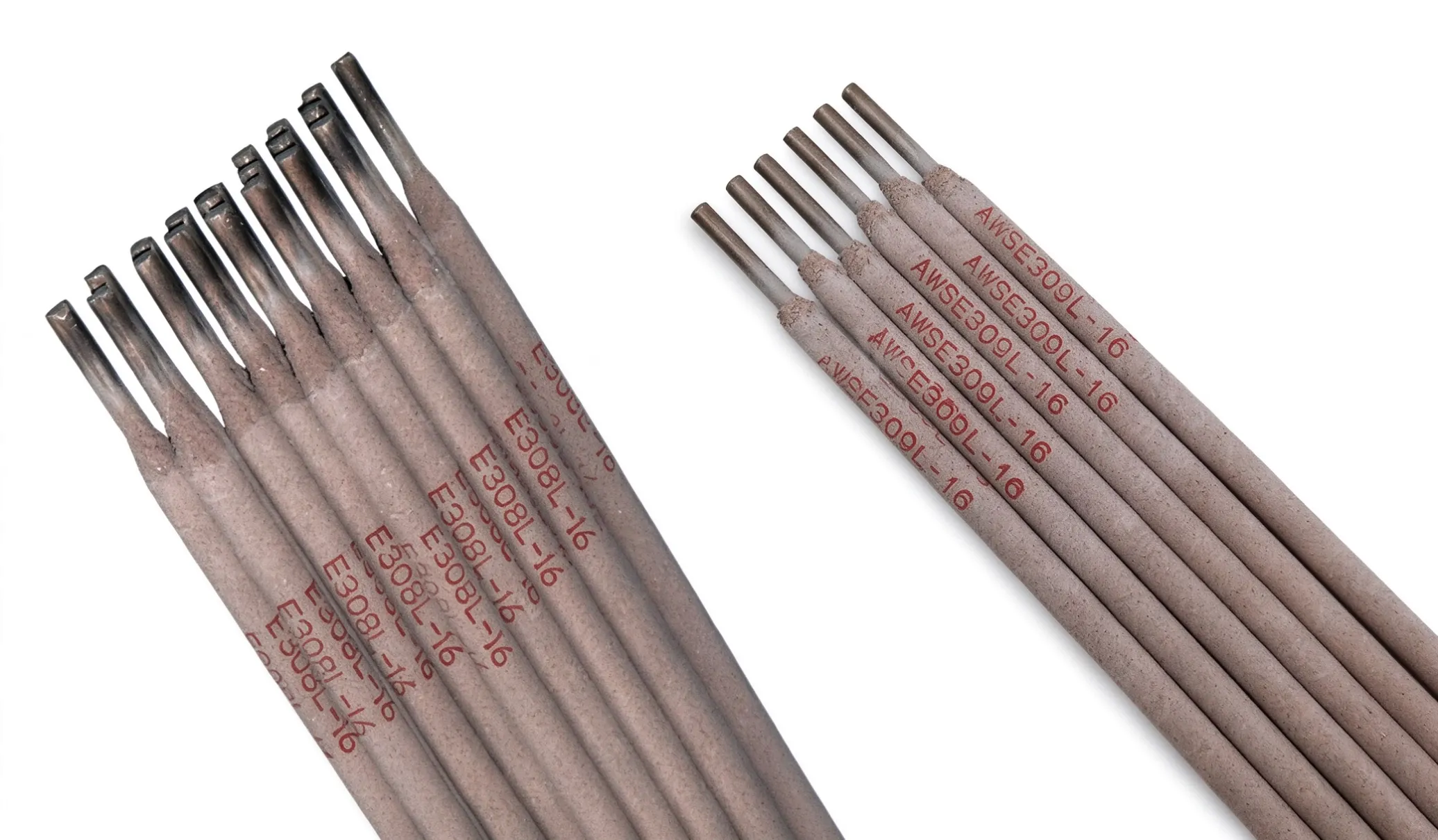
Choosing between E309L-16 and E308L welding electrodes? Compare their typical applications, avoid common selection mistakes, and check the required classification before ordering.
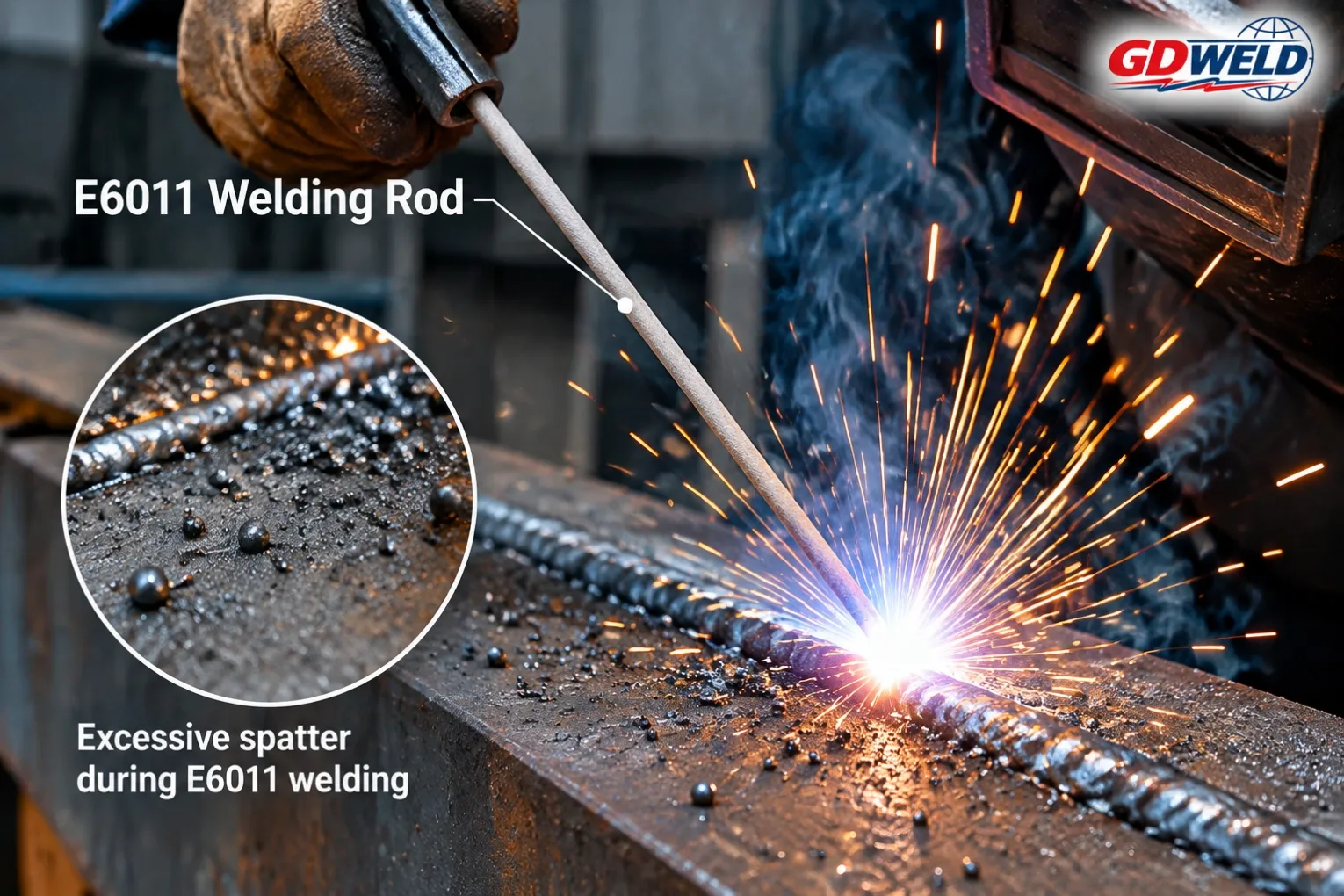
Is your E6011 welding rod producing excessive spatter? Learn how to check welding current, arc length, electrode angle, technique and surface contamination.
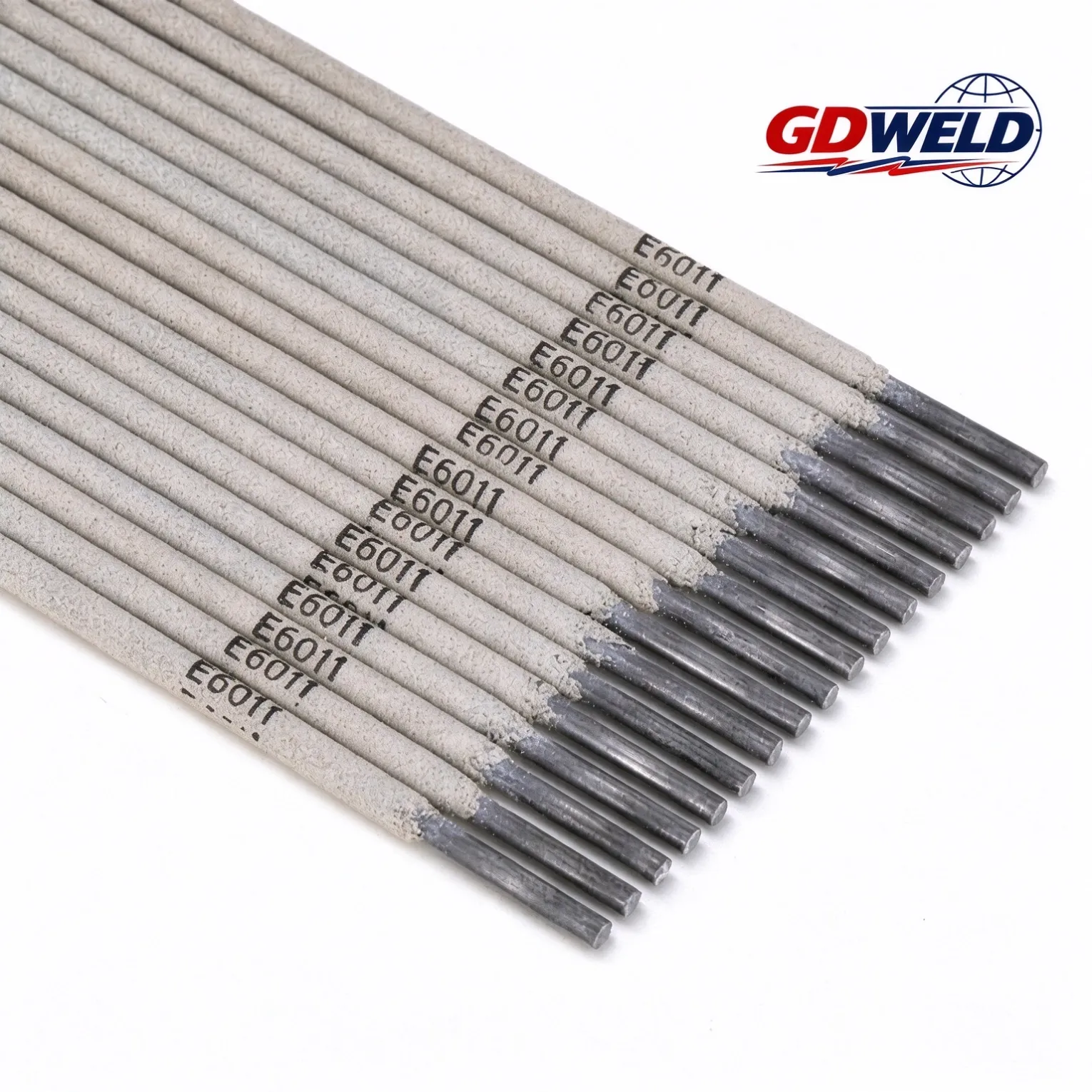
What is E6011 welding rod used for? Learn its common applications, AC/DC+ compatibility, rust tolerance, welding limitations and key checks before buying.
Recommended products
Popular pieces selected to support the routines, repairs, and ideas featured in our journal.
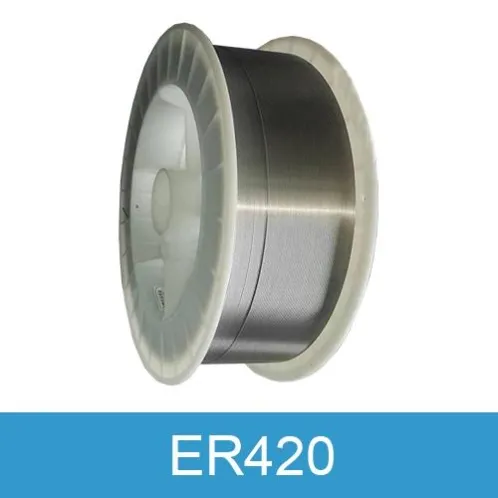
ER420 is a high-carbon 13% chromium martensitic stainless steel solid welding wire and hardfacing filler metal classified under AWS A5.9. With higher carbon content than ER410, it delivers superior weld-metal hardness and abrasion resistance, making it ideal for welding matching 420 stainless steel and repairing or surfacing wear-resistant components.
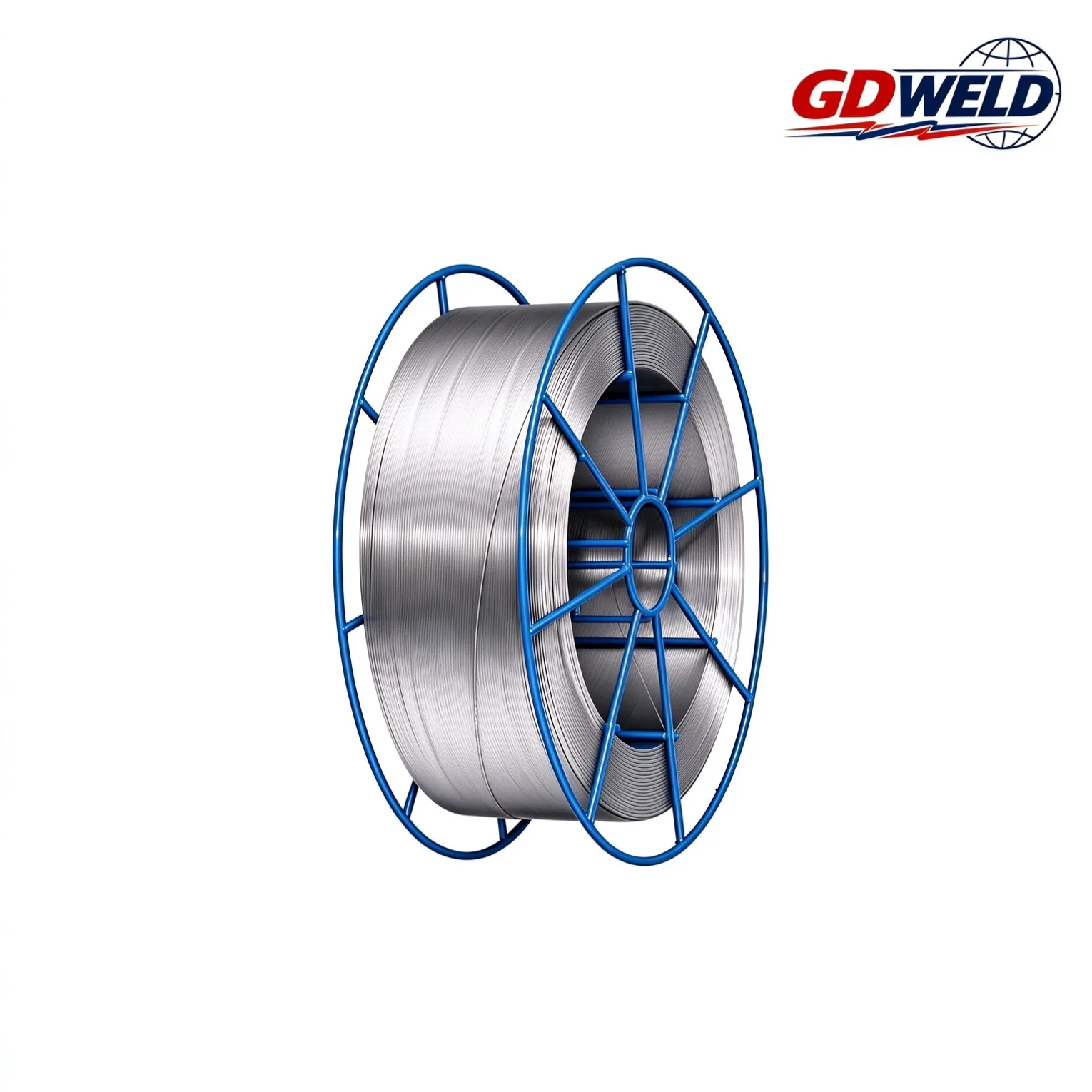
ER309LMo (S309LMo) is a molybdenum-alloyed chromium-nickel stainless steel welding wire. Its higher molybdenum content distinguishes it from conventional ER309L and makes it suitable for applications where a Mo-containing filler metal is specified. GD WELD offers ER309LMo welding wire in 0.8, 1.0, 1.2, 1.6, 2.0, 2.4 and 3.2 mm diameters. The supplied 1.2 mm material certificate reports 23.18% chromium, 13.86% nickel, 2.12% molybdenum and 620 MPa deposited weld metal tensile strength.
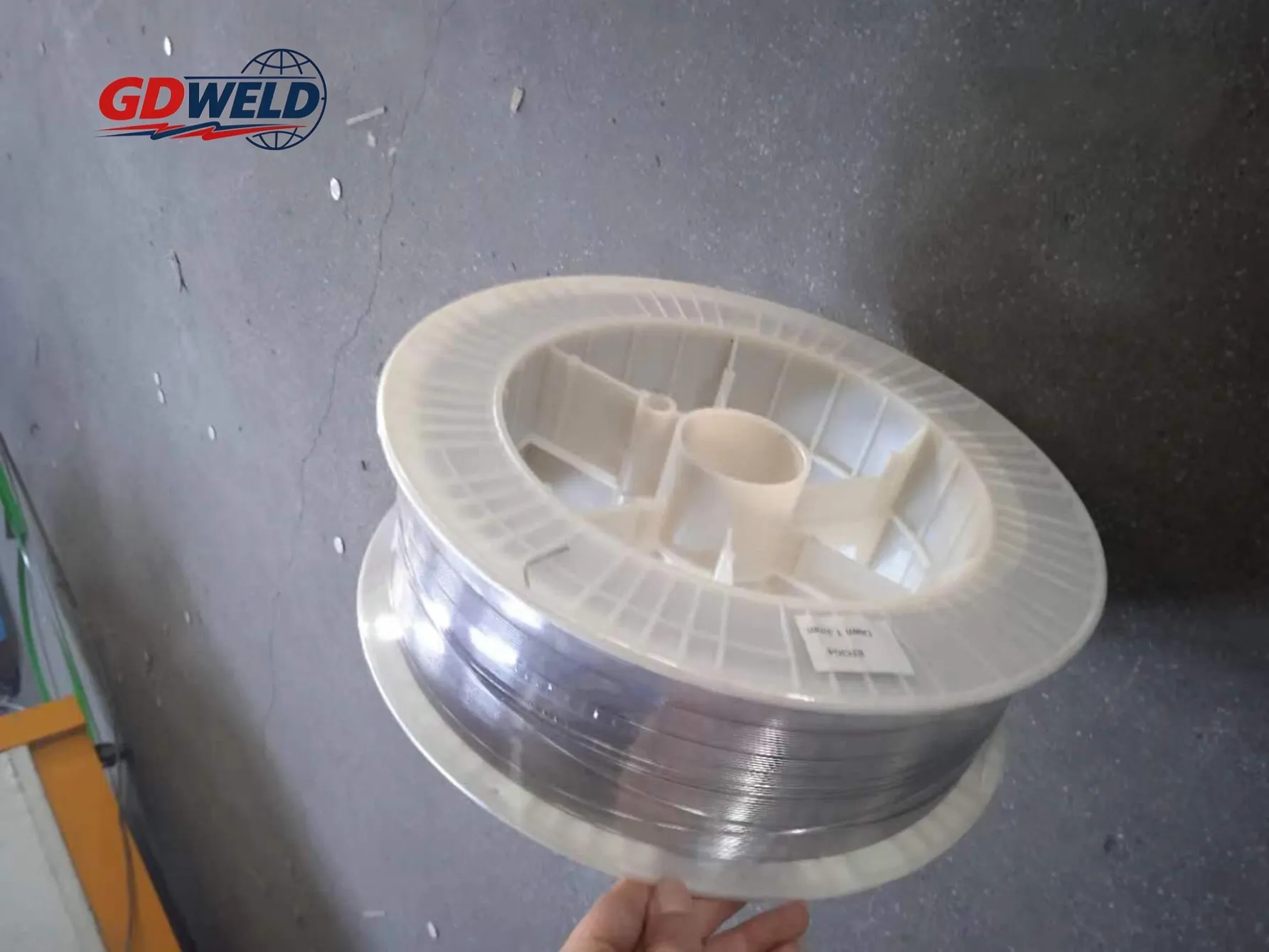
ER410NiMo is a chromium-nickel-molybdenum stainless steel welding wire designation listed in AWS A5.9-2022. The supplied material certificate also identifies the product as H05Cr12Ni4Mo. GD WELD supplies this welding wire in a tested diameter of 1.2 mm. Its material certificate reports 12.27% chromium, 4.72% nickel, 0.49% molybdenum and a deposited weld metal tensile strength of 800 MPa.