Can I Substitute One AWS Welding Wire for Another? What Should I Check?
Can you replace one AWS welding wire with another? Check classification, base material, mechanical properties and welding procedure requirements before approving a substitute.
Technical Blog
Practical guides for selecting welding consumables, understanding AWS classifications and solving material-specific welding challenges.
Can you replace one AWS welding wire with another? Check classification, base material, mechanical properties and welding procedure requirements before approving a substitute.
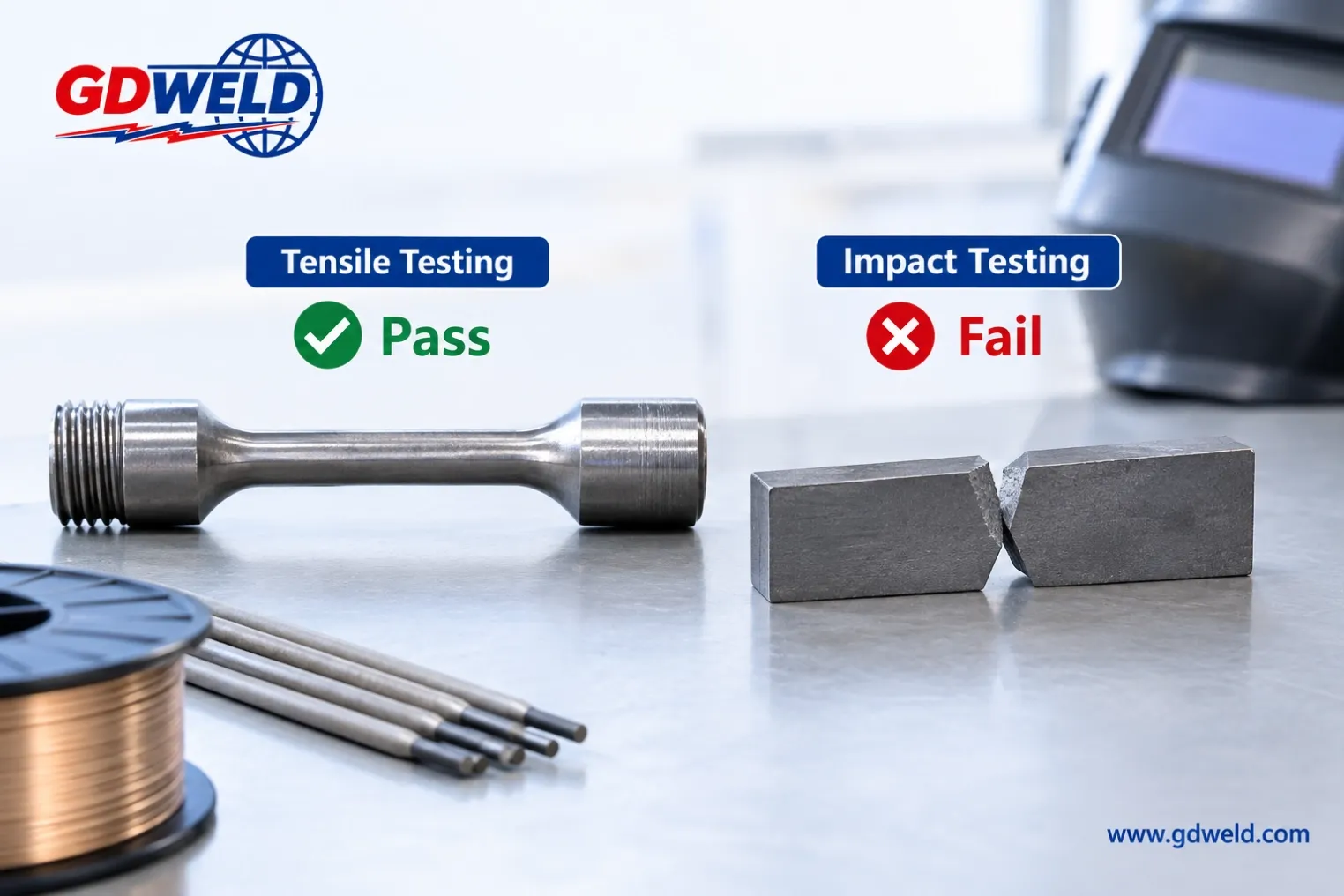
Why does a low-temperature weld pass tensile test but fail the Charpy impact test? Learn how welding wire selection, weld toughness and temperature affect low-temperature steel welding performance.
Can ER80S-Ni2 replace ER80S-Ni1 for low-temperature steel welding? Understand the differences in nickel content, toughness requirements and filler metal selection before substitution.
Why does a high-strength weld have good tensile strength but poor ductility? Learn how to check weld metal properties, hardness, welding conditions and filler metal selection .
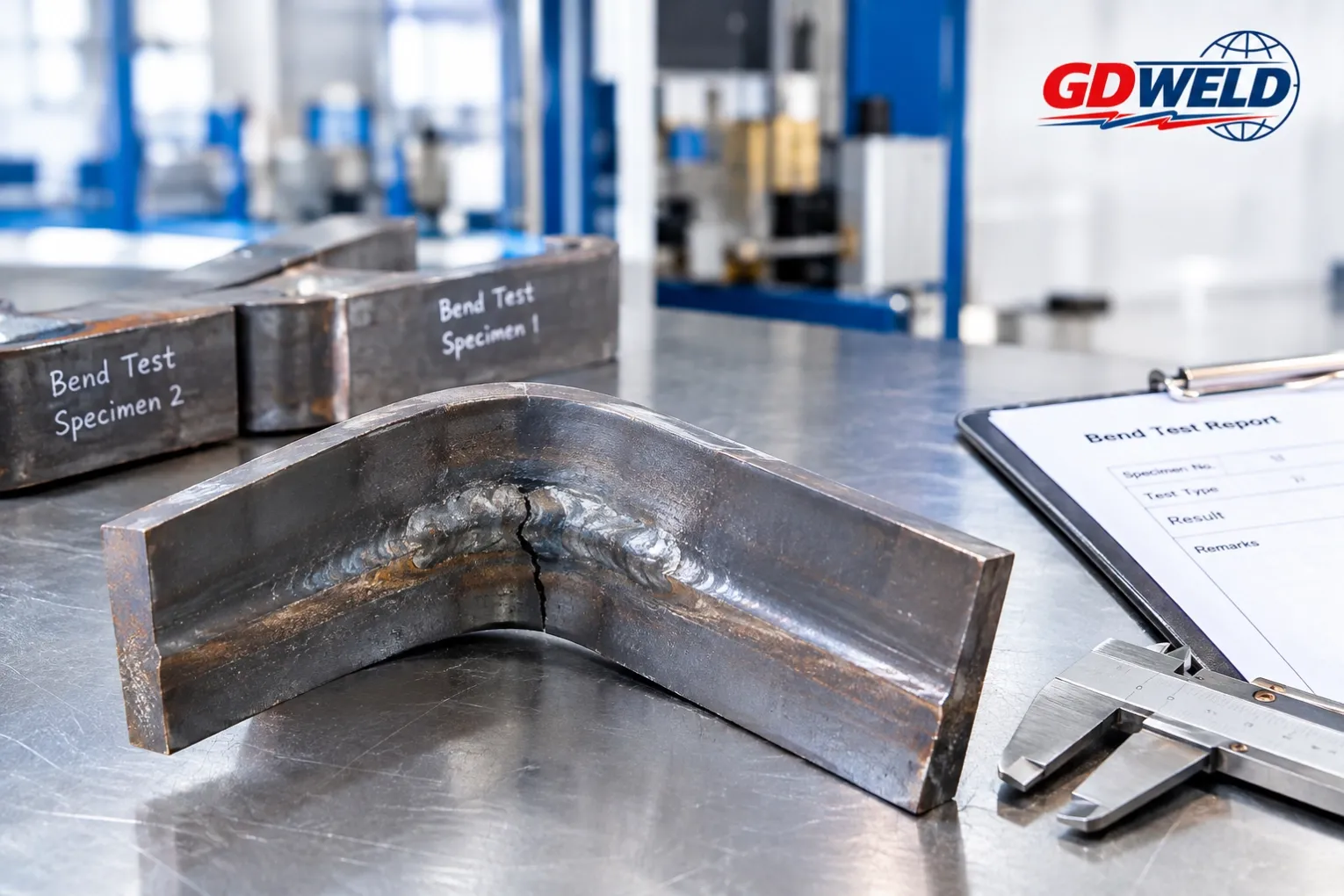
Why does a high-strength weld fail bend testing? Learn how to interpret face, root and side bend results, identify possible defects and check specimen preparation before changing welding consumables.
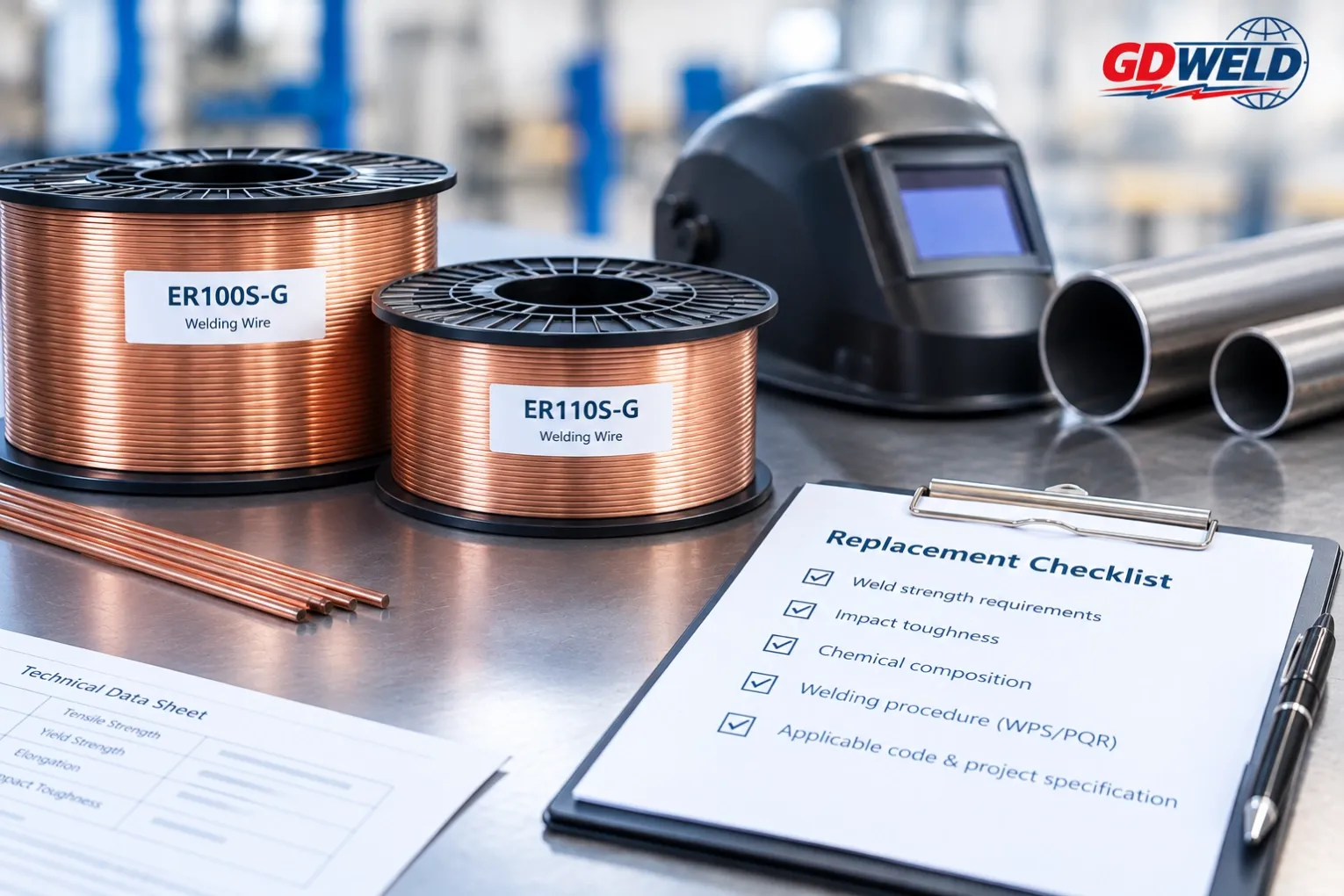
Can ER100S-G replace ER110S-G? Check required weld strength, product test data and WPS/PQR requirements before substituting high-strength welding wire.
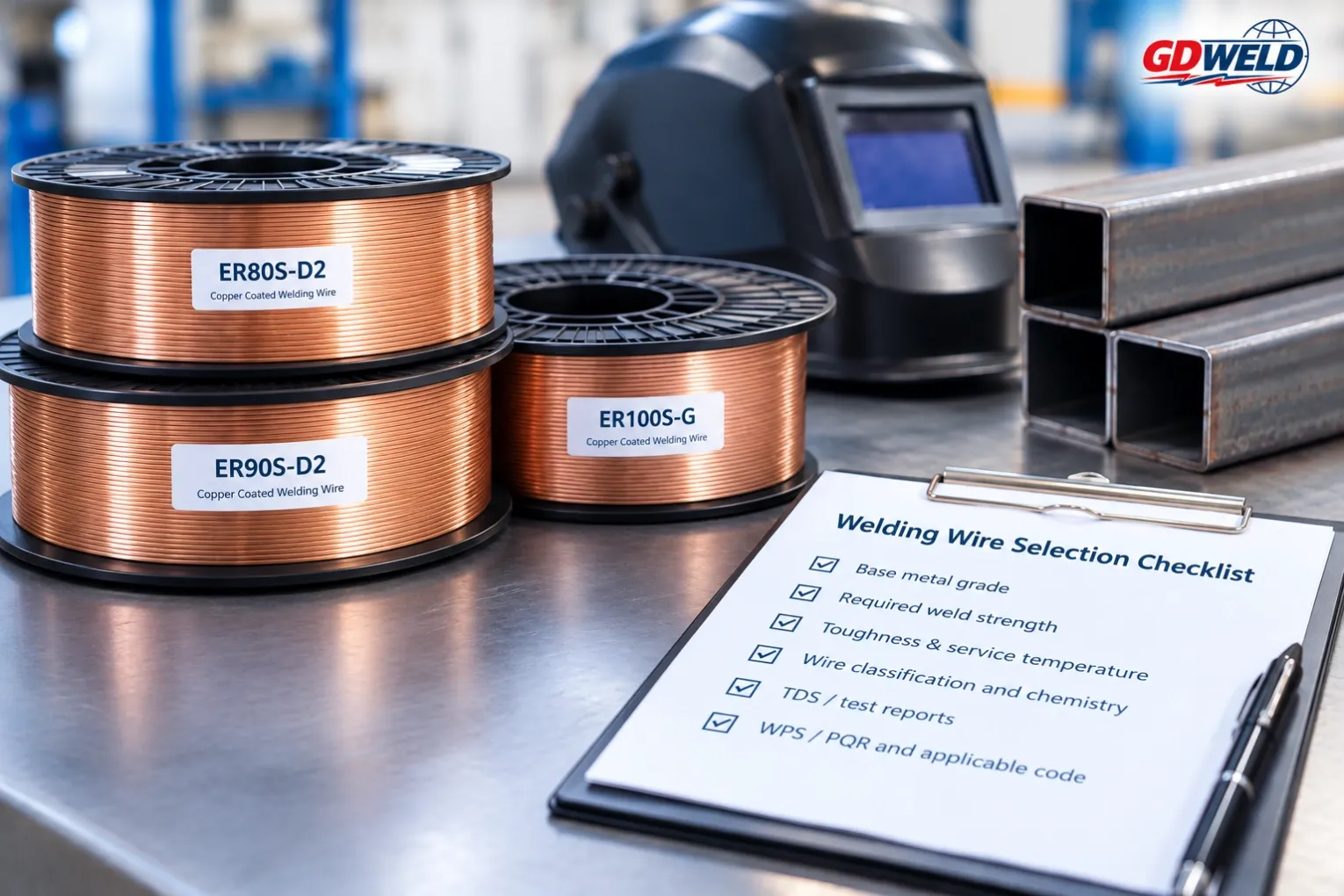
Is higher-strength welding wire always better for high-strength steel? What should you check before upgrading filler metal?
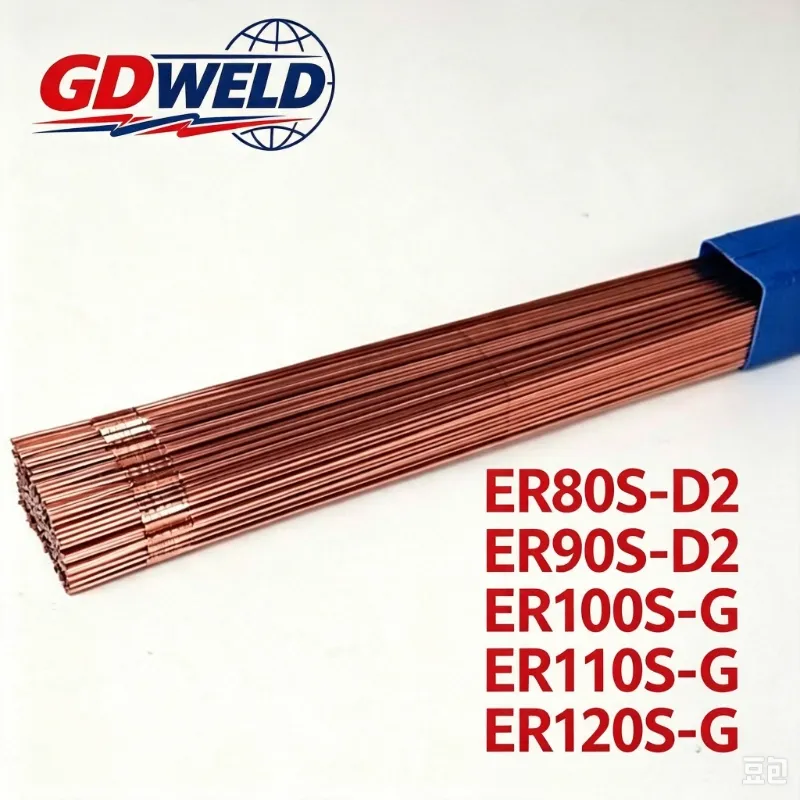
Which welding wire should you choose—ER80S-D2, ER90S-D2, ER100S-G or ER110S-G? Compare strength, toughness and application requirements before selecting the right grade.
Can ER80S-D2 be used for high-strength steel? What should you check first—base-metal strength, toughness, AWS classification, WPS/PQR, or application requirements?
Can ER70S-6 be used for P22 steel? Learn why ER70S-6 is not normally recommended and what to check before using it for P22 welding.
Recommended products
Popular pieces selected to support the routines, repairs, and ideas featured in our journal.
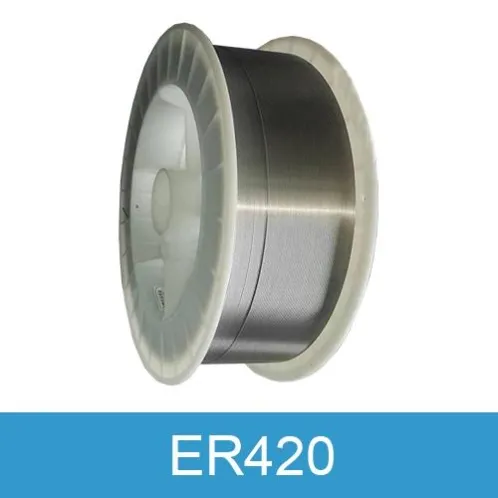
ER420 is a high-carbon 13% chromium martensitic stainless steel solid welding wire and hardfacing filler metal classified under AWS A5.9. With higher carbon content than ER410, it delivers superior weld-metal hardness and abrasion resistance, making it ideal for welding matching 420 stainless steel and repairing or surfacing wear-resistant components.
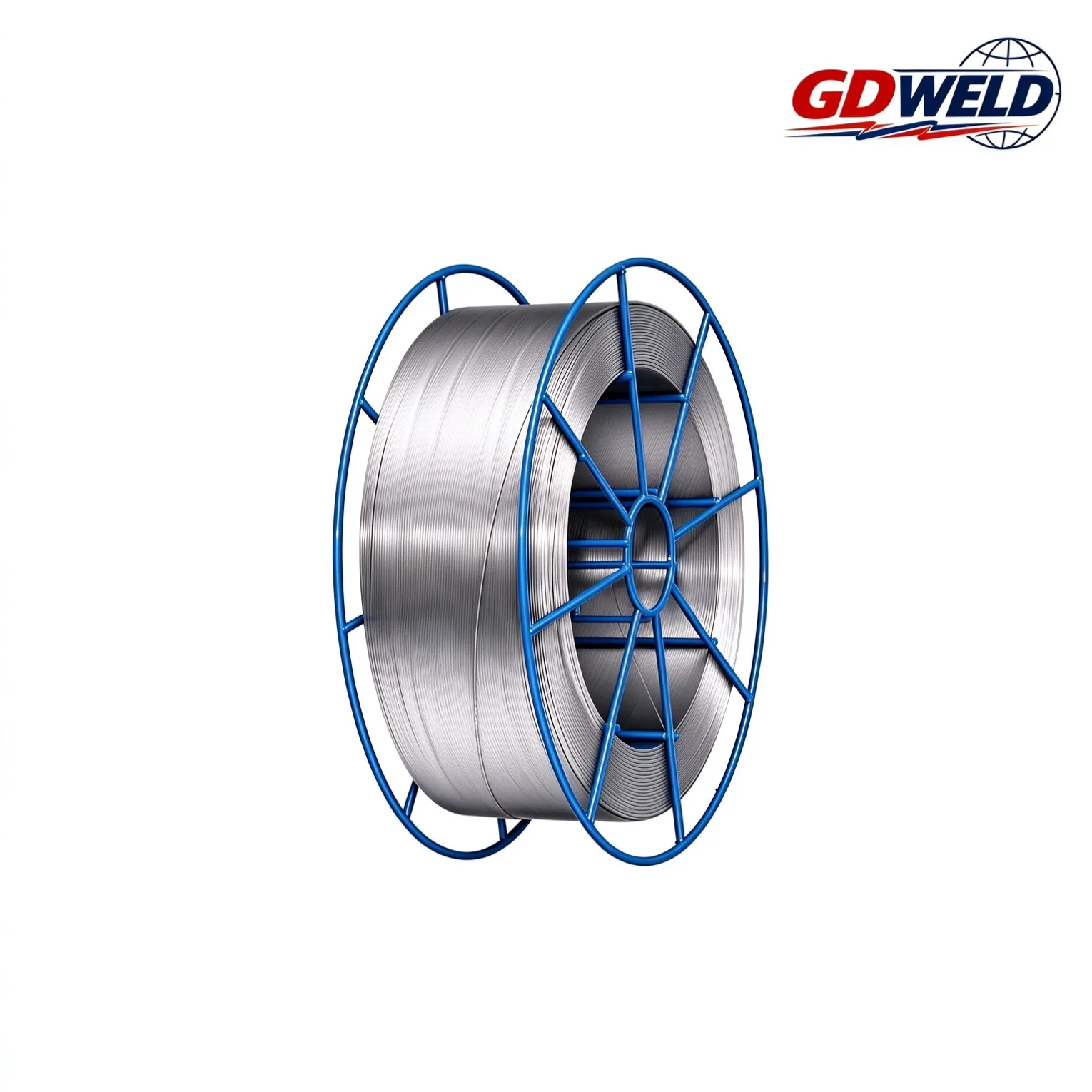
ER309LMo (S309LMo) is a molybdenum-alloyed chromium-nickel stainless steel welding wire. Its higher molybdenum content distinguishes it from conventional ER309L and makes it suitable for applications where a Mo-containing filler metal is specified. GD WELD offers ER309LMo welding wire in 0.8, 1.0, 1.2, 1.6, 2.0, 2.4 and 3.2 mm diameters. The supplied 1.2 mm material certificate reports 23.18% chromium, 13.86% nickel, 2.12% molybdenum and 620 MPa deposited weld metal tensile strength.
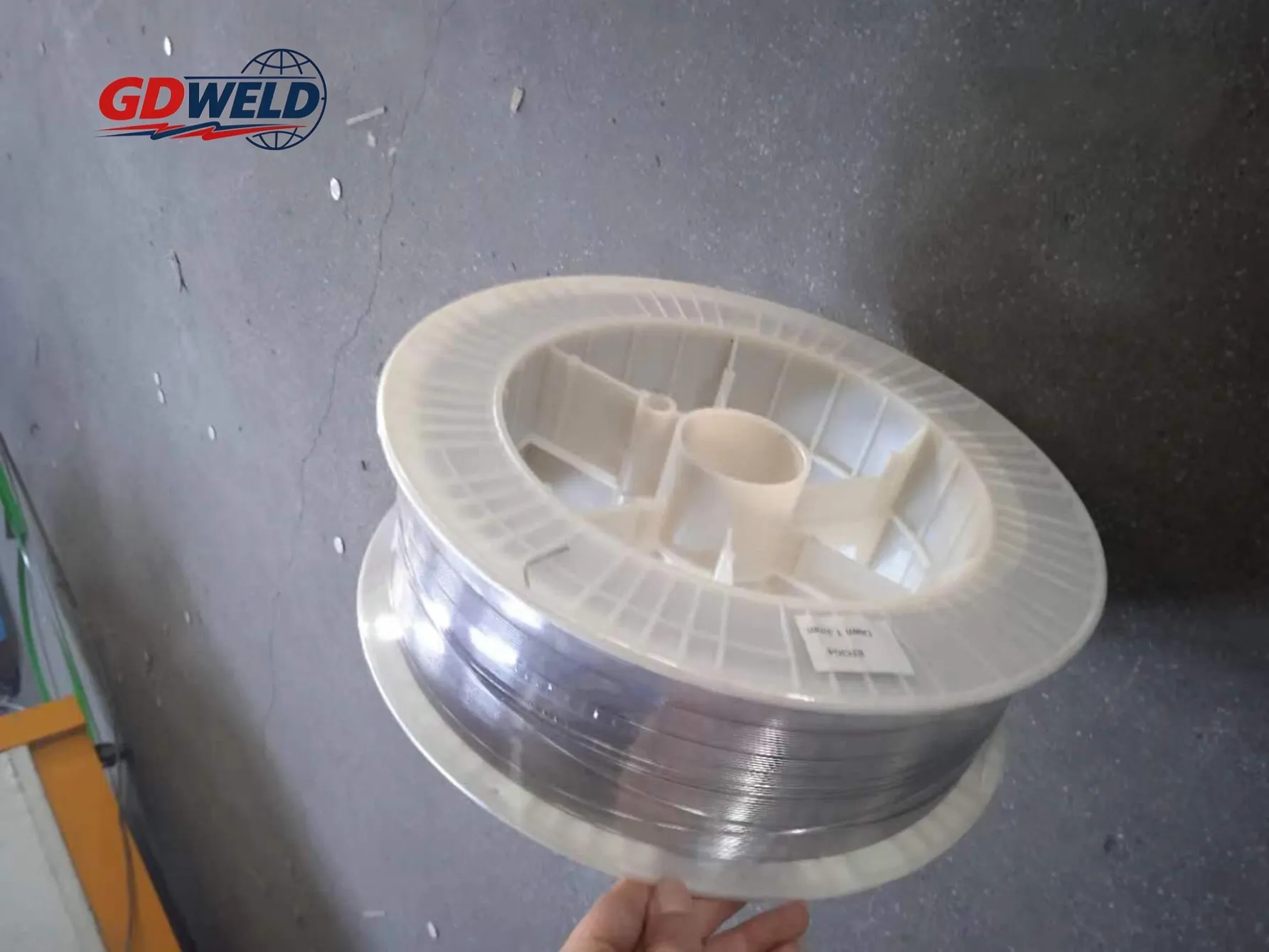
ER410NiMo is a chromium-nickel-molybdenum stainless steel welding wire designation listed in AWS A5.9-2022. The supplied material certificate also identifies the product as H05Cr12Ni4Mo. GD WELD supplies this welding wire in a tested diameter of 1.2 mm. Its material certificate reports 12.27% chromium, 4.72% nickel, 0.49% molybdenum and a deposited weld metal tensile strength of 800 MPa.